
Casting director Karan Mally says instinct, not just auditions and resumes, plays the biggest role in finding the perfect actor or reality show contestant
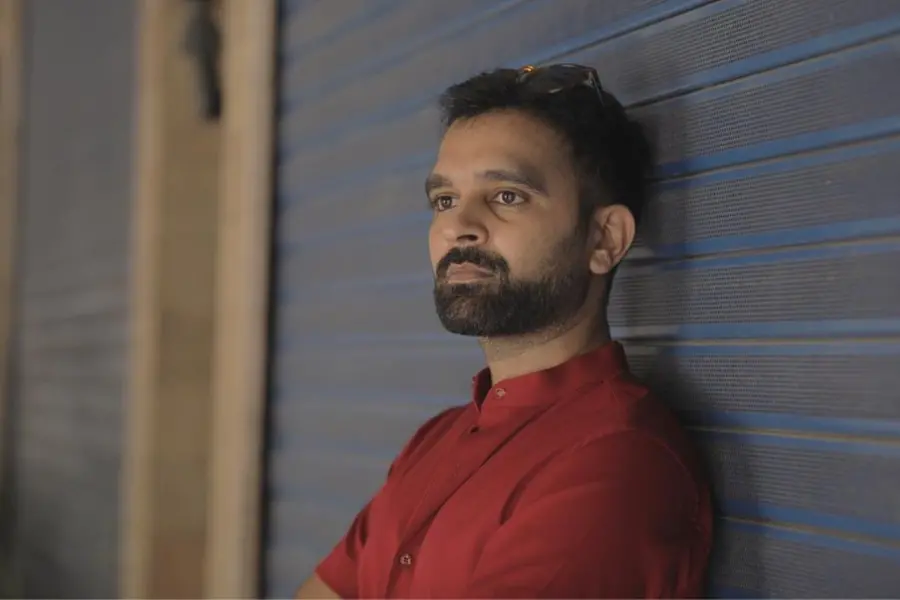
Casting is one of the least visible yet most influential aspects of a film, a web series, or a reality show. While audiences remember the actors who bring characters to life, the process of finding the right performer or, in the case of reality shows, the right personality, begins long before the cameras start rolling. It is a creative process driven by preparation, instinct and an understanding of human behaviour, whether the goal is to build a believable fictional world or an engaging unscripted format.
Mathrubhumi English spoke to casting director Karan Mally, whose credits include ‘Made In Heaven’, ‘Ba***ds of Bollywood’, and, more recently, ‘Musafir Cafe’ and the upcoming ‘Traitors 2’, among several other projects.
Having recently joined the Academy as a member of its Global Film Community, Karan reflected on what goes into finding the right talent, how casting differs between fiction and reality, whether social media influences casting decisions, the growing international recognition for Indian casting directors, and why instinct remains at the heart of the profession.
Casting is often described as “finding the right actor”. But is it actually more about finding the right human being? At what point does instinct take over from resumes and auditions?
It’s a combination of everything. Auditions, experience, and preparation get you to the final stage, but instinct usually makes the final decision. At some point, you stop asking whether someone can play the role and start feeling that they are the character. That’s difficult to explain, but it’s something every casting director experiences.
You work across scripted projects like ‘Musafir Cafe’ and unscripted shows like ‘Traitors 2’. In one, people have to become someone else; in the other, they have to reveal who they really are. Which is harder to cast, and why?
They’re equally challenging, just in very different ways. In fiction, you’re looking for actors who can disappear into a character. In reality, you’re looking for people who are fascinating as themselves while also fitting the format you’re creating. Both require understanding human behaviour, one through performance, the other through personality.
For ‘Traitors 2’, what were you looking for beyond celebrity value? Were you casting personalities, psychologists’ case studies, or simply good storytellers?
We were looking for people who could genuinely play the game. ‘The Traitors’ isn’t a personality contest; it’s a strategy game. Intelligence, emotional awareness, adaptability, and the ability to think under pressure mattered far more than fame.
Reality shows thrive on unpredictability. Have there been contestants you were convinced would dominate the game, only to surprise you completely once the cameras rolled?
All the time, and sometimes the opposite happens too. That’s the beauty of a format like ‘The Traitors’. You can’t script great reality. You cast the right people, build the right format and then let human nature take over. That’s where the most compelling moments come from.
‘Musafir Cafe’ is built on emotional chemistry. Can chemistry actually be identified in an audition room, or is there always an element of faith involved?
Chemistry ultimately comes from the actors’ craft. It’s their conviction, honesty, and ability to be completely present in a moment that makes us believe a relationship. Two actors can be best friends in real life and have no chemistry on screen, while complete strangers can create something magical.
Social media has made faces instantly familiar. Has that changed what “fresh casting” means today?
I think talent has become more valuable than familiarity. Audiences today are far more accepting of actors who aren’t necessarily famous, as long as they fit the part and deliver a truthful performance. At the same time, social media has opened up an entirely new talent pool for casting directors to discover. On ‘Musafir Cafe’, casting fresh faces like Vedika Pinto and Mahima Makwana helped bring freshness and authenticity to the love story. Ultimately, it’s never about how familiar a face is; it’s about whether the audience believes the character.
The ‘Ba***ds of Bollywood’ is a show about an industry obsessed with image. When you’re casting actors to play people from that world, how do you stop audiences from seeing gossip instead of characters?
I’m not sure I’d describe it only as a story about image. But to answer your question, the idea was always to build a believable world rather than recreate gossip. We consciously looked for a fresh cast of actors who could disappear into the story. When the casting feels truthful, audiences stop looking for references and start believing the characters.
Casting directors often discover actors long before the industry celebrates them. Has there been an actor you fought particularly hard for because you saw something others didn’t?
Many. More recently, on ‘Musafir Cafe’, we cast relatively fresh faces like Vedika Pinto and Mahima Makwana in key roles because we truly believed they were the characters. Earlier, when I was partners with Nandini Shrikent, we cast Arjun Mathur in ‘Made in Heaven’, among many others. Those are always the most satisfying decisions because you get to see audiences connect with the performance rather than the familiarity of the face.
What’s the biggest misconception actors have about auditions? Is there something they keep trying to impress you with that you actually don’t care about?
(Laughs) Festival greetings! Ganpati, Independence Day, Diwali… I think we can all do without those messages. What really matters is your work. A good audition will always leave a stronger impression than a hundred greetings.
Have you ever passed on an exceptionally talented actor simply because they were right for the role on paper, but wrong for the world you were trying to build?
Absolutely. I don’t like the word “reject” because we’re not rejecting an actor; we’re choosing the actor who best serves that particular story. Casting is a creative process of exploration. Sometimes someone looks perfect on paper, but once they perform the scene, you realise another actor brings the world of the film alive in a more truthful way.
You’ve now been invited to join the Academy. Does evaluating performances as an Academy member change the way you think about casting?
Honestly, not really. They’re two very different hats. As a casting director, my responsibility is still the same — to understand the director’s vision and find the best people to bring it to life. That instinct hasn’t changed.
Indian casting directors are finally receiving international recognition. Has casting become a creative department rather than just a logistical one?
It’s definitely moving in that direction, and that’s encouraging. But we still have a long way to go. Casting directors are among the first people to come on to a project and, quite often, among the first to be forgotten. Thankfully, that perception is changing, and our creative contribution is finally getting the recognition it deserves.
Streaming has opened Indian actors to global audiences. Has that changed the way you search for talent?
Not significantly. We still cast for the story that’s being told. Every project has its own world, and our job is to find the people who belong in that world. The global reach is exciting, but the casting process itself remains rooted in the script and the director’s vision.
If tomorrow a filmmaker asked you to cast an entire project with complete newcomers, where would you begin looking?
Everywhere. I’d begin with our database, where we receive thousands of emails from aspiring actors. Then I’d look at theatre, acting schools, social media, YouTube, and put out casting calls if required. Talent isn’t confined to one platform anymore, and that’s what makes casting so exciting today.
After everything you’ve cast, what’s one quality that still surprises you every time you see it in an audition? The one thing that makes you instantly think, “This person belongs on screen.”
Ease. Truth. Charm. When an actor stops performing and simply starts living the scene, you forget you’re watching an audition. That’s incredibly rare, and it’s the moment you instantly know they belong on screen.
When your career is looked back on years from now, what would you want to be remembered for: discovering stars, creating unforgettable ensembles, or changing the way people think about casting?
More than discovering stars or casting successful projects, I’d like to be remembered for making this profession a more loving place to be a part of. One of the biggest lessons ‘Musafir Cafe’ gave me was that when people work with love, trust, and passion, it reflects in every frame. That’s the kind of work and environment I hope to leave behind.
Published: 03 Aug 2026, 04:19 pm IST
Related Topics
Disclaimer: Kindly avoid objectionable, derogatory, unlawful and lewd comments, while responding to reports. Such comments are punishable under cyber laws. Please keep away from personal attacks. The opinions expressed here are the personal opinions of readers and not that of Mathrubhumi.
