
The upcoming story will focus on Connie Corleone, offering a rare female-led perspective inside the iconic mafia dynasty
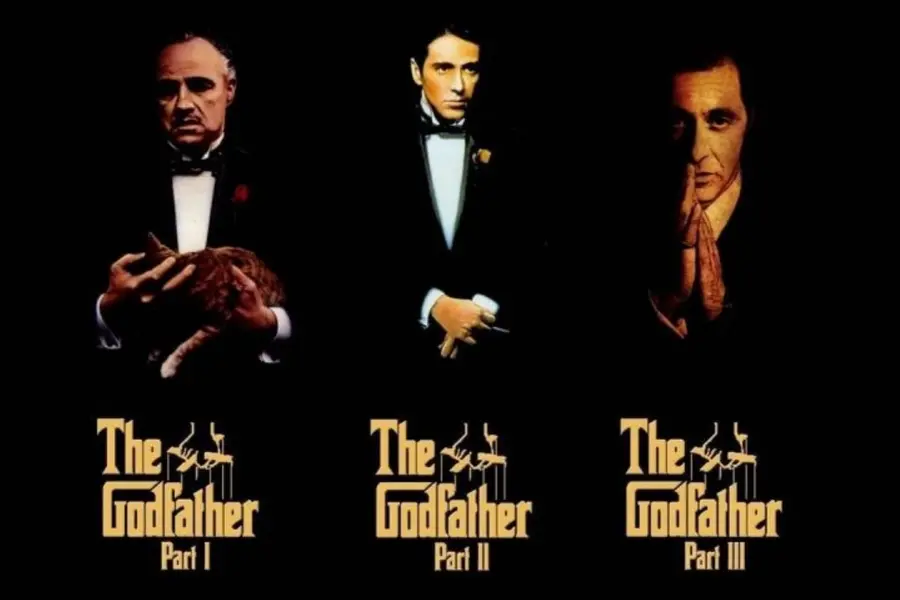
More than five decades after The Godfather first transformed crime storytelling in literature and cinema, the iconic Corleone family is set to return with a new chapter centred on one of its most overlooked characters. Paramount Pictures has reportedly secured the film rights to Connie, an upcoming sequel novel that will revisit the legendary mafia dynasty through the perspective of Connie Corleone, daughter of Don Vito Corleone.
The project marks a major expansion of The Godfather universe and is already generating intense discussion among fans of the franchise, particularly because it promises a rare female-led narrative within the traditionally male-dominated world of organised crime.
According to a report by The Hollywood Reporter, Paramount Pictures has acquired the film rights to Connie, a forthcoming sequel novel officially authorised by the estate of legendary author Mario Puzo.
The book is being written by bestselling Italian-American novelist Adriana Trigiani and is scheduled for release in 2027.
The report also noted that Random House secured publishing rights to the novel following an intense eight-way bidding war, underlining the continued global interest surrounding The Godfather franchise.
Connie Corleone to take centre stage in new story
What has particularly intrigued fans is the direction of the new narrative.
The upcoming novel is expected to revisit the Corleone family saga through Connie Corleone’s perspective, offering readers a female viewpoint from inside the notoriously patriarchal mafia structure that defined the original story.
Connie, who appeared throughout the original trilogy, was portrayed as the daughter of crime boss Don Vito Corleone and sister to Michael Corleone. While her character played a significant emotional role in the films, the broader saga largely focused on male power struggles within the criminal underworld.
The new novel is expected to shift that dynamic substantially.
Longstanding rights battle surrounding ‘The Godfather’
The legal and ownership history surrounding The Godfather franchise has long been complex.
When Paramount Pictures originally purchased the screen rights to Puzo’s 1969 novel, the studio secured ownership over future screen adaptations connected to the franchise.
Following Puzo’s death in 1999, his heirs published two additional novels linked to the Corleone universe despite objections from Paramount, eventually leading to a legal dispute between the parties.
The matter was later settled, allowing the Puzo family to continue publishing new books tied to the franchise, provided Paramount retained first rights to adapt them for film.
The possibility of a fourth Godfather film has already sparked widespread speculation online.
However, longtime franchise director Francis Ford Coppola is unlikely to return to helm a continuation centred on Connie Corleone.
A representative for Coppola reportedly told Rambling that it is “unlikely” the 87-year-old filmmaker would direct a female-led extension of the saga.
Coppola’s association with The Godfather remains one of the defining collaborations in cinema history, with the filmmaker widely credited for shaping the tone and artistic legacy of the trilogy.
How ‘The Godfather’ became a cultural landmark
Originally published in 1969, The Godfather quickly became a cultural phenomenon.
The novel chronicled the rise and influence of the fictional Corleone crime family alongside the Five Families operating in post-war New York, blending themes of power, loyalty, violence and family honour.
Its 1972 film adaptation, The Godfather, directed by Coppola and starring Marlon Brando as Don Vito Corleone, went on to redefine gangster cinema for generations.
The film also helped elevate the careers of actors including Al Pacino, James Caan, Robert Duvall, Diane Keaton and John Cazale.
Oscar success and lasting legacy of the trilogy
The 1972 classic won three Academy Awards from 11 nominations and continues to be regarded as one of the greatest films ever made.
Its sequel, The Godfather Part II, released in 1974, achieved similar acclaim and secured six Oscars.
The film also introduced audiences to a young Robert De Niro as the younger Vito Corleone, a performance that earned him an Academy Award.
Although The Godfather Part III received a more divided critical response upon its release in 1990, the film has gradually developed a loyal cult following over the years.
Published: 22 May 2026, 05:32 pm IST
Related Topics
Disclaimer: Kindly avoid objectionable, derogatory, unlawful and lewd comments, while responding to reports. Such comments are punishable under cyber laws. Please keep away from personal attacks. The opinions expressed here are the personal opinions of readers and not that of Mathrubhumi.
