
Music maestro AR Rahman landed in the middle of an online controversy after claims that he declined to sing patriotic songs during an interview sparked outrage. Singer Chinmayi Sripada has now stepped in, firmly defending Rahman and calling out what she describes as selective outrage.
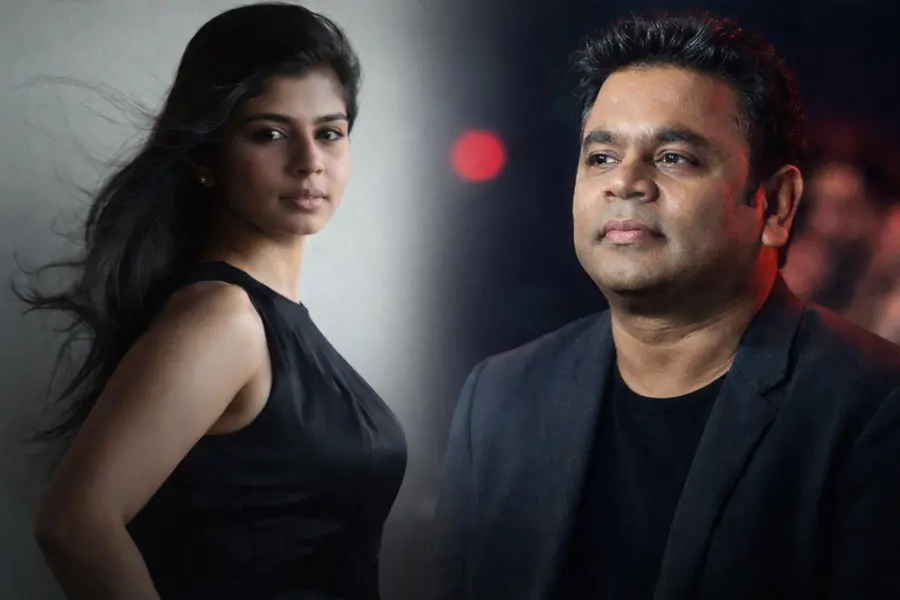
Music legend AR Rahman recently became the unexpected focal point of a social media storm after a journalist claimed to be “hurt” when the composer allegedly declined to sing ‘Vande Mataram’ or ‘Maa Tujhe Salaam’ during an interview.
The claim quickly gained traction online, with sections of social media questioning Rahman’s intent and patriotism.
Also Read

As the debate intensified, singer Chinmayi Sripada took to X (formerly Twitter) to firmly counter the narrative, drawing from her own professional experience with the composer.
Sripada reminded netizens that Rahman has sung ‘Vande Mataram’ multiple times in public settings, including a notable performance on November 23, 2025, in Pune during the RK Laxman Memorial Award concert, where the audience reportedly joined in chanting the song.
She further pointed out that ‘Maa Tujhe Salaam’ is a staple at Rahman’s concerts, stressing that anyone who has attended his live performances would know this.
Also read: Javed Akhtar dismisses ‘communal angle’ in AR Rahman’s declining Hindi film work
She suggested that the composer may simply not have felt vocally prepared or emotionally inclined to sing during that particular interview — a choice she described as entirely valid.
Calling out online reactions, she highlighted how isolated moments are often taken out of context and amplified to fit preconceived narratives.
The controversy gained additional momentum following Rahman’s remarks in an interview with BBC Asian Network, where he spoke about a perceived slowdown in Hindi film industry work.
Rahman attributed this shift to changing power dynamics over the past eight years and hinted that it could be “a communal thing,” comments that drew sharp reactions across social platforms.
Responding to the criticism, Rahman later released a video clarifying his stance. He emphasised that India has always been central to his life and creative journey, reiterating that he never intended to hurt anyone’s sentiments. For the composer, music remains his primary language of expression and unity.
As voices from within the industry and fans rallied in his support, the episode reignited conversations about online outrage culture, artistic freedom, and the dangers of reading intent into fleeting moments — especially when it comes to an artist whose body of work has long celebrated the spirit of the nation.
Published: 19 Jan 2026, 09:27 am IST
Related Topics
Disclaimer: Kindly avoid objectionable, derogatory, unlawful and lewd comments, while responding to reports. Such comments are punishable under cyber laws. Please keep away from personal attacks. The opinions expressed here are the personal opinions of readers and not that of Mathrubhumi.