
From preventing birth defects to supporting healthy pregnancies, here’s why folic acid is essential for women even before conception
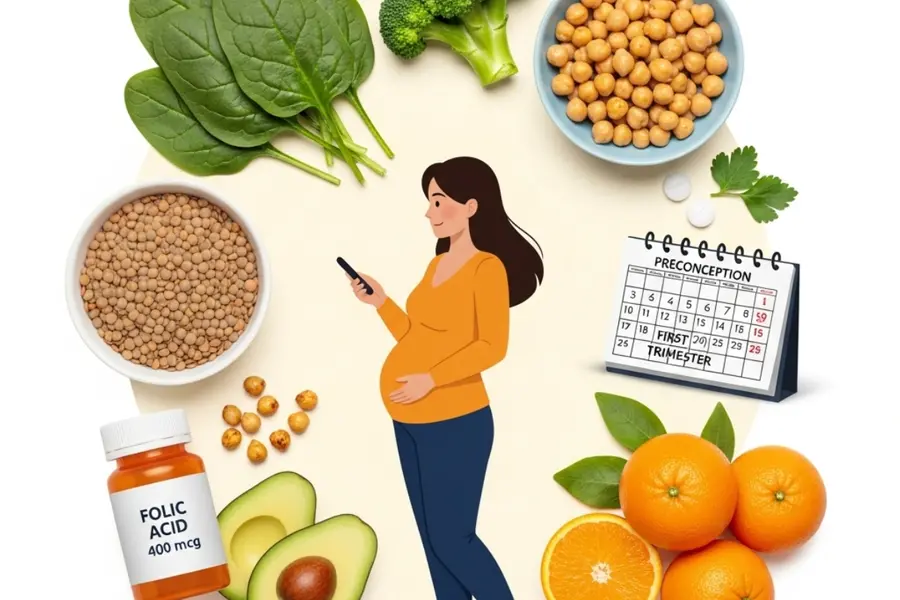
Often discussed only during pregnancy, folic acid plays a much bigger role in everyday health than many realise. As Folic Acid Awareness Week highlights its importance, health experts stress that understanding this essential nutrient early can make a lifelong difference, especially for women of reproductive age.
From supporting cell growth to preventing serious birth defects, folic acid is a quiet yet powerful contributor to overall wellbeing.
Also Read

Why Folic Acid Matters Even Before Pregnancy
Health experts stress that folic acid is not just for expectant mothers. Adequate intake supports healthy ovulation, improves egg quality, and reduces the risk of early pregnancy complications such as miscarriage or preterm birth. Since the neural tube – the precursor to the baby’s brain and spinal cord – develops within the first month of pregnancy, getting folic acid in time can prevent serious birth defects like spina bifida and anencephaly.
What Is Folic Acid and Why Is It Important?
Folic acid is the synthetic form of folate, also known as vitamin B9. It is crucial for:
- Cell growth
- DNA synthesis
- Production of red blood cells
During pregnancy, adequate folic acid intake helps prevent neural tube defects, which affect the baby’s brain and spine. Since these defects can develop very early, often before a woman knows she is pregnant, early awareness and intake are considered vital.
Signs of Folic Acid Deficiency to Watch Out For
Symptoms of folic acid deficiency include:
- Megaloblastic anaemia (red blood cells become unusually large and less effective at carrying oxygen)
- Swollen or sore tongue
- Mood changes
- Difficulty with memory or concentration
- In pregnant women, untreated deficiency can lead to serious birth defects in the newborn.
Why Folic Acid Is Crucial Before and During Pregnancy
Health experts emphasise that folic acid is a key nutritional factor influencing pregnancy outcomes:
Supports correct cell division and DNA formation, essential during early fetal development
Helps prevent neural tube defects like spina bifida and anencephaly
Improves ovulation, egg quality, and lowers the risk of early pregnancy complications, including miscarriage and preterm birth
The neural tube, which later forms the brain and spinal cord, develops within the first 21–28 days after conception — often before pregnancy is confirmed. Adequate folic acid during this period is therefore essential.
Recommended Dosage and Medical Guidance
Obstetricians recommend:
- 400 micrograms daily starting at least one month before conception and continuing through the first trimester
- Higher doses only if prescribed under medical supervision
Folic acid is essential for DNA and RNA production, supporting normal cell development. Insufficient folate levels may restrict fetal growth and development.
From supporting daily cellular functions to preventing birth defects, folic acid quietly works behind the scenes to keep women healthy and ready for pregnancy. Early awareness and consistent intake can make all the difference – proving that sometimes, the smallest nutrients have the biggest impact.
Natural Food Sources of Folate
While supplements are often recommended, dietary folate also contributes to maintaining healthy levels:
- Dark leafy greens (spinach, methi, kale)
- Lentils, chickpeas, beans
- Citrus fruits (oranges, lemons)
- Avocado
- Beets
- Broccoli and asparagus
However, food alone may not always provide adequate amounts, which is why supplementation is commonly advised.
Who Should Be Especially Careful?
Folic acid is especially important for women planning pregnancy, those not using contraception, or anyone of reproductive age. Women with PCOS, diabetes, obesity, or a history of pregnancy loss should consult their doctor about supplementation. High doses should never be self-prescribed, as excess folic acid can mask vitamin B12 deficiency and delay diagnosis.
Folic acid supplementation is recommended for:
- Women planning pregnancy or not using reliable contraception
- Women of reproductive age
- Individuals with history of pregnancy loss, PCOS, diabetes, obesity, or poor dietary intake
Caution: Self-prescribing high doses of folic acid can mask vitamin B12 deficiency, potentially delaying diagnosis. Always consult a healthcare provider before taking higher doses if you have existing medical conditions.
( Disclaimer: This article is for informational purposes only and is not a substitute for professional medical advice. Always consult a qualified healthcare provider before starting any supplement, especially during pregnancy or if you have existing health conditions.)
Published: 07 Jan 2026, 10:11 pm IST
Disclaimer: Kindly avoid objectionable, derogatory, unlawful and lewd comments, while responding to reports. Such comments are punishable under cyber laws. Please keep away from personal attacks. The opinions expressed here are the personal opinions of readers and not that of Mathrubhumi.