
Blood pressure readings that appear normal at home but spike during a clinic visit are a recognised medical phenomenon known as white coat hypertension
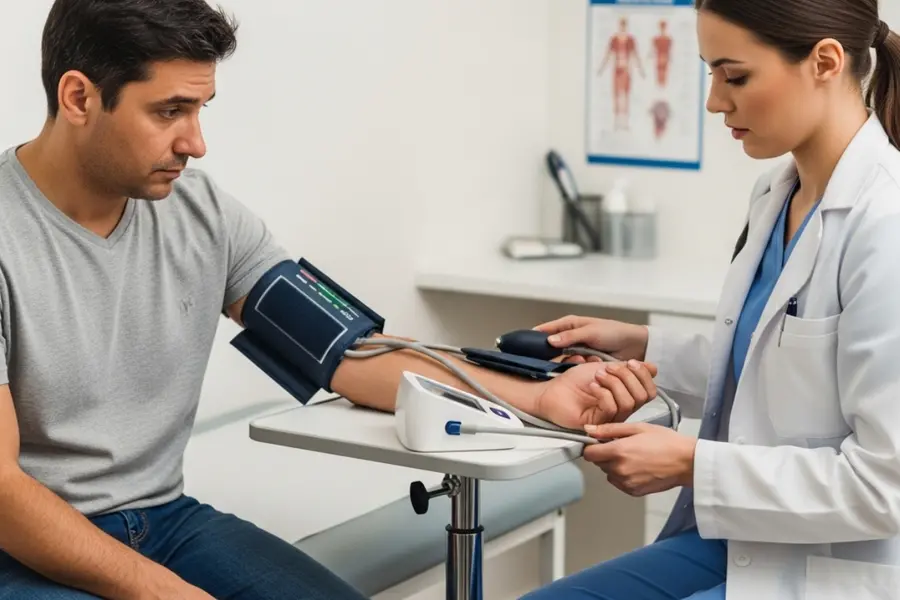
Blood pressure readings that are normal at home but elevated in a clinical setting are often linked to a well-documented phenomenon known as white coat hypertension, supported by decades of cardiovascular research.
What is white coat hypertension?
Also Read

White coat hypertension refers to a condition in which blood pressure readings are consistently higher in medical environments than in everyday settings. Large population-based studies published in journals such as Hypertension and The Lancet have shown that this occurs in a significant proportion of adults, particularly those undergoing routine health checks or medical evaluations. Researchers attribute this response to situational stress rather than underlying sustained hypertension.
Why does blood pressure rise in clinics?
Scientific evidence explains that anxiety triggers the body’s “fight-or-flight” response. This leads to the release of stress hormones such as adrenaline and cortisol, which increase heart rate and cause blood vessels to constrict. As a result, blood pressure can rise temporarily. Research has also identified practical contributors, including physical exertion just before measurement, inadequate rest, caffeine intake, nicotine use, and talking during the reading, all of which can influence systolic and diastolic values.
Is white coat hypertension harmless?
Earlier research considered white coat hypertension relatively benign. However, more recent long-term studies suggest that people with this pattern may have a higher risk of developing sustained hypertension compared to those with consistently normal readings. Some evidence also links it to early markers of cardiovascular changes, such as arterial stiffness, highlighting the importance of monitoring rather than dismissing the condition.
Why home readings often look better
At home, individuals are typically more relaxed, seated comfortably, and free from time pressure. Studies comparing clinic readings with home and ambulatory measurements show that home monitoring often provides a more accurate reflection of a person’s usual blood pressure. This is why international hypertension guidelines increasingly recommend out-of-office measurements for diagnosis and follow-up.
How can blood pressure be measured accurately?
Lifestyle and clinical research strongly support regular home blood pressure monitoring using validated digital devices. Best practices include resting quietly for at least five minutes before measurement, sitting with back support and feet flat on the floor, and avoiding caffeine, smoking, or exercise for at least 30 minutes beforehand. Recording multiple readings over several days offers a clearer picture of true blood pressure levels.
When is further testing needed?
For individuals with inconsistent readings, 24-hour ambulatory blood pressure monitoring is often recommended. This method, widely regarded as the gold standard in hypertension research, measures blood pressure at regular intervals throughout the day and night, helping to distinguish white coat hypertension from sustained or masked hypertension.
Lifestyle measures that support healthy blood pressure
Extensive research confirms that stress management, regular physical activity, reduced salt intake, balanced nutrition, and adequate sleep play a critical role in maintaining normal blood pressure. These measures are effective regardless of whether elevated readings occur at home or in clinical settings.
Why regular follow-up matters
Tracking blood pressure trends over time allows healthcare providers to make informed decisions and avoid unnecessary medication. Evidence-based guidelines emphasise that treatment should be based on overall cardiovascular risk rather than isolated clinic readings.
(Disclaimer: This article is for informational purposes only and is based on published scientific research and general medical guidelines. It is not a substitute for professional medical advice. Always consult a qualified healthcare provider for diagnosis and treatment related to blood pressure or any other health condition.)
Published: 07 Jan 2026, 05:07 pm IST
Related Topics
Disclaimer: Kindly avoid objectionable, derogatory, unlawful and lewd comments, while responding to reports. Such comments are punishable under cyber laws. Please keep away from personal attacks. The opinions expressed here are the personal opinions of readers and not that of Mathrubhumi.