
Think anything dirty can go straight into the washing machine? These 5 everyday items can be damaged by a regular wash cycle, so check before you toss them in
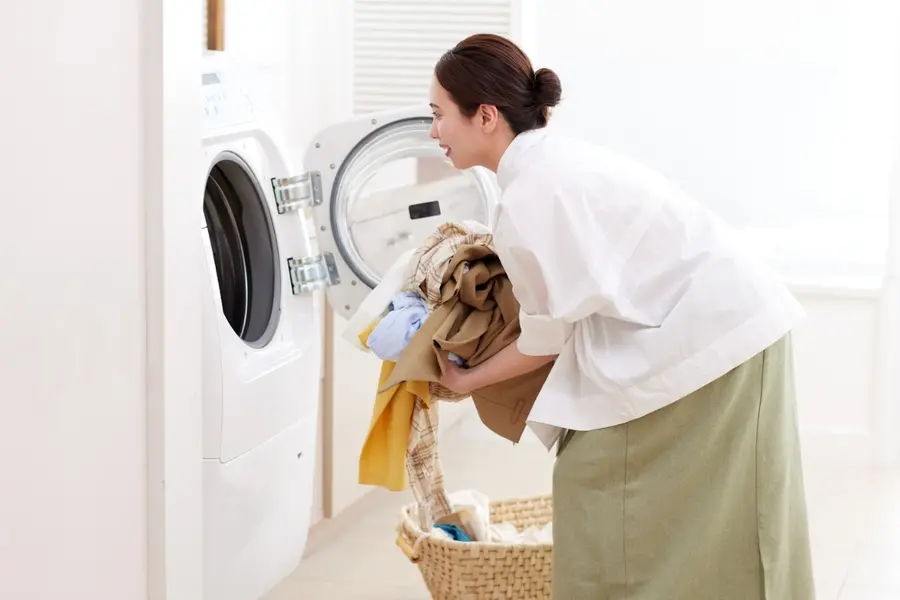
It is easy to assume that if something is dirty, it can simply go into the washing machine. After all, that is what the machine is there for. But some clothes and household items are better washed by hand or cleaned another way. Putting them through a regular cycle can leave you with a damaged item, a misshapen garment or, in some cases, a machine that needs attention too.
Before you toss something into the drum, take a quick look at its care label. It might seem like an unnecessary step when you are rushing through a load of laundry, but those little symbols can save you from shrinking, damaging or completely ruining a favourite item. If the label says machine wash, you are good to go. If it has the crossed-out wash symbol, keep it out of the machine.
Here are five things that are better kept away from the washing machine.
Leather and suede items
Leather and suede can be damaged by water and the mechanical action of a washing machine. Leather may shrink or lose its shape, while suede can be particularly difficult to restore once it has been soaked. Consumer Reports also lists leather and suede among materials that should not be machine-washed.
The safer option is to follow the item's specific care instructions. Depending on the piece, that could mean using an appropriate cleaner or taking it to a professional cleaner.
Also Read: Not kasavu, not linen: THIS stylist made an Onam saree from Kerala thazhappaya | See photos
And this is not limited to jackets and bags. Leather and suede shoes should also stay out of the washer.
Memory foam pillows
Memory foam pillows may look like they can handle a wash, but the foam itself is the problem.
The agitation and high-speed spinning of a washing machine can damage solid memory foam. Consumer Reports says the material can break apart when machine-washed, while Good Housekeeping's cleaning expert also advises against putting solid foam pillows in the washer.
This does not necessarily mean the entire pillow has to be thrown out when it needs cleaning. Check whether the outer cover is removable and machine-washable. The foam itself should be cleaned according to the manufacturer's instructions, usually through careful spot cleaning rather than a full wash.
Also, do not assume every foam pillow is the same. Some products have different constructions, so the care label is still your best guide.
Delicate clothes marked ‘dry clean only’
That expensive silk dress, embellished blouse or delicate formal outfit may look fine going into the machine. It may not look so fine coming out.
Clothes marked “dry clean only” should not be treated as ordinary laundry. Washing them at home can lead to shrinking, fading or damage, particularly when they are made from delicate materials such as silk, cashmere or leather, or have embroidery and embellishments.
Also Read: Why should you eat sunflower seeds? 6 health benefits to know
The same goes for vintage clothing. Older garments can be more fragile than they appear, and a normal wash cycle may be too rough for them.
If the label says hand wash, that is different from saying dry clean only. Follow the specific instructions rather than assuming that every delicate garment needs the same treatment.
Certain shoes
The washing machine can be perfectly fine for some washable fabric trainers, but shoes are not a category where you want to make assumptions.
just like leather and suede shoes, footwear containing delicate materials, cork soles, beading or other details can also be damaged during a wash. Even some running shoes are better cleaned according to their manufacturer's instructions because washing can loosen adhesives or affect their structure.
For example, Skechers' care guidance says that its nylon and mesh shoes may be machine-washed on a gentle cycle when appropriate, but specifically advises against machine-washing its leather and suede footwear.
So, before putting a pair of trainers into the drum, check the brand's instructions. If machine washing is allowed, follow the recommended cycle and drying method.
Clothes or items with flammable substances on them
This is one laundry rule that is easy to overlook.
Clothes heavily contaminated with substances such as motor oil or paint thinner should not simply be thrown into the washing machine. Laundry experts cited by Real Simple warn against washing items containing flammable substances because of the potential safety risk, particularly when heat is involved.
If you have work clothes stained with oil, solvents or another potentially flammable substance, check the product and garment care instructions before washing them. Do not assume that a normal detergent and wash cycle will make them safe.
The care label is your best friend
Laundry does not need to be complicated, but it does pay to slow down for a few seconds before pressing start. Look at the label, check the recommended temperature and see whether the item calls for a delicate, hand-wash or professional-cleaning method.
It is also worth emptying pockets before every wash. Coins, safety pins and other small metal objects can damage laundry and parts of the washing machine.
Also Read: Why your body feels different in your 30s? Here's what every woman should know
Samsung recommends sorting clothes by fabric type and sensitivity, securing zips and hooks, and avoiding overloading the machine.
And remember, “never put in the washing machine” does not mean every item made from a particular material is automatically off-limits. Wool, for example, can sometimes be machine-washed when the garment specifically says it is suitable for that treatment. Woolmark recommends following the care label and using the appropriate wool or delicate cycle when a wool garment is marked as machine-washable.
A little label-reading before laundry day can save you from a shrunken jumper, ruined shoes or an expensive trip to replace something that could have lasted for years.
(Disclaimer: The information in this article is for general guidance only. Always check the care label and the manufacturer’s instructions before washing any garment or household item, as cleaning requirements can vary by material and product)
Published: 31 Aug 2026, 11:05 am IST
ABOUT THE AUTHOR

Related Topics
Disclaimer: Kindly avoid objectionable, derogatory, unlawful and lewd comments, while responding to reports. Such comments are punishable under cyber laws. Please keep away from personal attacks. The opinions expressed here are the personal opinions of readers and not that of Mathrubhumi.