

Whether you're taking a quick domestic hop or a long-haul flight abroad, here's how to keep little travellers happy, calm and entertained.
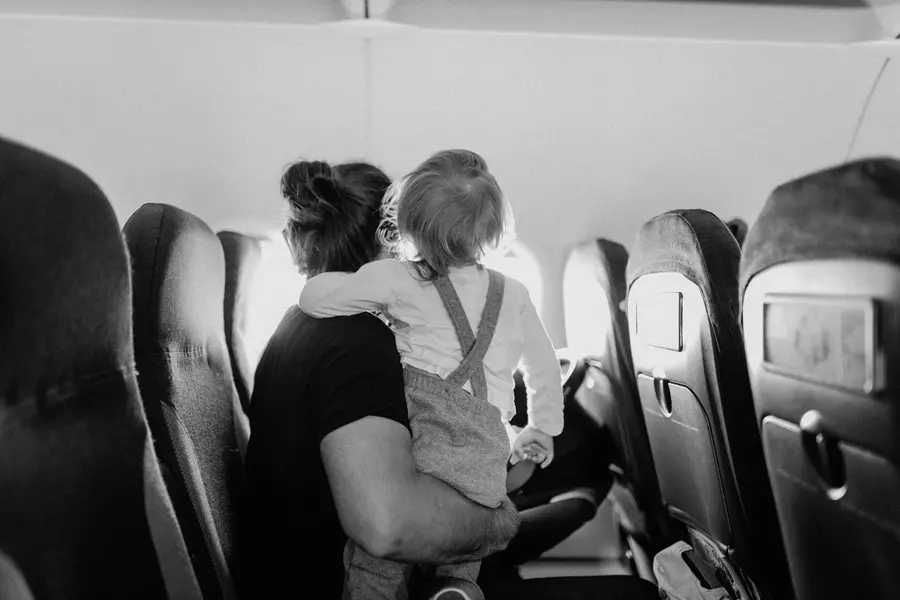
Every traveller has glanced around the boarding gate wishing the family with the energetic toddler isn't sitting anywhere nearby. Then life has a funny way of humbling you.
One day you're silently judging the parent trying to calm a crying child, and the next, you're wondering if your own toddler will make it through takeoff without announcing their feelings to the entire cabin.
But child psychologists say that a peaceful journey is about preparing them for an unfamiliar experience, keeping expectations realistic, and having a few comforting tricks up your sleeve.
To help parents travelling this holiday season, consultant clinical psychologist Dr Maneesha, shares practical strategies that can reduce stress for both children and adults. We also spoke to Fathima Sherin, a Canada-based mother who frequently flies with her three-year-old, for the real-life hacks she swears by.
Babies mirror your emotions more than you think
If you're travelling with an infant, your own mood matters.
According to Dr. Maneesha, babies often take emotional cues from their caregivers. Staying calm, speaking softly and responding gently can help an upset baby much faster than frantic attempts to stop the crying.
Gentle rocking, holding your baby close and using familiar soothing sounds can recreate the comfort they're used to at home even inside a noisy aircraft cabin.
Give toddlers a "flight-only" surprise
Toddlers have short attention spans, which means novelty can be your greatest ally.
Sticker books, water-reveal colouring books and simple peel-and-stick activities are excellent options during long flights.
Fathima Sherin has another strategy that has never failed her, "I always buy one or two new toys before the trip, but I don't let my daughter see them until we're on the plane," she says. "Because they're completely new, they keep her occupied much longer."
If your child already uses a tablet, downloading favourite cartoons, games or movies before boarding can also help during longer journeys.
Timing sleep can make all the difference
One of Sherin's biggest travel hacks revolves around sleep.
"If our flight is very early in the morning or late at night, I try not to let him sleep until after takeoff. Once the plane is in the air, he usually falls asleep and sleeps through a large part of the journey."
Of course, every child is different, but matching nap times with flight schedules whenever possible can make a surprisingly big difference.
Never board with a hungry child
Airline meals don't always arrive when children are hungry.
Traveller and mother of a four-year-old, Sanjeeda Sadiya, recommends feeding toddlers before boarding instead of relying entirely on in-flight food service, "I always make sure she eats before takeoff. A full tummy usually means she's much more relaxed and often sleepy too."
Packing familiar snacks is equally important. Crackers, fruit, homemade sandwiches, dry cereal or other favourite treats can prevent hunger-related tantrums if there are delays.
Help children know what to expect
For young children, uncertainty is often more frightening than the flight itself.
Dr. Maneesha suggests talking about the journey several days in advance using simple language they can understand.
Read books about aeroplanes, watch short videos of airports, or even pretend to check in and board an imaginary flight at home.
Walking children through what will happen from security checks to finding their seats helps make the experience feel familiar than overwhelming.
Pack comfort from home
A favourite blanket, soft toy or bedtime comforter can work wonders in an unfamiliar environment.
These familiar objects provide reassurance, especially during naps or moments of anxiety, and can help children settle much faster.
Protect ears during takeoff and landing
Changes in cabin pressure can be uncomfortable, especially for younger children.
For babies, breastfeeding, bottle-feeding or offering a pacifier during ascent and descent can encourage swallowing, which helps equalise ear pressure.
Older toddlers may find sipping juice through a straw or drinking water during takeoff and landing helpful.
Even with careful planning, children can still have difficult moments and that's perfectly normal.
More than aiming for the "perfect flight," focus on keeping your child comfortable, rested and engaged.
A little preparation, a few favourite snacks, some new entertainment and plenty of patience often go much further than parents expect.
After all, a calm parent is often the best travel companion a child can have.
Published: 26 Jun 2026, 05:08 pm IST
ABOUT THE AUTHOR
Disclaimer: Kindly avoid objectionable, derogatory, unlawful and lewd comments, while responding to reports. Such comments are punishable under cyber laws. Please keep away from personal attacks. The opinions expressed here are the personal opinions of readers and not that of Mathrubhumi.