
Maha Shivratri 2026 will be observed on February 15, with devotees fasting, praying and keeping a night-long vigil to honour Lord Shiva and seek spiritual awakening.
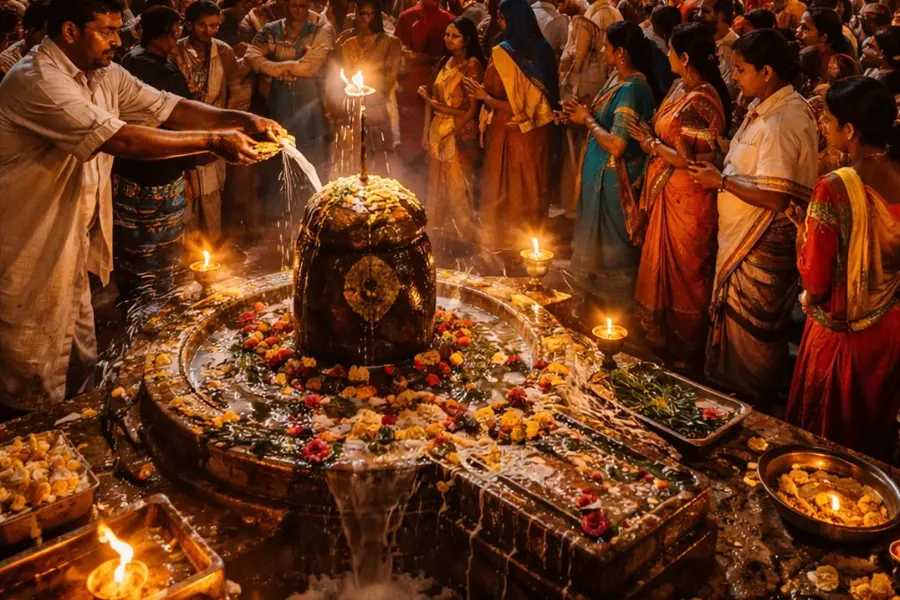
Maha Shivratri, one of the most sacred nights in the Hindu calendar, will be observed across India and by devotees worldwide on Sunday, February 15, 2026, marking a night of intense prayer, fasting and meditation dedicated to Lord Shiva.
Celebrated on the Chaturdashi tithi of Krishna Paksha in the month of Phalguna, the festival holds deep spiritual significance, symbolising the triumph of consciousness over ignorance and devotion over ego.
Also Read

According to the Hindu lunar calendar, the Chaturdashi tithi for Maha Shivratri begins on the evening of February 15 and continues into February 16, making the night vigil the most auspicious period for worship.
Devotees traditionally begin fasting at sunrise on February 15 and conclude it the next morning after performing parana, or ritual fast-breaking, following the end of the tithi.
The night of Maha Shivratri is divided into four prahars, each considered spiritually powerful for Shiva worship. In 2026, the first prahar begins shortly after sunset on February 15, followed by the second prahar around late evening.
The third prahar, which includes the highly auspicious Nishita Kaal (midnight period), falls around midnight, while the fourth prahar extends into the early hours of February 16 until sunrise.
Religious scholars and priests note that worship during Nishita Kaal is believed to yield maximum spiritual merit, as it is considered the moment when divine energy is at its peak.
Temples across the country, including major pilgrimage centres such as Kashi Vishwanath Temple, Somnath Temple, and Arunachaleswarar Temple, are expected to witness massive footfall, with special arrangements for night-long darshan, abhishekam and chanting.
Traditional Maha Shivratri rituals centre on fasting (vrat), night-long vigil (jagran), and Shiva Lingam worship. Devotees offer sacred items such as water, milk, honey, curd, and ghee to the Shiva Lingam, along with bilva leaves, which are considered especially dear to Lord Shiva.
Many observe a strict fast without food or water, while others follow a partial fast, consuming fruits and milk. Continuous chanting of “Om Namah Shivaya”, recitation of Shiva Purana verse,s and meditation form the core of the night’s observances.
Spiritually, Maha Shivratri is believed to commemorate several key aspects of Shiva lore — including his cosmic dance of Tandava, his marriage to Goddess Parvati, and his role as the supreme ascetic who dissolves illusion and attachment.
MAHA SHIVRATRI 2026: IMPORTANT TIMINGS (IST)
- Maha Shivratri Date: Sunday, February 15, 2026
- Chaturdashi Tithi Begins: Evening of February 15, 2026
- Chaturdashi Tithi Ends: Evening of February 16, 2026
- Day-long Fasting (Vrat): Begins at sunrise on February 15
- Night Vigil (Jagran): From sunset on February 15 till sunrise on February 16
Unlike many Hindu festivals marked by celebration and feasting, Maha Shivratri emphasises restraint, silence, and inner reflection. Staying awake through the night is seen as a symbolic act of remaining alert to truth and self-awareness.
Religious leaders say the festival offers an opportunity for devotees to reflect on discipline, detachment, and devotion, while seeking peace, clarity, and spiritual growth.
With large-scale temple events, community prayers, and digital live-streamed pujas planned across regions, Maha Shivratri 2026 is expected to draw millions into a shared night of faith and introspection.
Published: 06 Feb 2026, 12:36 pm IST
Related Topics
Disclaimer: Kindly avoid objectionable, derogatory, unlawful and lewd comments, while responding to reports. Such comments are punishable under cyber laws. Please keep away from personal attacks. The opinions expressed here are the personal opinions of readers and not that of Mathrubhumi.