
Winter Solstice marks the longest night of the year, believed to amplify lunar energy. Here’s when to see the moon today and why it’s considered auspicious.
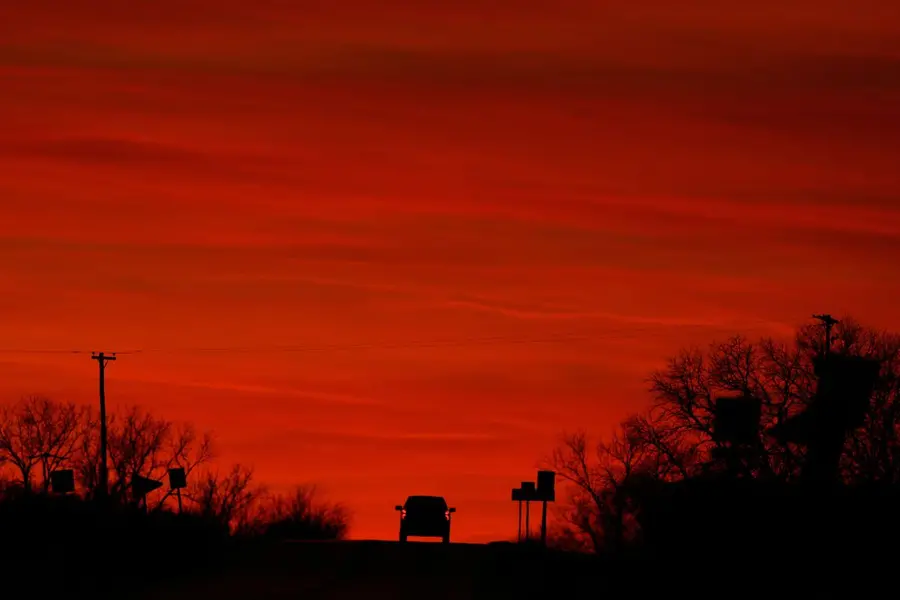
December 21, 2025, marks the longest night of the year, a day that holds both scientific and astrological significance. While astronomers recognise this date as the winter solstice—when daylight hours are at their shortest—astrology assigns deeper spiritual meaning to the evening moon sighting.
On Sunday, the Earth experiences just 10 hours and 19 minutes of daylight, while the night stretches to 13 hours and 41 minutes. Beyond its astronomical importance, believers say this unique cosmic alignment amplifies the moon’s spiritual influence.
In astrology, the moon represents emotions, intuition, feminine energy, transformation, and inner peace. According to popular belief, witnessing the moon on the longest night of the year helps calm the mind and invites positivity, prosperity, and emotional balance into one’s life.
Auspicious Time to See the Moon
Astrologers emphasise that timing matters. The most favourable window to see the moon today is between 5.29 pm and 6.24 pm, a period lasting 55 minutes. Observing the moon during this time is believed to enhance its beneficial effects.
Many followers choose to observe a day-long fast, breaking it only after moon sighting in the evening. Offering an oblation—traditionally made with water, milk, rice, sugar, flowers, and sandalwood or roli—is said to attract lunar blessings.
Rituals and Mantras
During moon sighting, devotees chant mantras such as:
“Om Shram Shreem Shraum Sah Chandraya Namah” and
“Om Aim Kleem Somaya Namah”
The offering is then gently poured facing the moon, followed by a moment of silent prayer. Believers are encouraged to express their deepest wishes at this time. Some also offer flowers, sweets, or kheer as a gesture of gratitude.
Why People Follow This Practice
According to Hindu belief, moon worship on this night helps reduce mental stress, improves emotional well-being, and restore inner balance. It is also said to ease Chandra Dosha (lunar imbalance), bring stability in finances, and promote harmony within the family.
For many, this evening is less about ritual perfection and more about intent, reflection, and connection with nature—a reminder to pause, look up, and align one’s thoughts with hope and positivity.
Published: 21 Dec 2025, 02:06 pm IST
Related Topics
Disclaimer: Kindly avoid objectionable, derogatory, unlawful and lewd comments, while responding to reports. Such comments are punishable under cyber laws. Please keep away from personal attacks. The opinions expressed here are the personal opinions of readers and not that of Mathrubhumi.
