
Learn why banks deduct TDS from your Fixed Deposit interest and how to use the new Form 121 to keep your full earnings.
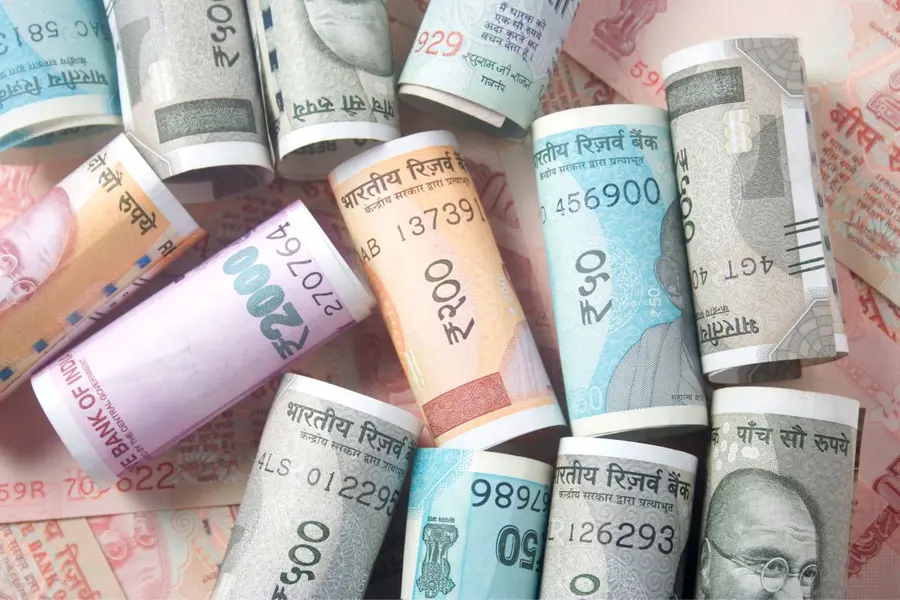
A person invested his entire retirement gratuity into a bank Fixed Deposit (FD). He calculated that the monthly interest would cover his medical bills and daily expenses. However, when the first month's interest hit his account, he was shocked. A major portion had been deducted by the bank under the label ‘TDS’ (Tax Deducted at Source).
Many investors assume they will receive their interest income in full. However, a lack of awareness regarding tax laws can derail the financial planning of people like Ganesh. TDS is not just an advance tax; it directly impacts your monthly cash flow. For a pensioner, a 10% or 20% reduction can affect their livelihood. Although this amount can be claimed back as a refund later, having that money sit with the government for a year is a liquidity loss for the investor.
Understanding TDS
TDS is the system where banks deduct a specific percentage of tax before creditng interest and remit it to the government. This is done under Section 194A of the Income Tax Act. For the government, this ensures easy tax collection and prevents investors from hiding income.
While it might seem like a convenience, without proper planning, you may lose money unnecessarily to tax deductions.
TDS rates
The rate of TDS depends on whether the investor has provided their Permanent Account Number (PAN) to the bank. TDS applies when the interest income exceeds ₹50,000 in a financial year.
| Category | TDS Limit (Per Annum) | TDS Rate (With PAN) | TDS Rate (Without PAN) |
| Below 60 years | ₹ 50,000 | 10% | 20% |
| Senior Citizens (60+) | ₹ 1,00,000 | 10% | 20% |
Note: If you fail to provide a PAN, the tax rate doubles to 20%, which is a massive loss. In essence, this becomes an ‘interest-free loan’ you provide to the government until you receive a refund.
Benefits for senior citizens
The Income Tax Act provides specific reliefs for those over 60. Senior citizens can earn up to ₹100,000 in interest per financial year before TDS applies. This is a major relief for retirees relying solely on interest. However, remember: just because TDS wasn't deducted doesn't mean the income is tax-free. If your total income exceeds the taxable threshold, you must still pay tax on this interest.
How to avoid TDS
If your total annual income is below the taxable limit, you can submit a declaration to the bank to prevent TDS:
- Form 15G: For those below 60 years.
- Form 15H:For senior citizens.
- Form 121 (New Update): Under the 2026 regulations, the Income Tax Department has introduced Form 121, which either replaces or unifies Forms 15G and 15H. Investors should ensure they use this latest form.
Points to remember
1. Submit these forms at the start of the financial year.
2. Only submit them if your total income is truly within the tax-exempt limit.
3. If you forget to submit, you can only get the money back by filing an Income Tax Return (ITR).
Reporting and tax returns
FD interest should be reported under 'Income from Other Sources'. Before filing your ITR, cross-check your TDS certificate with Form 26AS, the Annual Information Statement (AIS), and the Taxpayer Information Summary (TIS). Any discrepancies could lead to a notice from the tax department.
Premature withdrawal
Withdrawing an FD before its maturity will significantly reduce your interest earnings.
- The bank will not pay the original interest rate; instead, they pay the rate applicable to the actual duration the money stayed in the bank (which is usually lower).
- In addition, a penalty of 0.5% to 1% is typically charged on that reduced rate.
Quick checklist for investors
- Ensure your PAN is updated with the bank.
- Submit Form 15G/15H (or the new Form 121) at the start of the year if your income is below the tax limit.
- Always verify your AIS and 26AS before filing returns.
Published: 11 May 2026, 09:45 pm IST
Related Topics
Disclaimer: Kindly avoid objectionable, derogatory, unlawful and lewd comments, while responding to reports. Such comments are punishable under cyber laws. Please keep away from personal attacks. The opinions expressed here are the personal opinions of readers and not that of Mathrubhumi.
