
Post office customers must now use PAN for financial transactions. Learn how the new Form 121 replaces TDS forms and what you need to do. Read the guide now.
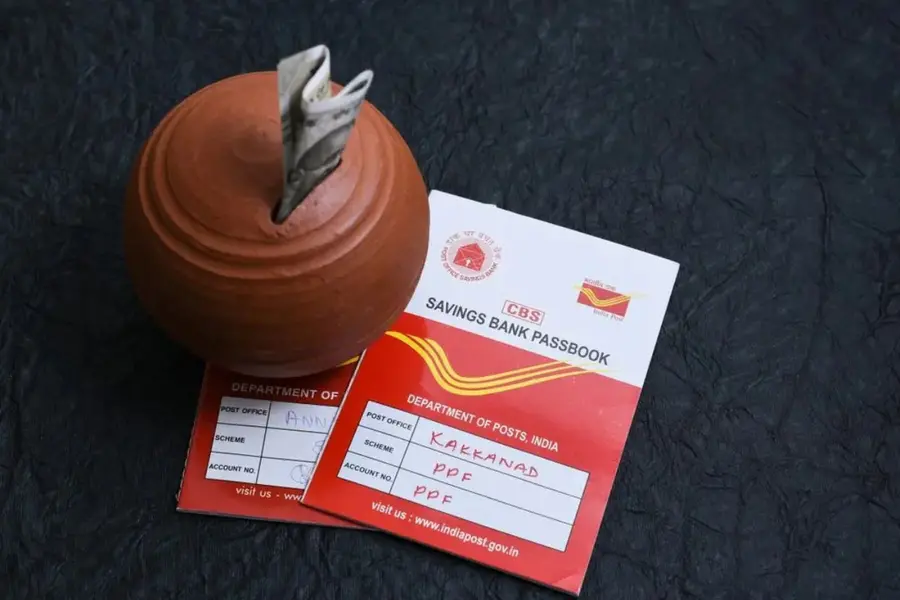
Post office customers across India will now have to quote their PAN for most financial transactions, marking a major change in how small savings schemes are operated and tracked.
The new rule affects everyday activities like deposits, withdrawals, account opening, and investment in post office savings schemes such as time deposits and recurring deposits.
What changes for customers?
The biggest impact is that PAN is now required almost everywhere in post office transactions.
This includes:
- Opening or operating accounts
- Depositing or withdrawing money
- Investing in savings schemes
Without PAN, transactions will not be blocked but additional steps will now apply.
No PAN? You will need extra declaration
Customers without PAN must now submit Form 97, which includes:
- Personal details like name and address
- Transaction details and amount
- Supporting documents
This replaces the earlier Form 60 but comes with stricter verification rules and slower processing in some cases.
Big change in tax exemption process: Form 121 replaces old system
Another key update is in how tax deduction (TDS) exemption is handled on interest income.
Earlier, two forms were used: Form 15G and Form 15H
Now both are replaced with a single form- Form 121.
This applies when a depositor’s total income is below taxable limits and they want to avoid TDS.
Under the updated rules:
- Post offices will collect and verify Part A of Form 121
- Officials will complete verification in Part B
- Records will be stored for up to seven years
Until systems are fully updated, the old Forms 15G and 15H will continue to be accepted alongside the new system.
For millions of post office customers, especially those using recurring deposits, monthly income schemes, and time deposits, the changes mean:
- More transactions will require PAN
- Extra paperwork for those without PAN
- Interest income will be more closely monitored.
Published: 07 May 2026, 03:56 pm IST
Related Topics
Disclaimer: Kindly avoid objectionable, derogatory, unlawful and lewd comments, while responding to reports. Such comments are punishable under cyber laws. Please keep away from personal attacks. The opinions expressed here are the personal opinions of readers and not that of Mathrubhumi.
