
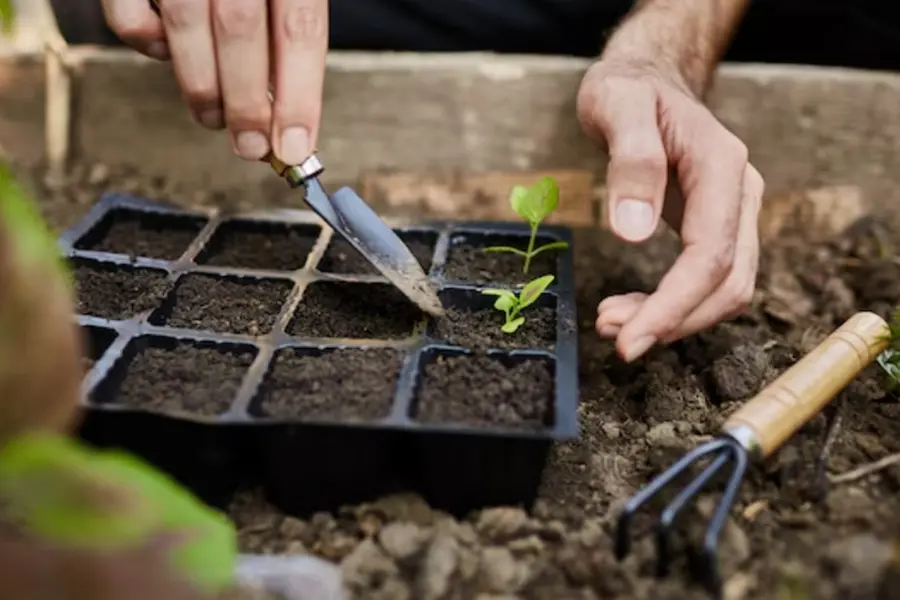
Gardening offers a fulfilling way to enhance your surroundings while fostering a deep connection with nature. Whether you wish to grow vibrant flowers, fresh vegetables, or fragrant herbs, starting your own garden is an enjoyable and rewarding process. Here’s a step-by-step guide to help beginners embark on their gardening journey.
1. Decide on your gardening type
Before starting, determine the type of garden you want. You can choose to grow:
- Flowers for aesthetic appeal and fragrance
- Herbs for culinary and medicinal use
- Vegetables for a homegrown food source
- Indoor plants if you have limited outdoor space
2. Choose the right location
Selecting an ideal spot is crucial for plant growth. Ensure the area gets at least six hours of sunlight daily and has proper soil drainage to prevent waterlogging. If outdoor space is limited, try container gardening or vertical gardening to maximize space.

3. Prepare the soil
Healthy soil is key to a thriving garden. Loosen the soil using a spade or rake and enrich it with organic compost or manure to improve fertility. Testing the soil’s pH level can also be beneficial—lime can be added to reduce acidity, while sulfur can balance alkaline soil.
4. Use raised beds for better growth
If your garden soil is poor or space is restricted, consider using raised beds. These structures enhance drainage, improve soil quality, and make gardening more manageable, especially for beginners.
5. Select suitable plants
Choosing plants that thrive in your local climate and soil type will increase your chances of success. Opt for low-maintenance plants if you're a beginner, such as marigolds, basil, or lettuce.
6. Gather essential gardening tools
Investing in the right tools makes gardening easier and more efficient. Some must-have tools include:
- Rakes – For loosening soil, gathering leaves, and spreading mulch
- Shovels – Essential for digging, lifting soil, and planting
- Trowels – Handy for smaller digging tasks and transplanting seedlings
- Wheelbarrows – Helps transport soil, compost, and other materials
- Pruning shears – Used for trimming plants and removing dead stems
- Garden hoses – Ensures proper irrigation for your plants

7. Plant your seeds or seedlings
Follow the planting instructions specific to each plant, ensuring they have enough space to grow. Plant seeds at the correct depth and water them thoroughly to help establish strong roots.
8. Maintain your garden regularly
Gardening requires consistent care and attention. To keep your plants healthy:
- Water them regularly, but avoid overwatering
- Monitor for pests and diseases, and address issues promptly
- Fertilize periodically to provide essential nutrients
9. Enjoy the process and be patient
Gardening is a continuous learning experience. Be patient and enjoy the journey as you watch your plants flourish. Over time, you’ll develop the skills and knowledge to grow a thriving garden.
By following these steps, you can create a beautiful and sustainable green space at home, contributing to a healthier environment while experiencing the joys of gardening.
Published: 23 Feb 2025, 02:00 pm IST
Related Topics
Disclaimer: Kindly avoid objectionable, derogatory, unlawful and lewd comments, while responding to reports. Such comments are punishable under cyber laws. Please keep away from personal attacks. The opinions expressed here are the personal opinions of readers and not that of Mathrubhumi.
