
On International Tea Day, we trace how a colonial commodity became India’s cultural cornerstone — from roadside stalls to political campaigns.
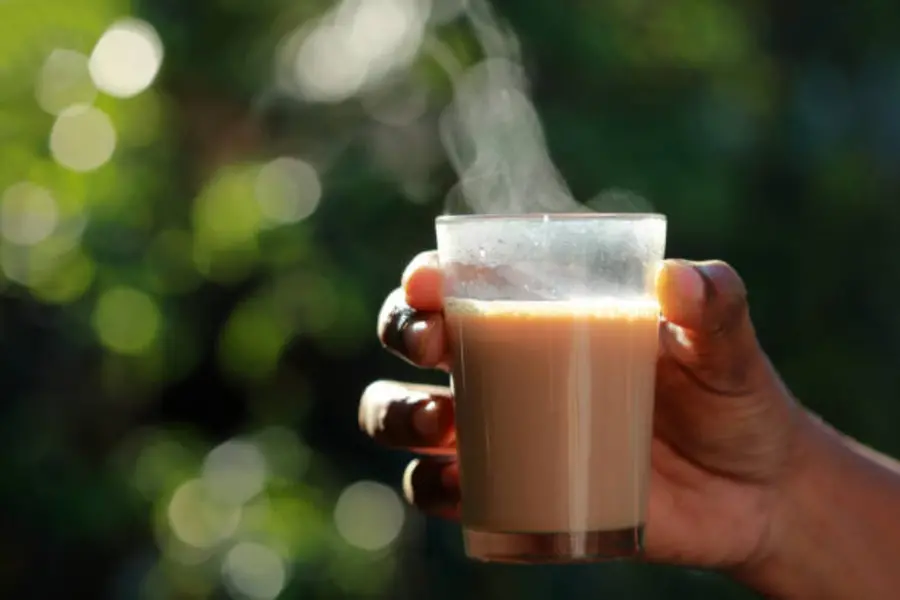
The tea vendor at the roadside stall is frothing that one beloved beverage, pouring it to and fro in a glass. As the rich aroma wafts through the air, we eagerly await that first sip. That wah moment — that’s what makes it chai.
On International Tea Day, we take a journey through the unique story of tea in India — from colonial roots to its status today as a cultural and culinary icon.
A staple in every Indian home
Whether it’s a mid-morning pick-me-up or a soothing evening ritual, chai has carved out a permanent space in Indian life. One iconic pairing is chai with roti — a combination millions relish daily, across every region and economic background.
The origins: British strategy, Indian legacy
Tea was introduced to India during British rule, initially promoted through free samples. The British aimed to cultivate both tea plantations and consumer habits. Over time, their efforts succeeded, and tea became deeply woven into the Indian lifestyle — not just as a drink, but as a social experience.
Today, the legacy endures. Tea is no longer just a beverage — it has evolved into a full culinary ritual, often described as something to be eaten, not just drunk. The concept of "high tea", though colonial in origin, has morphed into a modern Indian custom at corporate events and social functions.
Tea as medicine: From tradition to trend
Long before tea became a household drink, it was used as a natural remedy. From sore throats to fatigue, Indians have relied on tea for its healing properties for centuries.
In recent years, this medicinal aspect has gained renewed popularity. Herbal blends, Ayurvedic infusions, and wellness teas now dominate shelves. Whether it’s chamomile for calm or green tea for energy, tea continues to play a vital role in health routines.
Brewing business and bonds
Tea is also a connector — a silent facilitator of conversation, from street corners to boardrooms.
The phrase "Just meet over a cuppa" captures tea's place in Indian work culture. Tea breaks at offices, informal meetings at roadside stalls, and business deals begun over a hot cup are all part of the Indian rhythm of life.
These tea stalls — often family-run businesses — also represent a form of grassroots entrepreneurship, especially in rural and semi-urban India. They are economic engines and cultural landmarks rolled into one.
Tea as a political and social tool
Tea has made its way into politics too. During election campaigns, politicians frequently meet voters at tea stalls — places that cut across class lines and encourage open dialogue.
Public rallies and political speeches are often accompanied by cups of tea — making it a drink of democracy and discourse.
Narendra Modi’s ‘Chaiwallah’ legacy
India’s Prime Minister, Narendra Modi, famously began his life selling tea at a railway station. His rise from chaiwallah to national leader has become a symbol of ambition and opportunity — reinforcing chai’s presence in India’s social and political imagination.
A global drink, an Indian heart
While tea is cherished worldwide — from Japan’s ceremonial green tea to Britain’s classic brew — Indian chai has carved a distinct identity. Spicy, sweet, milky, and aromatic, it is a sensory experience. Indian chai is more than a drink. It is warmth, conversation, tradition, health, business, and politics — all in one cup.
So this International Tea Day, raise your glass (or clay cup) to the drink that brews history and heart in every sip.
Published: 21 May 2025, 06:29 pm IST
Disclaimer: Kindly avoid objectionable, derogatory, unlawful and lewd comments, while responding to reports. Such comments are punishable under cyber laws. Please keep away from personal attacks. The opinions expressed here are the personal opinions of readers and not that of Mathrubhumi.
