

Driven by social media and wellness culture, tea has evolved from a simple beverage into a form of self-expression and emotional comfort
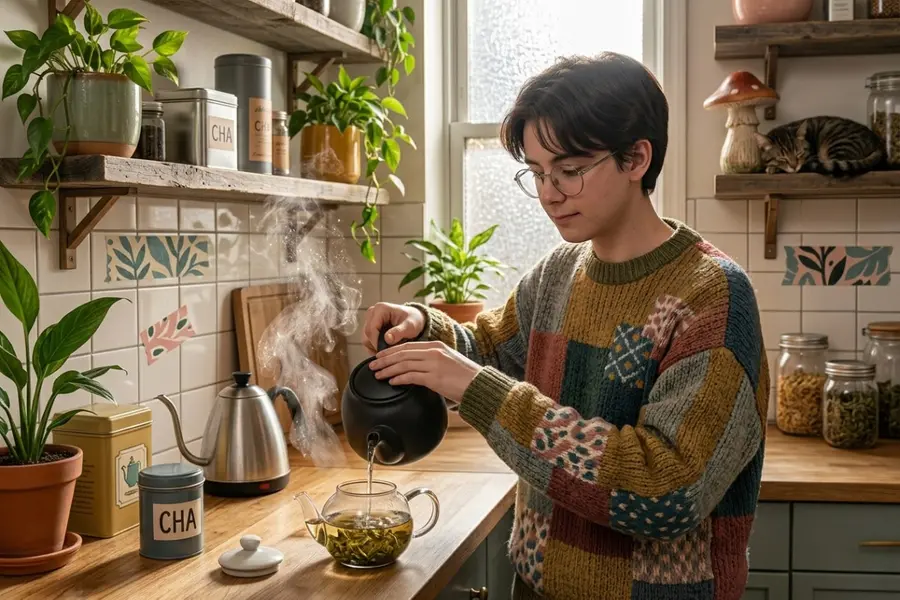
For older generations, tea was simple. You drank it in the morning, offered it to guests, or had it during rainy evenings with snacks. But for Gen Z, tea has become something more personal. It is now an aesthetic, a mood, a lifestyle choice, and sometimes even an identity.
Today, people are not just saying “I like tea.” They are saying things like, “I’m a matcha person,” “I survive on chai,” or “I’m in my herbal tea era.”
Across Instagram, TikTok and YouTube, tea is no longer just a beverage sitting quietly in the kitchen. It has become part of how young people express themselves online and offline.
And strangely enough, it makes complete sense.
Tea is no longer just a drink
A few years ago, coffee dominated internet culture. Café selfies, espresso machines, cold brews and latte art ruled social media. Coffee was linked to hustle culture; being busy, productive and constantly “on.”
Tea entered the conversation differently.
Instead of speed and productivity, tea became associated with calmness, comfort and slowing down. That shift matters because Gen Z grew up during a period of nonstop digital stimulation, pandemic anxiety, burnout culture and constant online pressure. Many young people are now actively searching for routines that feel softer and less exhausting.
Tea fits perfectly into that mood.
Making tea takes time. Waiting for water to boil, watching leaves steep, stirring masala chai on the stove... these tiny actions feel grounding in a fast-moving world. Even five quiet minutes with tea can feel like a small escape from endless notifications and screen time.
That is partly why “tea rituals” became so popular online.
The Internet helped turn tea into an identity
Social media played a huge role in transforming tea culture into something personal and expressive.
On TikTok and Instagram, tea content exploded during and after the pandemic. Matcha-making videos, cosy chai routines, “what I drink in a day” clips, and aesthetic tea shelves began attracting millions of views. Some videos are not even dramatic, people simply whisk green matcha slowly while calming music plays in the background.
And viewers love it.
Tea content feels peaceful in a feed filled with loud opinions, bad news and fast entertainment. It creates a sense of comfort that many people crave online.
Soon, different kinds of tea started representing different personalities and lifestyles.
Matcha became linked with wellness-focused, minimalist lifestyles.
Masala chai stayed connected to warmth, nostalgia and home comfort.
Herbal teas became associated with self-care and mental wellness.
Bubble tea developed its own playful, social identity among students and young urban crowds.
Tea became less about thirst and more about self-expression.
“I’m in my Matcha era”
One reason tea became so popular with Gen Z is because younger audiences love turning phases and habits into “eras.”
Online, people constantly describe themselves through aesthetics and moods:
“clean girl era”
“healing era”
“soft life era”
“villain era”
Tea slipped naturally into that language.
Drinking chamomile tea before bed is now framed as part of a peaceful lifestyle. Buying expensive ceremonial matcha becomes part of a wellness-focused identity. Posting rainy-day chai photos signals comfort, nostalgia and emotional warmth.
Tea became visual storytelling.
Unlike many food trends that disappear quickly, tea also carries emotional depth. For Indians especially, chai already has strong cultural memories attached to it like railway station tea, evening tea with parents, college canteen tea breaks, roadside tea stalls after tuition classes, or monsoon chai with pakoras.
Gen Z is not inventing tea culture from scratch. They are reshaping old traditions into something that fits modern internet culture.
Tea feels more “real” than expensive luxury culture
Another reason tea resonates with younger people is affordability.
Luxury culture online can feel exhausting. Every trend seems to involve expensive skincare, costly vacations or aesthetic cafés. Tea feels more accessible.
A ₹15 roadside chai and a fancy café matcha may look completely different, but both offer the same thing: a small emotional experience.
That matters during a time when many young adults are dealing with rising living costs, unstable jobs and financial anxiety. Tea offers comfort without requiring a huge lifestyle upgrade.
In many ways, tea culture feels less intimidating than coffee culture too. Coffee discussions can sometimes feel technical and elite with things like brewing methods, machines, bean origins. Tea culture online tends to feel softer and more welcoming.
People are not trying to prove expertise. They are sharing moods.
The rise of “cosy content”
Tea also became popular because of the rise of cosy internet content.
Over the past few years, audiences have shown increasing interest in slower, comforting videos like:
Rainy-day vlogs,
Quiet cooking videos,
Study-with-me streams,
Home café routines,
Late-night journaling clips.
Tea appears in almost all of them.
A steaming mug instantly creates a feeling of warmth on screen. Even visually, tea works perfectly for social media; swirling chai, colourful matcha, glass cups catching sunlight, soft kitchen lighting. It creates atmosphere.
This trend reflects something deeper about how younger people consume content now. Many are no longer looking only for excitement online. They are also looking for emotional comfort.
Tea content delivers exactly that.
Wellness culture changed everything
The global wellness industry also pushed tea into mainstream youth culture.
Green tea, herbal infusions and functional teas are now heavily marketed around better sleep,digestion,stress relief, glowing skin, focus and energy.
Some claims online are exaggerated, but interest in wellness routines has genuinely grown among younger audiences. Tea became part of that broader self-care movement.
In India especially, traditional ingredients like turmeric, ginger, tulsi and saffron already existed in home remedies long before wellness influencers popularised them online. Now these same ingredients are being rebranded for modern audiences through wellness cafés and premium tea brands.
The result is a strange mix of ancient habits and internet aesthetics.
Tea stalls still matter too
Interestingly, Gen Z’s tea obsession is not limited to fancy matcha cafés.
Roadside tea stalls remain deeply important social spaces across India. College students gather there after classes. Office workers take chai breaks together. Friends discuss relationships, politics and life plans over tiny paper cups of tea.
Tea culture works across class, language and lifestyle differences in a way very few trends do.
That is probably why tea feels emotionally powerful compared to many short-lived internet fads. It connects modern digital culture with something older and familiar.
Maybe tea became a personality trait because people want comfort
At its core, this trend is not really about tea leaves or brewing styles.
It is about how young people are trying to create identity, comfort and small moments of peace in an overwhelming world.
Tea represents slowness in an era obsessed with speed. It represents routine in uncertain times. And online, it offers a softer kind of self-expression that feels less performative than many other trends.
So when Gen Z says they are “a chai person” or “in their matcha era,” they are often talking about more than a drink.
They are talking about the version of themselves they want to become.
-Compiled by Salma
Published: 21 May 2026, 03:00 pm IST
ABOUT THE AUTHOR
Related Topics
Disclaimer: Kindly avoid objectionable, derogatory, unlawful and lewd comments, while responding to reports. Such comments are punishable under cyber laws. Please keep away from personal attacks. The opinions expressed here are the personal opinions of readers and not that of Mathrubhumi.