
Second-hand smoke has no safe level, and a few minutes of exposure is enough to affect your body.
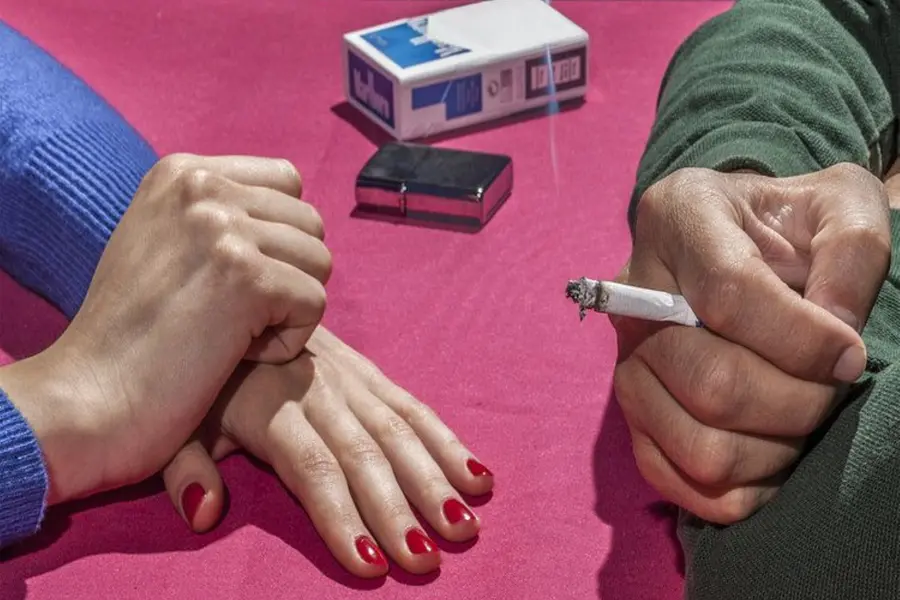
You don’t smoke. You avoid smoking zones, and you’ve asked guests to step outside. But then someone lights up at the next table, on a neighbouring balcony or at the tea stall, and the smoke drifts your way. It’s easy to shrug it off as an unpleasant smell. Doctors say it’s far more than that.
What exactly is second-hand smoke?
Second-hand smoke, also called passive smoking, is the smoke you breathe in without choosing to. It’s a mix of two things: the smoke rising from the burning tip of a cigarette, cigar, pipe or shisha, and the smoke the smoker breathes out. The smoke from the burning tip is unfiltered, so it can carry even more toxins than what the smoker exhales.
Tobacco smoke contains thousands of chemicals. Cleveland Clinic puts the figure at over 7,000, of which about 69 are known to cause cancer. Some of them are surprisingly familiar:
- Benzene, found in petrol
- Butane, found in lighter fluid
- Ammonia, found in cleaning products
- Toluene, found in paint thinner
- Cadmium, found in batteries
- Formaldehyde, found in embalming fluid
Also Read: Ready to quit smoking? Here's how to make it through the tough days
Your body reacts faster than you think
The lungs and blood vessels do not distinguish between a smoker’s cigarette and smoke forced into the air around them.
Dr Ashwin Rajbhoj, a cancer physician at MOC Cancer Care, Pune says. Dr Sewanti Limaye of Sir HN Reliance Foundation Hospital adds that there is no safe level of exposure.
Research cited by Cleveland Clinic shows how quickly the damage can begin:
- 5 minutes: arteries become less flexible, much as they do in an active smoker
- 20 to 30 minutes: blood begins to clot more easily, and fat deposits in the blood vessels raise the risk of heart attack and stroke
- 2 hours: an irregular heartbeat can develop, which may trigger serious cardiac problems
What it can lead to
Repeated exposure has been linked with lung cancer, heart disease and stroke. It may also raise the risk of breast cancer and COPD (chronic obstructive pulmonary disease). Adults who are regularly exposed may be up to 30% more likely to develop heart disease. In the short term, it can cause coughing, headaches, a sore throat and irritated eyes and nose.
In the United States alone, second-hand smoke is linked to more than 7,000 lung cancer deaths and over 33,000 heart disease deaths every year.
Who is most at risk?
- Children and babies: their lungs are still developing. Second-hand smoke can worsen asthma and cause frequent coughs, ear infections and chest infections like bronchitis and pneumonia. It is also linked with sudden infant death. Children who grow up around smokers are also more likely to start smoking themselves.
- Pregnant women: less oxygen reaches the baby, which can lead to low birth weight or premature birth.
- People with existing heart or lung conditions
- Service industry workers: servers and bartenders in smoking areas often can’t avoid exposure.
- Pets: like young children, they can’t walk away from a smoky room.
Also Read: Can smoking help microplastics reach your heart?
Smoke lingers longer than you’d expect
Smoke can hang in a room for up to five hours, and it can travel through stairwells and ventilation systems. That means people in apartment buildings can be exposed without leaving their homes. Smoke particles also settle on walls, furniture and clothes and can stay for months. This residue is called third-hand smoke.
One survey found that 1 in 4 non-smokers still say they breathe in second-hand smoke.
How to protect yourself and your family
The aim isn’t to panic over every whiff, but to cut exposure wherever you can.
- Move away. Find a smoke-free spot to sit or stand.
- Keep your home smoke-free. Smoking in one room or opening a window doesn’t solve the problem.
- Keep your car smoke-free. Smoke can reach very high levels in a small enclosed space, even with the windows down.
-
Choose smoke-free venues whenever you have the choice.
- Speak up politely. It’s perfectly fine to ask people not to smoke in your home or car.
- If you smoke, quitting is the best protection for the people around you and for you.
- Open windows and air filters may lower some of the toxins, but they don’t remove the risk.
Also Read: Smoking Does Not Just Harm Health, It Hits Your Insurance Too
Passive smoking is not a habit that belongs to someone else. It’s an exposure that lands on people who chose not to smoke. Preventing cancer isn’t only about early detection and treatment. It also means reducing the carcinogens we’re exposed to.
(Disclaimer: This article is for informational purposes only and is not a substitute for professional medical advice. If you are regularly exposed to second-hand smoke or have any concerns about your health, please consult a doctor.)
Published: 18 Oct 2026, 01:10 pm IST
ABOUT THE AUTHOR

Disclaimer: Kindly avoid objectionable, derogatory, unlawful and lewd comments, while responding to reports. Such comments are punishable under cyber laws. Please keep away from personal attacks. The opinions expressed here are the personal opinions of readers and not that of Mathrubhumi.