
A massive volcanic ash plume from Ethiopia’s Hayli Gubbi volcano is moving across western and northern India, raising air travel and health safety concerns, especially for asthma patients.
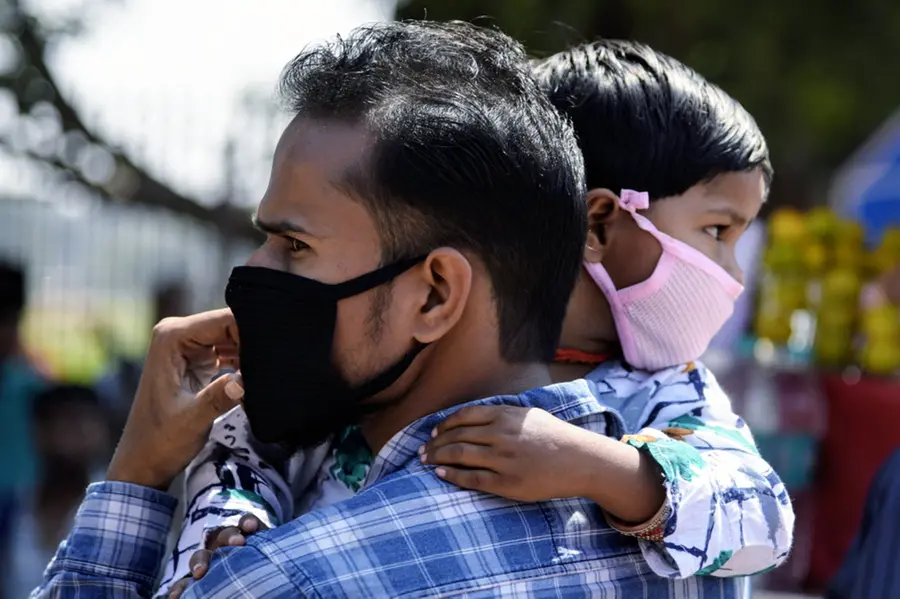
As a massive ash plume from Ethiopia’s Hayli Gubbi volcano moves toward western and northern India, concerns are rising over its potential impact on air travel and public health.
The ash mass, released during a powerful volcanic eruption, is travelling at 100–120 km/h at high altitudes of 15,000–25,000 feet up to 45,000 feet. It carries volcanic ash, sulphur dioxide, and tiny particles of volcanic glass and rock.
Also Read

Also Read: Volcanic ash cloud from Ethiopia reaches Delhi, sweeps across Northern India
What volcanic ash is
Volcanic ash consists of extremely fine fragments of rock, mineral crystals and volcanic glass produced during eruptions. These particles measure less than 2 mm in diameter and can travel thousands of kilometres when carried by strong upper-level winds.
What experts say about health risks
The Centres for Disease Control and Prevention (CDC) has cautioned that “Volcanic eruptions can affect your health” and “Inhaling volcanic gases and ash can be harmful to your health.”
Volcanic gases and ash may contain:
- Carbon dioxide (CO₂)
- Sulfur dioxide (SO₂)
- Hydrogen chloride (HCl)
- Hydrogen sulfide (H₂S)
- Radon (Rn)
- Hydrogen fluoride (HF)
- Sulfuric acid (H₂SO₄)
Many of these gases are odourless and invisible, which means there may be little or no warning before exposure.
Short-term health effects
According to CDC guidance, breathing volcanic ash and gases may cause:
- Irritation of the eyes or airways
- Vomiting, dizziness, and headaches
- Rapid or difficult breathing
- Visual disturbances
- Tremors
Long-term health effects
Prolonged exposure has been linked to:
- Bronchitis and lung infections
- Respiratory disorders, including lung disease and lung cancer
Severe exposure may lead to unconsciousness within minutes and death, CDC warns.
Who is most at risk
The CDC says people most vulnerable include:
- People with asthma
- Children and babies
- Individuals with chronic respiratory or heart diseases
Published: 25 Nov 2025, 09:20 am IST
Related Topics
Disclaimer: Kindly avoid objectionable, derogatory, unlawful and lewd comments, while responding to reports. Such comments are punishable under cyber laws. Please keep away from personal attacks. The opinions expressed here are the personal opinions of readers and not that of Mathrubhumi.