
Baek Se-hee, the South Korean author of the bestselling memoir ‘I Want to Die but I Want to Eat Tteokbokki’, brought global attention to dysthymia, a chronic form of depression often misunderstood or overlooked.
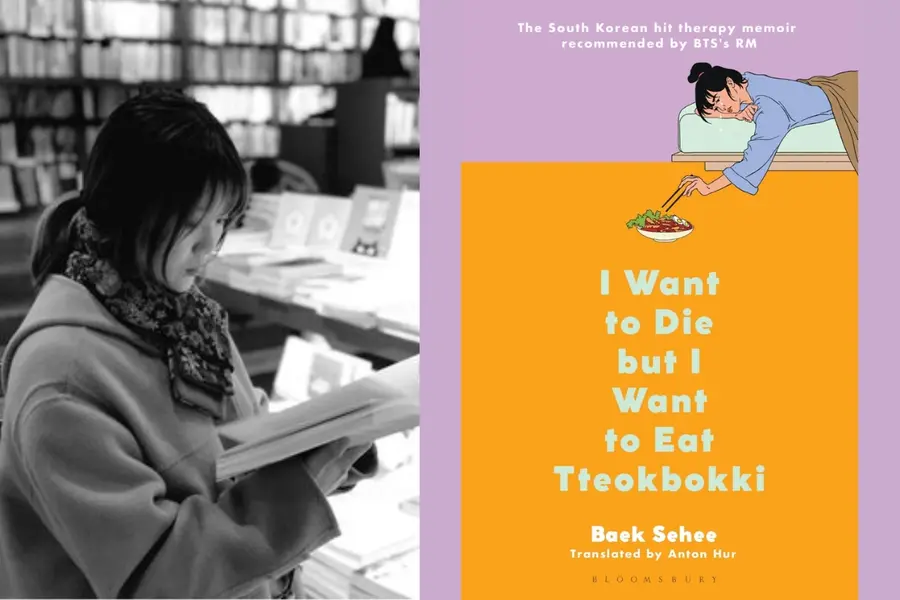
Following the death of South Korean author Baek Se-hee, known for her memoir I Want to Die but I Want to Eat Tteokbokki, attention has turned to dysthymia — a lesser-known but chronic form of depression that she courageously brought into public conversation.
What is dysthymia?
Also Read

Dysthymia, also known as persistent depressive disorder (PDD), is a long-term form of depression where symptoms are less intense than major depression but last far longer. In adults, these symptoms must persist for at least two years for a diagnosis. Unlike episodic depressive episodes, dysthymia creates a consistent emotional low that can make daily life feel heavy and joyless.
People with dysthymia often experience:
- Persistent sadness or low mood
- Low energy and fatigue
- Feelings of guilt or hopelessness
- Difficulty concentrating
- Loss of interest in activities once enjoyed
While symptoms may not completely disable a person, the chronic nature of dysthymia can significantly impact personal relationships, productivity, and self-esteem over time.
Treatment and management
Treatment for dysthymia typically involves a combination of psychotherapy and medication.
- Psychotherapy, especially cognitive behavioural therapy (CBT), helps individuals challenge negative thought patterns and build coping mechanisms.
- Antidepressant medications, such as SSRIs, can help regulate mood and alleviate persistent symptoms.
- Lifestyle adjustments — including regular exercise, sleep hygiene, social support, and mindfulness — can also support recovery. Importantly, early intervention can reduce the risk of developing major depressive episodes, which can occur alongside dysthymia (a condition known as “double depression”).
Baek Se-hee’s candid voice on dysthymia
Baek Se-hee, who passed away at the age of 35, gave the world one of the most honest and intimate portrayals of dysthymia through her memoir I Want to Die but I Want to Eat Tteokbokki. The 2018 bestseller documented her therapy sessions and struggle to live meaningfully while battling low-level, persistent depression.
Her book was translated into over 25 languages, selling more than one million copies worldwide. It resonated particularly with younger readers who recognised their own silent battles in Baek’s words. Her now-famous line — “The human heart, even when it wants to die, quite often wants at the same time to eat some tteokbokki, too” — encapsulated her belief that even in despair, small joys can coexist.
Why dysthymia matters in mental health awareness
By sharing her experience, Baek Se-hee helped destigmatise mental illness in South Korea, a society where open discussions about therapy and depression are often rare. Her story continues to educate readers on the nuances of mental health — that not all depression is overt or easily recognisable.
Raising awareness of dysthymia is essential because it often goes undiagnosed or mistaken for simple sadness or fatigue. Recognising persistent patterns of low mood and seeking professional help early can transform lives.
Legacy and lessons
Baek Se-hee’s openness created a bridge for others to speak about their mental health struggles. Her legacy reminds readers that depression is not always visible — and that empathy, conversation, and access to care are vital.
As her books continue to inspire, mental health professionals stress the importance of understanding conditions like dysthymia and encouraging those affected to seek consistent treatment and support.
Even amid persistent lows, Baek’s life and words show that hope — like the warmth of tteokbokki on a cold day — can coexist with pain, and that speaking about it can help others find light.
(Disclaimer: This article is for informational purposes only and is not a substitute for professional medical advice, diagnosis, or treatment. If you or someone you know is experiencing symptoms of depression, please seek help from a qualified mental health professional.)
Published: 18 Oct 2025, 06:45 pm IST
Disclaimer: Kindly avoid objectionable, derogatory, unlawful and lewd comments, while responding to reports. Such comments are punishable under cyber laws. Please keep away from personal attacks. The opinions expressed here are the personal opinions of readers and not that of Mathrubhumi.