
Cardiologist explains how cooked spinach may support healthy BP levels
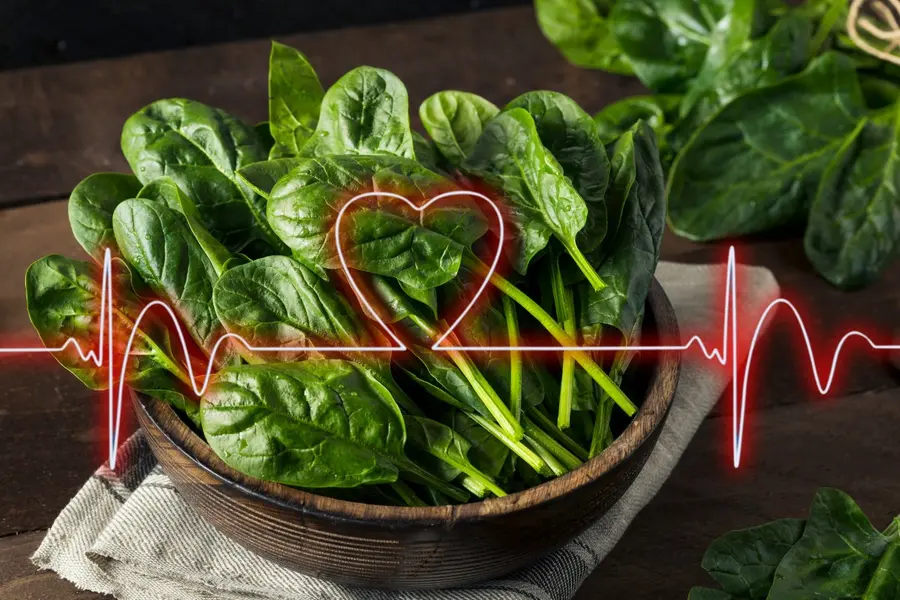
Lowering blood pressure is usually framed as a list of things to give up. Less salt, fewer pickles, no more packet snacks but what if one of the best things for your blood pressure were not a pill, a supplement or an expensive superfood, but a bunch of spinach costing a few rupees?
Dr. H M Madhukara, a consultant cardiologist at Manipal Hospital, Bengaluru, sees the consequences of unchecked hypertension every working day. His verdict on the leafy green is warm. “Cooked spinach is an excellent addition to a heart-healthy diet,” he says, “because it provides essential minerals, fibre and antioxidant compounds.”
Potassium: Salt’s natural counterweight
Modern diets, heavy on pickles, packaged snacks and restaurant meals, tip it firmly towards sodium. Potassium is what pushes back.
“Potassium counteracts the effects of excess sodium,” Dr. Madhukara explains. It helps the kidneys flush sodium out through urine, and it also encourages the walls of blood vessels to relax.
Also Read: Hair falling more than usual? Here’s how stress could be connected
Less sodium hanging around means less water held in the bloodstream, and relaxed vessels mean less pressure against their walls. It is a double benefit from a single mineral.
Cooking helps here too. A great mass of raw leaves wilts into a small portion, so a modest serving of cooked spinach delivers far more potassium than the same bowl of salad leaves would.
Nitrates: A small molecule with a big job
Nitrates have a mixed reputation, thanks to their association with processed meats. The nitrates found naturally in vegetables are a different matter entirely, and spinach is rich in them.
Once eaten, they are converted in the body into nitric oxide, a signalling molecule that tells the smooth muscle lining your blood vessels to loosen up. “It relaxes vascular smooth muscle, improves blood vessel function and reduces blood pressure,” says Dr. Madhukara. Wider, more flexible vessels allow blood to flow with less resistance, which is exactly what you want when pressure is running high.
Also Read: Best foods for period fatigue: What to eat during menstruation
According to him, studies on dietary nitrates from spinach have shown “promising short-term effects” on blood pressure and vascular function.
Magnesium: The quiet supporter
Magnesium rarely gets the glory that potassium does, yet it works along similar lines. According to Dr. Madhukara, it behaves much like the nitrates do, supporting the smooth muscle in blood vessel walls and helping them relax. Spinach is a dependable source, and it asks nothing of your salt shaker.
More than the sum of its minerals
The benefits do not end there. Cooked spinach also carries folate, vitamin C, beta-carotene and other antioxidant compounds. These help cells function normally and protect the smooth muscle of the blood vessels from oxidative stress, a kind of everyday wear and tear that accelerates vascular ageing. Vitamin K and carotenoids, Doctor adds, contribute to wider cardiovascular and metabolic health.
Then there is fibre, which supports a healthy overall eating pattern and helps keep metabolic health on track.
Perhaps the most practical point is how easily spinach slots into Indian cooking. Dal palak, palak paneer made with a light hand, a simple sabzi with garlic and cumin: all of these bring in the goodness without leaning on high-sodium processed foods.
A word of caution
Spinach is not for everyone in unlimited quantities. Because it is high in potassium, people with chronic kidney disease who already have raised potassium levels in their blood need to be careful. The same applies to anyone taking medicines that push potassium up.
Also Read: Is your joint pain a sign of arthritis? 7 warning signs to watch for
“They should seek individual dietary advice before using these potassium-rich foods,” Dr. Madhukara stresses.
Beyond the spinach: What else moves the needle
No single vegetable can carry the load alone, and Dr. Madhukara is clear that blood pressure calls for “a comprehensive lifestyle approach”. His recommendations are straightforward:
Watch the salt: Aim for less than five grams a day, roughly a level teaspoon, counting everything you eat and not just what you add at the table.
Keep your weight in check: Even modest weight loss can ease the strain on your heart and arteries.
Move regularly: Target 150 minutes of moderate aerobic activity each week, such as brisk walking, cycling or swimming, and include some strength training as well.
Build your plate around plants: Vegetables, fruit, whole grains, pulses and nuts should form the base of your meals, with processed foods kept to a minimum.
Eating for pressure, the Indian way
The eating pattern Dr. Madhukara recommends is built on vegetables, fruit, whole grains, low-fat dairy, pulses and nuts, an approach with strong evidence behind it for lowering blood pressure. Cutting sodium while raising potassium-rich foods helps the body regulate its fluid balance and the tone of its blood vessels.
In India, he points out, the real work lies in the details. “Reducing salt from pickles, pappads, packaged snacks and restaurant food, while incorporating locally available vegetables and pulses, is practically approachable,” he says. No imported superfoods or expensive supplements are required.
Also Read: What are the signs of male infertility? Symptoms, causes and risk factors to know
Cooked spinach will not replace your medication or your morning walk. As he puts it, it is an “affordable and nutrient-rich food” that can help control blood pressure when eaten regularly as part of a balanced, low-sodium diet.
Combined with exercise, a healthy weight and, where prescribed, antihypertensive medication, it earns a permanent place on the menu.
- Dr. H M Madhukara is a Consultant - Interventional Cardiology at Manipal Hospital Electronics City, Bengaluru
Published: 29 Oct 2026, 01:00 pm IST
ABOUT THE AUTHOR

Related Topics
Disclaimer: Kindly avoid objectionable, derogatory, unlawful and lewd comments, while responding to reports. Such comments are punishable under cyber laws. Please keep away from personal attacks. The opinions expressed here are the personal opinions of readers and not that of Mathrubhumi.