
A shocking video of maggots found in sealed Always sanitary pads has gone viral, raising serious concerns about menstrual hygiene product safety and quality control. Always has responded to the outcry.
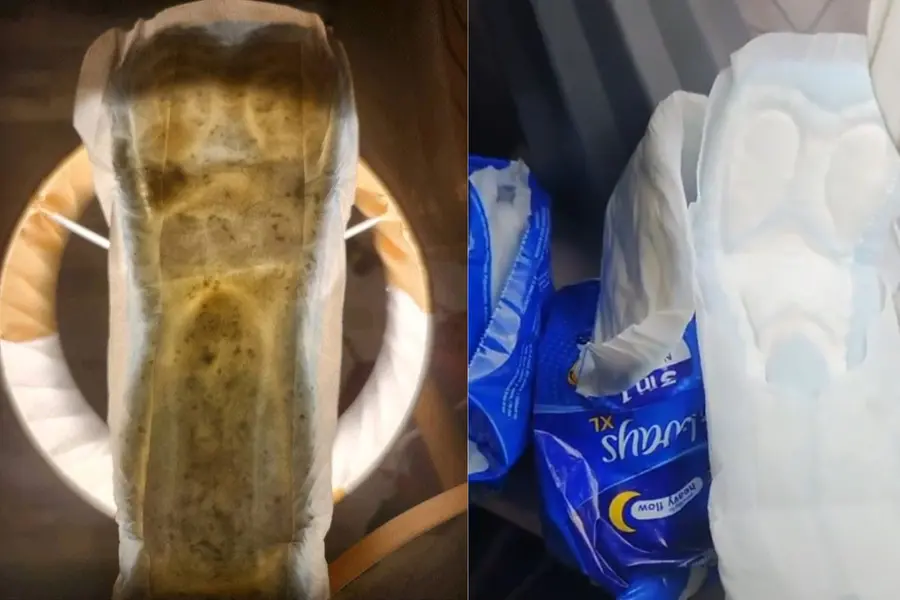
A horrifying video circulating on social media has triggered widespread concern over menstrual hygiene product safety. In the now-viral clip, a woman identified as Allie D claims to have found live maggots inside sealed Always sanitary pads, raising serious questions about product quality control and manufacturing hygiene standards.
The video was first shared on October 16, shows Allie holding what appears to be a clean, unused pad under a lamp. As the light shines through the material, tiny larvae can be seen wriggling inside the layers of the pad, leaving viewers shocked and disgusted.
Allie explained that she had purchased a brand-new, unopened pack of pads and decided to inspect them after noticing something unusual. “I was horrified to see maggots crawling inside a pad that was completely sealed. The outer packaging looked perfectly fine — clean, new, and untampered — which makes it even scarier,” she said in the video.
The footage quickly went viral, sparking a wave of outrage and fear among users online. Many questioned how such contamination could occur in a sealed sanitary product, which is expected to meet strict hygiene and safety standards.
Experts have pointed out that while rare, contamination in sanitary products can occur if organic materials are exposed to air, moisture, or improper storage conditions during production or distribution.
Company responds after viral outcry
Following the massive online uproar, ‘Always’, a global feminine hygiene brand, issued a statement acknowledging the incident and apologising for the distress caused.
According to a report by The Mary Sue, the company reached out directly to Allie, asking her to share details about the purchase location, storage conditions, and whether the packaging had been opened or damaged prior to her noticing it. Always also requested that she return the affected pads, along with unused ones from the same pack, to facilitate a detailed investigation.
The company sent her a prepaid shipping label and offered a USD 10 coupon as compensation, a gesture meant to replace the contaminated pack.
Published: 23 Oct 2025, 03:46 pm IST
Related Topics
Disclaimer: Kindly avoid objectionable, derogatory, unlawful and lewd comments, while responding to reports. Such comments are punishable under cyber laws. Please keep away from personal attacks. The opinions expressed here are the personal opinions of readers and not that of Mathrubhumi.
