
From chewing food with plastic wrap to drinking gelatin before meals, 2026 has brought some of the strangest viral weight-loss trends — but are they safe or effective?
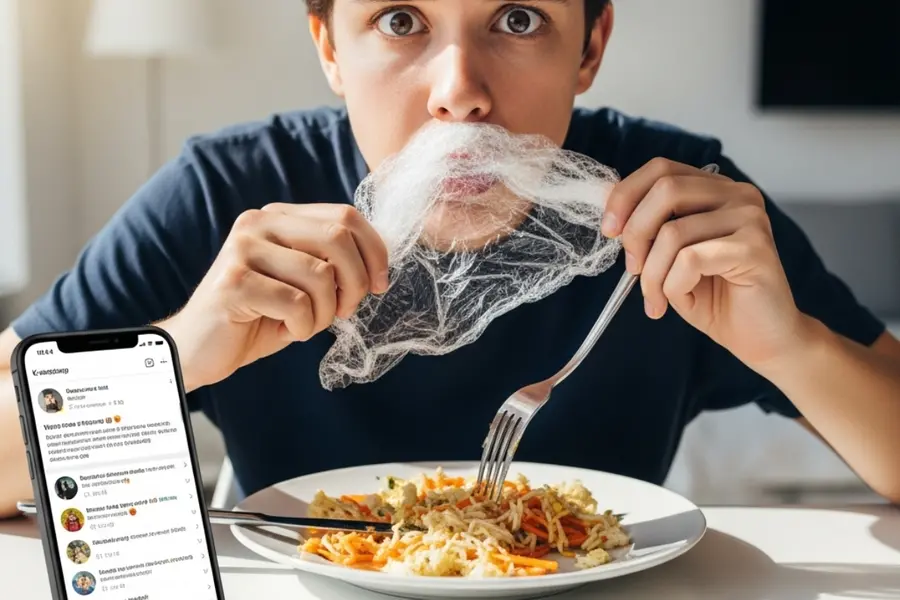
Social media can make even the strangest ideas seem normal — and the latest diet trend proves it. Called “plastic eating,” it has young people tasting food wrapped in plastic without swallowing, hoping to curb cravings and lose weight. While it sounds bizarre, many can relate to the constant pressure to stay slim, try every “hack,” and keep up with online trends. Experts say the method is unsafe and ineffective, showing just how far diet culture can push people in the search for quick results.
Also Read

Bizarre trends hitting social media
Every few months, social media sparks a new diet craze. Some are harmless, like swapping soda for water. Others are extreme — like the 2026 “plastic-eating” or “cling wrap” trend from China. People put plastic wrap in their mouths, chew food to taste it, then spit it out, hoping to trick their brains into feeling full.
It sounds unreal — because it is. Experts warn it doesn’t work and can even be dangerous. Chewing plastic can cause choking, ingesting microplastics, and unhealthy eating habits.
Other strange trends have gone viral too:
- Gelatin gulp: Drinking unflavored gelatin 20 minutes before meals to feel full. It may briefly reduce appetite but doesn’t replace proper nutrition.
- Internal shower: Mixing chia seeds, lemon, and water for “digestive cleansing,” which can cause bloating and cramps.
- Fibermaxxing: Consuming double the daily fiber recommendation to “optimize metabolism,” often sending people to the ER.
Why taste alone isn’t enough
Chewing food without swallowing might satisfy your taste buds for a moment, but it doesn’t signal fullness to your stomach or hormones. Satiety depends on digestion, nutrient absorption, and stomach stretching. The hunger comes back, often stronger.
Imagine taking a bite of chocolate cake with plastic wrap in your mouth — it might taste good, but your stomach still knows it’s empty.
The dangers behind “quick-fix” hacks
These trends aren’t just ineffective — they can be harmful:
- Choking hazards from plastic or non-food items.
- Skin irritation or restricted blood flow when using body wraps during workouts.
- Encouraging disordered eating, reinforcing anxiety around food.
Even wrapping your waist in plastic to sweat during exercise doesn’t burn fat — it only reduces water weight temporarily. Your body quickly rehydrates, and the effect disappears.
Why people fall for these trends
Social media and diet culture amplify fear of weight gain and body image pressure. Trends go viral because they promise instant results. People see others “chewing plastic” or “fibermaxxing” online and think it’s normal or effective.
This obsession isn’t new. Diet fads have always existed — from tapeworm pills in the 1800s to the “cotton ball diet” or sedative fasting. 2026 just makes them flashier and easier to share.
The healthy, real alternatives
Instead of risky trends, experts recommend simple, science-backed habits:
- Eat a balanced diet with proper portion sizes.
- Aim for moderate exercise: walking, jogging, or strength training.
- Maintain a calorie deficit safely if weight loss is needed — roughly 500 calories less per day can lead to 0.5–1 lb loss per week.
- Stay consistent and patient — quick hacks rarely lead to lasting results.
- Seek professional guidance from a registered dietitian or fitness expert.
Even small, sustainable changes beat extreme hacks. Enjoying a small piece of cake, walking for 30 minutes, or drinking water instead of soda makes a real difference over time.
Plastic-eating diets, body wraps, and other viral hacks might grab attention online, but they’re not safe or effective for long-term health. True weight management comes from steady, realistic habits: eating well, moving more, and treating your body with care. Quick fixes are tempting, but consistency is what works — even if it’s not TikTok-worthy.
(Disclaimer: This article is for informational and educational purposes only. It does not constitute medical advice. The trends discussed are not recommended by health professionals, and attempting them may pose serious health risks. Readers should consult a qualified doctor, dietitian, or nutritionist before making any changes to their diet or exercise routine.)
Published: 18 Feb 2026, 12:43 pm IST
Related Topics
Disclaimer: Kindly avoid objectionable, derogatory, unlawful and lewd comments, while responding to reports. Such comments are punishable under cyber laws. Please keep away from personal attacks. The opinions expressed here are the personal opinions of readers and not that of Mathrubhumi.