
Steroids show promise in TB treatment, enhancing immune response while reducing harmful inflammation.
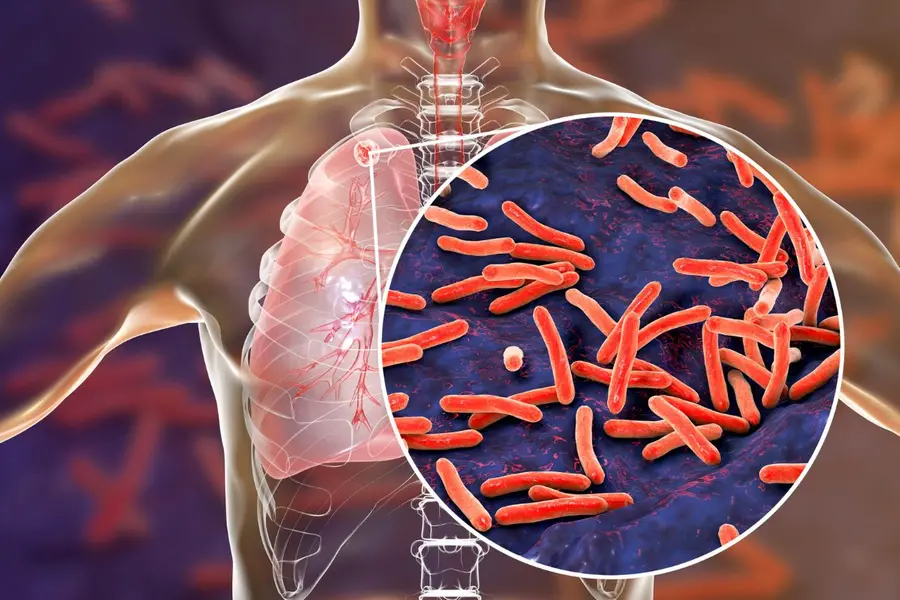
New Delhi: Treating patients with steroids could offer a universal complementary approach to fight tuberculosis (TB), which affects over 10 million people worldwide each year, according to a recent study.
The study, published in Scientific Reports, found that targeted steroid use enhances the function of immune cells called macrophages, which kill the mycobacteria causing TB, while reducing pathways of inflammatory damage.
Although steroids such as dexamethasone are currently used in specific TB cases, including TB meningitis, their effect on immune cells remains poorly understood.
Dexamethasone, a potent glucocorticoid, reduces glycolysis in human lung and blood-derived macrophages, limiting the energy available within the cells.
The research also showed that dexamethasone decreases the production of both pro- and anti-inflammatory cytokines. While this can support immunity, it may also reduce damage caused by excessive inflammation.
Findings
"In clinical practice, steroids are the most underused adjunctive therapy for TB. We often rely on steroids to manage inflammation in tuberculosis, particularly in severe forms like TB meningitis,” said Prof Joseph Keane, Professor of Medicine, Trinity College Dublin in Ireland.
"What's reassuring from this study is that dexamethasone not only tempers inflammation but also appears to support the macrophage's ability to control infection. This study provides new evidence to help us redefine steroid use in TB care -- targeting inflammation without compromising antimicrobial defense," he added.
Researchers studied macrophages derived from the blood of healthy volunteers and lung fluid from patients undergoing routine bronchoscopies. By infecting these macrophages in the lab with Mtb, scientists could examine how dexamethasone influences the immune response that protects the lungs.
The study revealed that Mtb-infected macrophages survive longer when treated with dexamethasone, suggesting protection from cell death caused by infection or harmful immune responses.
Dexamethasone also reduces the bacterial load in infected macrophages. The researchers identified that this effect is partly mediated by autophagy and phagosomal acidification, enhancing the macrophages’ ability to degrade and clear bacteria.
These findings support the use of steroids as an adjunct therapy alongside conventional antimicrobial treatments, especially in cases marked by excessive inflammation.
Published: 11 Oct 2025, 02:22 pm IST
Related Topics
Disclaimer: Kindly avoid objectionable, derogatory, unlawful and lewd comments, while responding to reports. Such comments are punishable under cyber laws. Please keep away from personal attacks. The opinions expressed here are the personal opinions of readers and not that of Mathrubhumi.
