
A MESH study reveals that 38% of medical protein powders in India contain toxic heavy metals, harmful fungi and unsafe additives, posing serious health risks.
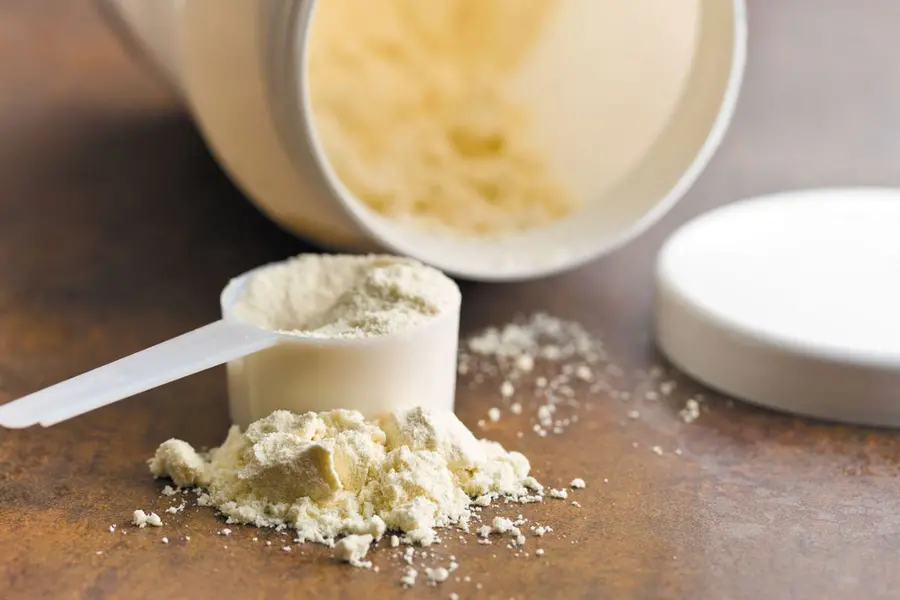
Malappuram: A recent study has revealed that 38 per cent of medical protein powders available in the market contain dangerously high levels of heavy metals and toxins. The findings come from a research report by the Mission for Science and Ethics in Healthcare (MESH), a consortium of national and international health experts. The study also detected harmful fungi in several samples.
MESH conducted the clinical study on 34 leading varieties of medical protein powders and fitness protein supplements currently sold in India. Medical protein powders are widely used in the treatment of liver and kidney diseases, while fitness protein supplements are popular among individuals seeking muscle building and body enhancement.
According to the study, 38 per cent of medical protein powders were found to contain excessively high levels of cadmium, arsenic and copper. Among fitness protein supplements, this figure stood at 25 per cent. The research further revealed that 11 per cent of medical protein powders contained dangerous fungal contamination, although such contamination was not detected in fitness protein powders.
The report highlighted that a person suffering from liver disease requires around 250 grams of medical protein daily to obtain 30 grams of actual protein intake. This costs between ₹11,000 and ₹15,000 per month, while fitness protein powders cost approximately ₹1,300 per month. MESH primarily conducts studies related to public health and clinical safety. The latest study was led by a team including Dr Abi Philip, Dr T Arif Hussain, Dr Aryalakshmi, Sreemohan, Dr Ambili Baby and Dr Shinesmon.
Other key findings
• Medical protein powders contain only 10–45 grams of protein per 100 grams, while fitness proteins contain 60–90 grams.
• The amino acid quality in medical protein powders is significantly lower.
• The steroid hormone progesterone was detected in 11 per cent of medical protein powders and 6 per cent of fitness protein powders.
• Around 44 per cent of products contained added sucrose.
• Nearly 33 per cent contained unhealthy fructose additives.
• Around 89 per cent of companies reportedly add cheap taurine to artificially inflate protein content claims.
Published: 09 Jan 2026, 07:33 am IST
Related Topics
Disclaimer: Kindly avoid objectionable, derogatory, unlawful and lewd comments, while responding to reports. Such comments are punishable under cyber laws. Please keep away from personal attacks. The opinions expressed here are the personal opinions of readers and not that of Mathrubhumi.
