
Malaika Arora shares a beginner-friendly Vinyasa Flow yoga video
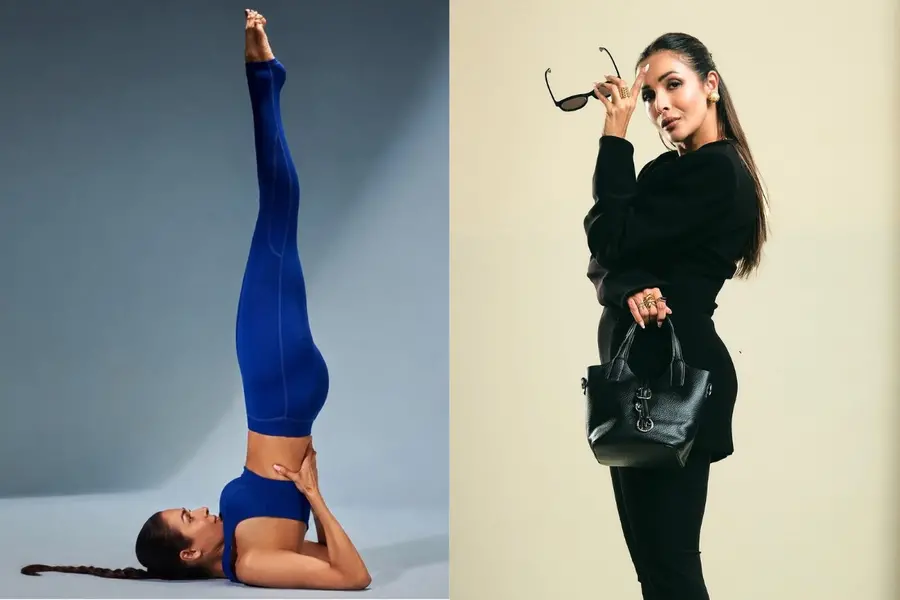
Malaika Arora has shared a glimpse of her Vinyasa Flow practice, showing that you do not need an elaborate yoga routine to get moving. The actor and fitness enthusiast posted a video featuring a series of flowing yoga poses, linked together with steady breathing.
The video begins with Malaika in Adho Mukha Svanasana, or Downward-Facing Dog, before she moves through different poses, including Virabhadrasana, or Warrior Pose. She eventually returns to Downward-Facing Dog, creating a simple flow that can be adapted for beginners.
Sharing the video, Malaika wrote, “New to yoga? Try this beginner-friendly Vinyasa flow to improve flexibility, build strength, enhance balance, and connect movement with breath. Practice slowly, breathe deeply, and enjoy your flow.”
What is Vinyasa Flow yoga?
Vinyasa is a style of yoga where movement is coordinated with the breath. Rather than holding every pose for a long time, you move from one position to another in a continuous sequence.
Also Read: Are your shoes hurting your joints? How everyday footwear can affect your knees, ankles and posture
There is no single Vinyasa routine that everyone has to follow. The poses and pace can vary depending on the teacher, class and level of practice.
Because it involves movement, Vinyasa can work several muscle groups while also encouraging body awareness and controlled breathing. A regular yoga practice may also help with flexibility, balance, strength and stress management.
A simple Vinyasa Flow for beginners
If you are new to yoga, try this gentle sequence. Move slowly and do not force yourself into any pose.
1. Mountain Pose
Stand with your feet comfortably apart and your arms by your sides.
Breathe: Take 3 slow breaths. Inhale through your nose and exhale slowly.
2. Forward Fold
Inhale and raise your arms overhead. As you exhale, gently fold forward from your hips. Bend your knees if your hamstrings feel tight.
3. Half Lift
Inhale and lift your chest, keeping your back long. Place your hands on your shins or thighs.
4. Plank Pose
Exhale and step one foot back at a time until you are in a plank. Beginners can bring their knees to the floor.
5. Cobra Pose
Lower your knees, chest and hips gently, then inhale as you lift your chest into a low Cobra. Keep your elbows close to your body.
6. Downward-Facing Dog
Exhale and lift your hips up and back. Keep your knees slightly bent if necessary.
Stay here for 3 to 5 breaths.
7. Low Lunge
Inhale and bring your right foot forward between your hands. Keep your left knee on the floor if that feels more comfortable.
Take 2 to 3 steady breaths, then return to Downward-Facing Dog.
Repeat on the other side.
8. Warrior II
From Downward-Facing Dog, bring your right foot forward and turn your back foot out. Rise into Warrior II, keeping your front knee bent and your arms extended.
Breathe slowly for 3 breaths, then return to Downward-Facing Dog and repeat on the other side.
9. Child's Pose
Lower your knees to the floor and sit your hips back towards your heels. Stretch your arms forward and take several comfortable breaths.
Also Read: Habits that may be speeding up your skin ageing: 7 everyday mistakes to watch
Remember to breathe
The breathing pattern does not have to be complicated. As a general guide, inhale when opening or lengthening the body and exhale when folding, lowering or moving deeper into a pose.
The aim is not to rush through the sequence. If your breathing becomes strained, slow down or pause. Beginners can also modify poses, use a wall or yoga blocks for support, and take breaks whenever needed.
Malaika's video is a reminder a few familiar poses, when linked with controlled breathing and mindful movement, can form a simple practice to get started with.
Published: 29 Sept 2026, 07:26 pm IST
ABOUT THE AUTHOR

Disclaimer: Kindly avoid objectionable, derogatory, unlawful and lewd comments, while responding to reports. Such comments are punishable under cyber laws. Please keep away from personal attacks. The opinions expressed here are the personal opinions of readers and not that of Mathrubhumi.