
From skipping sunscreen and smoking to excessive alcohol and harsh scrubbing, these everyday habits may accelerate skin ageing and make wrinkles, dryness and other visible signs appear sooner.
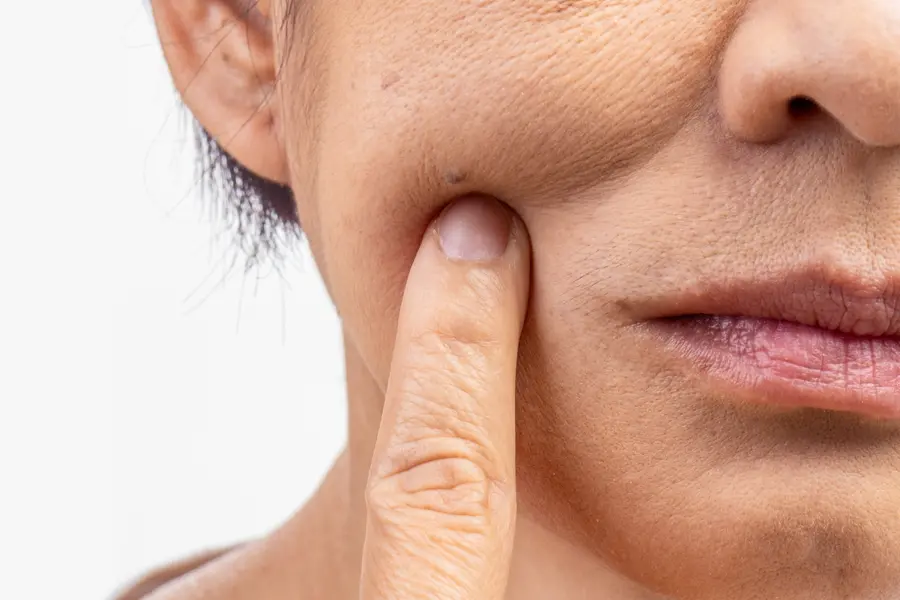
Ageing is an unavoidable part of life, but how quickly its signs appear on the skin can be influenced by more than just genetics. From spending time outdoors without adequate sun protection to smoking and repeatedly irritating the skin, certain everyday habits can contribute to premature ageing.
The American Academy of Dermatology (AAD) notes that lifestyle and environmental factors can cause what dermatologists call “extrinsic ageing”, which happens alongside the natural ageing process. Wrinkles, dryness, loss of elasticity and changes in skin texture can become more noticeable when the skin is repeatedly exposed to damaging factors.
Here are some common habits that may be making the skin look older sooner than it otherwise would.
Skipping sunscreen
One of the biggest avoidable contributors to premature skin ageing is exposure to ultraviolet (UV) radiation. The Mayo Clinic says UV exposure can damage collagen and elastin, the connective tissues that help skin retain its strength and flexibility. Repeated exposure can therefore contribute to wrinkles and other visible changes.
The AAD recommends using a broad-spectrum, water-resistant sunscreen with SPF 30 or higher on exposed skin when outdoors. It also advises seeking shade and using protective clothing, hats and UV-protective sunglasses.
Trying to maintain a tan
A tan may be considered desirable by some, but deliberately tanning exposes the skin to UV radiation. According to the AAD, tanning, whether outdoors or through indoor tanning equipment, can accelerate premature skin ageing.
The organisation recommends opting for a self-tanner if someone wants a tanned appearance, while continuing to protect the skin from the sun.
Smoking
Smoking is another habit strongly associated with premature skin ageing. The AAD says smoking can speed up the ageing process and contribute to wrinkles and a dull, sallow complexion.
The Mayo Clinic also lists smoking among the factors that accelerate wrinkle formation. It explains that tobacco smoke can damage collagen and elastin, while also affecting blood vessels supplying the outer layers of the skin.
Eating too much sugar and refined carbohydrate
Diet can also play a role in skin health. The AAD points to research suggesting that a diet high in sugar and other refined carbohydrates may accelerate skin ageing, while a diet containing plenty of fresh fruits and vegetables may help reduce damage associated with premature ageing.
This does not mean that individual foods alone determine how quickly someone ages. Rather, the overall quality and balance of the diet may influence skin health over time.
Drinking too much alcohol
Frequent or excessive alcohol consumption may also work against healthy-looking skin. According to the AAD, alcohol can dehydrate the skin and, over time, cause damage that may contribute to an older appearance.
The Mayo Clinic Press similarly includes limiting alcohol among lifestyle measures that can support healthier-looking skin and help reduce factors associated with wrinkles.
Scrubbing or irritating the skin
More aggressive cleansing is not necessarily better cleansing. The AAD advises against vigorously scrubbing the skin because irritation itself can contribute to premature ageing.
Its dermatologists recommend gentle cleansing with a mild cleanser rather than harsh scrubbing. The AAD also cautions against continuing to use skincare products that cause persistent burning or stinging, as irritation can make the skin appear older.
The organisation recommends washing the face when waking, before bed and after heavy sweating, while using gentle movements rather than trying to scrub away every trace of oil or dirt.
Repeating the same facial expressions
Facial expressions are a normal part of everyday life, but repeatedly contracting the same muscles can contribute to lines over time. The AAD explains that repeated facial movements can eventually leave lines that become more permanent as the skin loses some of its ability to bounce back.
The Mayo Clinic makes a similar point, noting that repeated movements such as squinting, smiling and frowning can create grooves that become more visible as skin elasticity decreases with age.
This does not mean people should stop smiling or expressing themselves. Protecting the eyes from bright sunlight with sunglasses, for example, can help reduce frequent squinting.
Natural ageing cannot be stopped, and factors such as genetics remain important. But the AAD says lifestyle and environmental factors can influence how quickly premature signs appear.
Published: 14 Sept 2026, 11:34 am IST
ABOUT THE AUTHOR

Disclaimer: Kindly avoid objectionable, derogatory, unlawful and lewd comments, while responding to reports. Such comments are punishable under cyber laws. Please keep away from personal attacks. The opinions expressed here are the personal opinions of readers and not that of Mathrubhumi.