
Based on Acute Encephalitis Syndrome (AES) surveillance data from the Union Health Ministry, Malappuram and Kozhikode were recently declared Japanese Encephalitis–affected districts.
Malappuram, Kerala: The Health Department has found that cases of Japanese Encephalitis (JE), commonly known as Japanese fever, are increasing significantly in Malappuram district. Based on Acute Encephalitis Syndrome (AES) surveillance data from the Union Health Ministry, Malappuram and Kozhikode were recently declared Japanese Encephalitis–affected districts.
In this context, District Medical Officer Dr TK Jayanthi has outlined key points the public should note to control the spread of the disease and prevent infection.
Also Read

How does the disease spread?
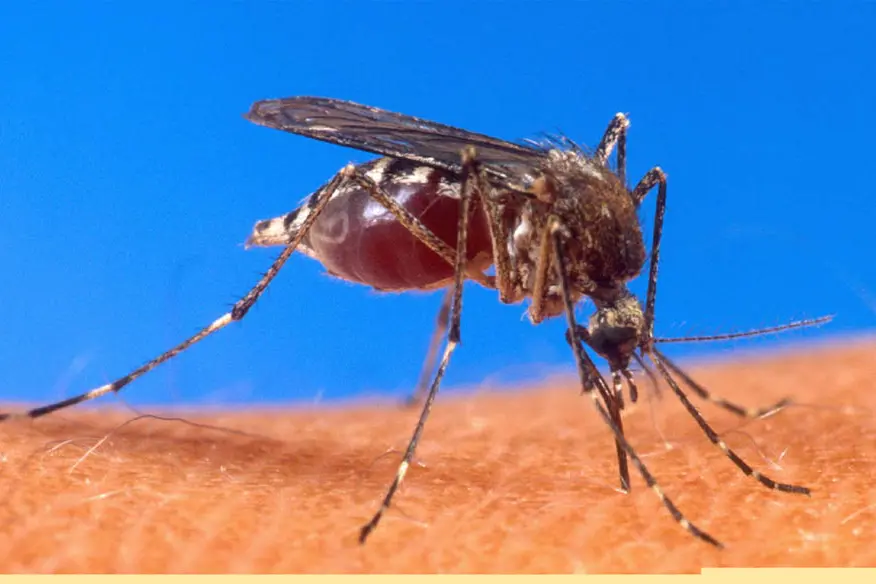
Japanese Encephalitis is a viral disease transmitted through Culex mosquitoes. It primarily affects the brain.
Also Read | Alarming rise in youth HIV cases in Kerala: Health Minister urges caution and healthy lifestyles
What are the symptoms?
The main symptoms include abnormal behaviour following high fever, loss of consciousness, vomiting and headache. In severe cases, the disease can progress to brain swelling and seizures, with a fatality rate of 20 to 30 per cent.
How is the disease diagnosed?
Diagnosis is confirmed through antibody testing of cerebrospinal fluid (CSF) or serum and blood samples. Collecting cerebrospinal fluid can be challenging in patients presenting with symptoms such as seizures.
Where is the risk higher?
The risk is higher in coastal regions due to waterlogging, which provides ideal breeding conditions for mosquitoes. The presence of migratory birds further increases the risk. The virus is found in water birds such as waterhens, cormorants and birds seen around cattle. Transmission to humans occurs through mosquitoes (vector); the disease does not spread directly from birds to humans.
Who is most at risk?
Children between the ages of one and 15 are most severely affected. Among them, children aged one to five are at greater risk of serious illness.
Also Read | Kerala's amoebic brain infection: Doctors reveal the ‘one mistake’ putting people in danger
What is the treatment?
There is no specific antiviral treatment for Japanese Encephalitis. Prevention through vaccination is the primary protective measure. Treatment is provided based on symptoms.
Among those who recover, 30 to 50 per cent may still suffer from physical or neurological complications and will require appropriate physical and psychological care.
Where is treatment available?
In Malappuram district, treatment is available at Manjeri Medical College, other private medical colleges, and hospitals equipped with intensive care units.
What are the preventive measures?
- Take the recommended vaccination.
- Avoid mosquito bites as much as possible.
- Eliminate conditions that allow mosquitoes to breed.
- Wear protective clothing when visiting paddy fields, waterlogged areas and ponds.
- Seek immediate medical attention at a medical college or well-equipped hospital if symptoms appear.
Published: 15 Jan 2026, 03:17 pm IST
Disclaimer: Kindly avoid objectionable, derogatory, unlawful and lewd comments, while responding to reports. Such comments are punishable under cyber laws. Please keep away from personal attacks. The opinions expressed here are the personal opinions of readers and not that of Mathrubhumi.