
Health experts warn that stagnant water, rising temperatures and delayed diagnosis are helping dengue emerge as a year-round public health challenge
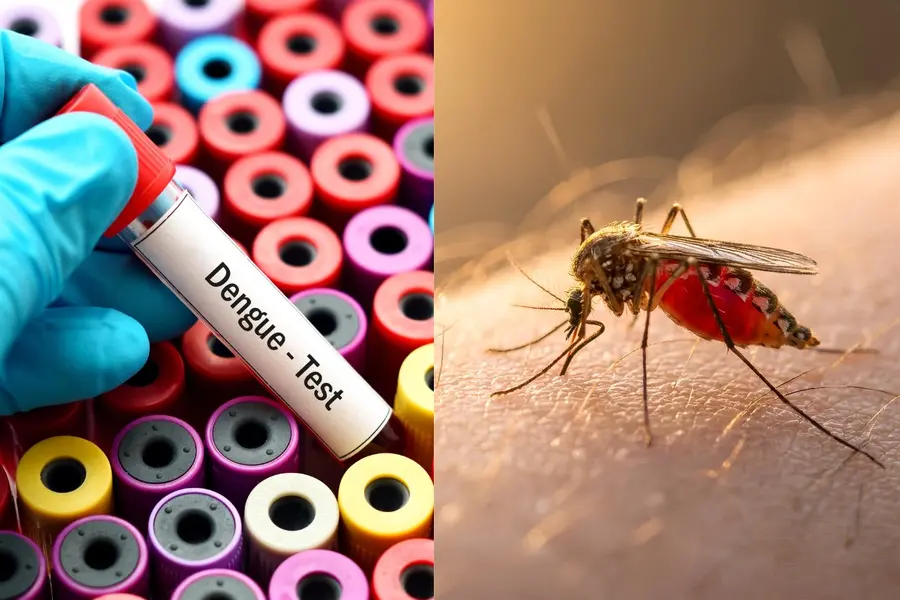
Dengue was for a long time considered just a ‘monsoon illness’ – something people would worry about only once the monsoon and waterlogging had arrived.
That’s changing fast.
Over the last few years, doctors in Bengaluru and other Indian cities have started seeing cases of dengue much earlier in the year, sometimes even before the monsoon has fully set in. Karnataka health officials are worried, especially within the BBMP limits, as they saw dengue cases even in pre-monsoon months last year.
According to data from the state health department, Bengaluru accounted for nearly half of Karnataka’s dengue cases reported between January and April 2025.
What is becoming more and more evident to us as physicians is that dengue is no longer behaving as strictly a seasonal disease.
Erratic weather patterns, sporadic rainfall, rising temperatures, construction activities, inadequate waste disposal and stagnant water pockets across the urban areas are creating perfect breeding grounds for mosquitoes almost all year round. A short rain followed by heat can accelerate the mosquito breeding cycle.
According to the data BBMP released, Bengaluru has always been one of the most affected areas in Karnataka. Bengaluru had reported over 600 cases of dengue in the first half of May 2025, and hundreds of volunteers and health inspectors had been deployed for containment drives, authorities had said.
Also Read: Your blood sugar reading may be wrong if you're making these common mistakes
Similarly, there could be similar dengue cases in 2026 due to the extreme heat this year, which was followed by a few spells of rain and then more heat.
The problem for doctors isn't just the increasing numbers, but also the delay in recognising the symptoms.
In the first stage many people ignore dengue as ‘just a viral fever’ and continue going to work or school with a constant fever, body pain, fatigue, headache or nausea. Symptoms may be mild at first and then suddenly get worse, especially in children.
Another worrisome trend is that urban families believe that mosquitoes only bite outside. But the Aedes mosquito that transmits dengue breeds often inside homes, on balconies, in coolers, in flowerpots, buckets and even in tiny stagnant water collections.
So, dengue prevention cannot be left to the government alone.
Basic measures are still the most important. Clean your coolers weekly, empty stagnant water containers regularly, use mosquito repellents even during the daytime, cover your overhead tanks, and do not ignore persistent fever lasting more than two days.
Also Read: Monsoon is here: Simple steps to avoid infections after getting drenched in the rain
Once symptoms develop, hydration is equally important. Many dengue complications are aggravated as patients come for treatment very late.
The bigger reality is that dengue is slowly emerging as a perennial urban health problem and not just a monsoon-only infection.
And if prevention is not ingrained in the daily public behaviour, these ‘early seasonal spikes’ might soon become the new norm.
Dr Ilyas Abdul Aziz is a Consultant Physician | Critical Care Specialist | Geriatrician at Cura Hospitals, Bengaluru
Published: 11 Jun 2026, 07:47 am IST
Disclaimer: Kindly avoid objectionable, derogatory, unlawful and lewd comments, while responding to reports. Such comments are punishable under cyber laws. Please keep away from personal attacks. The opinions expressed here are the personal opinions of readers and not that of Mathrubhumi.
