
Dance is more than physical movement; it is a powerful form of expression that stimulates the brain, boosts mental health, and strengthens social and emotional connections
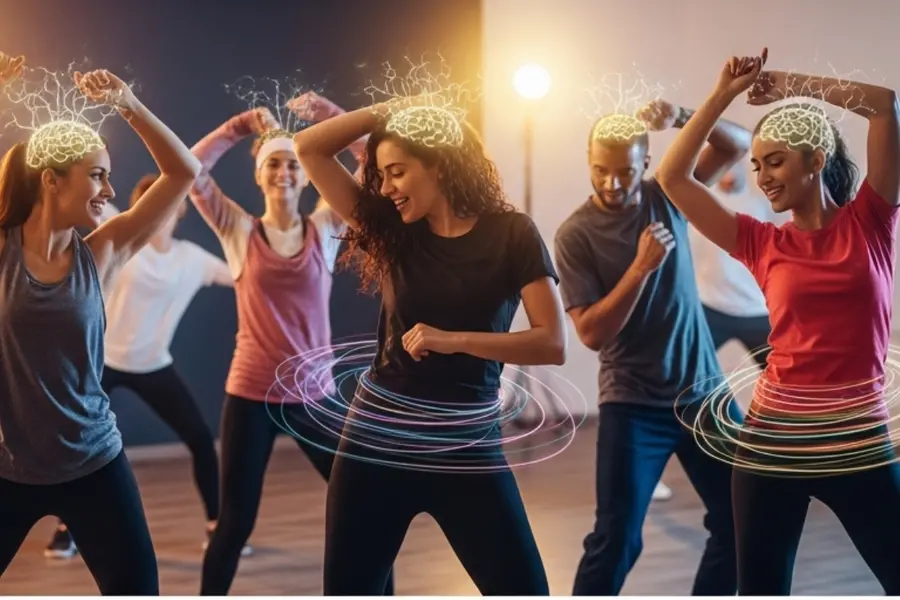
Imagine joining a weekend Zumba class or swaying to your favourite song in the living room after a long day. You may think it’s just fun or exercise, but dancing does much more than move your body—it actively engages your brain, boosts mental health, and strengthens social and emotional connections.
From improving memory and coordination to enhancing creativity and reducing stress, the science behind dance shows that every step and rhythm can have a profound effect on the mind.
Also Read

Dancing stimulates multiple regions of the brain simultaneously. Motor control areas coordinate complex movements, memory centres help retain choreography, and emotional regulation areas support mood balance. Performing intricate steps improves coordination, balance, spatial awareness, and gait.
Over time, regular dancing also promotes neurogenesis—the formation of new neural connections—supporting memory retention and reducing the risk of cognitive decline. Even short, frequent dance sessions can improve mental agility and enhance overall brain health.
Social and emotional impact
Group and partner dances trigger the release of oxytocin, a hormone linked to bonding and trust. Dancing in synchronised formations or with partners fosters feelings of shared purpose, cooperation, and belonging. This social engagement helps reduce loneliness, improves empathy, and encourages collaboration in everyday life.
Creativity and problem-solving
Dance challenges the brain to adapt to new rhythms, explore improvisation, and synchronise movements with music. This process enhances creative thinking, spatial reasoning, and problem-solving skills. Movements that require spontaneity and exploration train the brain to approach challenges more flexibly and develop innovative solutions.
Hormonal and physiological benefits
Movement during dance stimulates the release of dopamine, serotonin, and endorphins, which promote happiness, relaxation, and emotional balance. These hormonal changes also support stress reduction and improve mood regulation, making dance a natural way to maintain psychological well-being.
How different dance styles affect the brain
- Freestyle and contemporary dances: Encourage emotional expression and creative freedom.
- Classical or structured dances: Build discipline, focus, and perseverance.
- Partner dances (salsa, tango): Strengthen emotional bonds, social connection, and teamwork.
Certain expressive and improvisational dance forms are particularly beneficial for individuals experiencing stress, anxiety, or mild depressive symptoms, as they promote emotional release and creative engagement.
Dancing combines physical activity, cognitive stimulation, and social interaction, offering a holistic approach to brain health and mental well-being. From improving memory and coordination to enhancing creativity and social bonding, it is a scientifically supported lifestyle activity that benefits both mind and body.
Published: 10 Mar 2026, 02:32 pm IST
Related Topics
Disclaimer: Kindly avoid objectionable, derogatory, unlawful and lewd comments, while responding to reports. Such comments are punishable under cyber laws. Please keep away from personal attacks. The opinions expressed here are the personal opinions of readers and not that of Mathrubhumi.