

Hepatitis A, a highly contagious virus, is commonly transmitted through contaminated food and water or through direct contact with an infected person
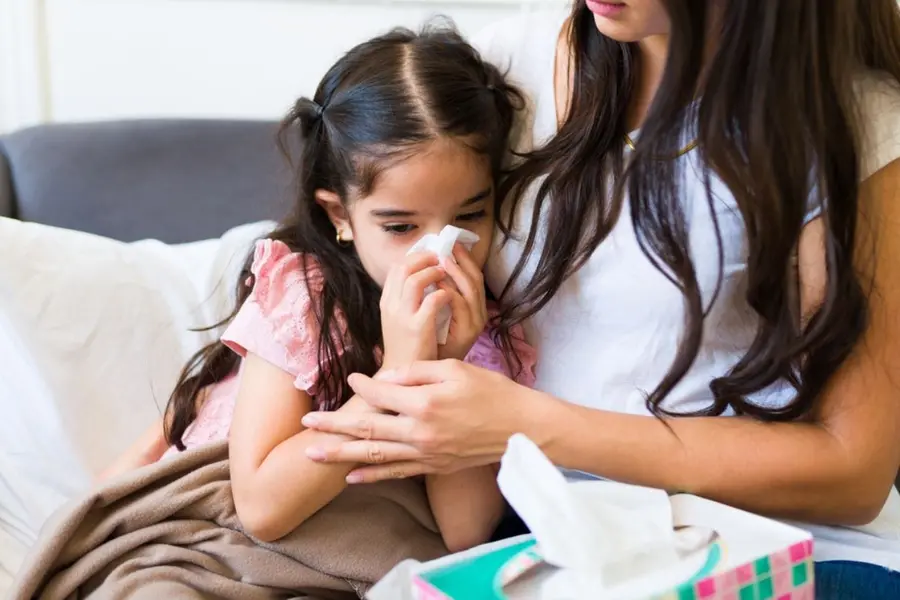
The monsoon season often brings a surge in gastrointestinal infections, particularly hepatitis A, which spreads primarily through the fecal-oral route. Children are especially vulnerable during this time, as poor hand hygiene can easily lead to the unintentional spread of viruses.
Especially children living in unsanitary environments, individuals without access to clean water, and foreign travelers—are at greater risk. The humid and wet conditions of the rainy season provide an ideal environment for bacteria and viruses to thrive.
Hepatitis A, a highly contagious virus, is commonly transmitted through contaminated food and water or through direct contact with an infected person. It can also spread via shared objects like toys, making child-to-child transmission particularly common.
One of the frequent illnesses during the monsoon is liver inflammation caused by such infections. In children, this leads to increased vulnerability and health complications during the season.
In an exclusive talk with Mathrubhumi, Dr Soundarya M, Consultant - Pediatrics, KMC Hospital, Mangalore said that Hepatitis is primarily the inflammation of the liver tissue and the inflammation is mostly due to infection by viruses (hepatitis A, B, C, D, E) and rarely bacteria or parasites. “The main route of transmission for most of these organisms is through the intake of contaminated food and water, except for hepatitis B, which is transmitted through blood and blood products,” he said.
During the monsoons, the rains tend to wash over garbage collections and contaminated rainwater spills into water sources like lakes, ponds, and rivers, which is then treated to reach homes, Dr M added. “The chlorination and treatment process does not completely inactivate the hepatitis viruses, especially hepatitis A and E; hence, direct consumption of this water without further purification can result in hepatitis infection. This is why consumption of food from outside, where the care given to the cleanliness of water used is less, can also result in transmission of the infection,” he said.
It is always advised to purify drinking water either with UV filters or by boiling, which completely inactivates these hepatitis viruses, the doctor said. “Along with this, we should be very careful regarding the food and water consumed from outside. Once care is given to these aspects, there will be no more mysterious rise of hepatitis in the monsoons,”
Dr Ashritha A, Consultant - Pediatric Hepatology and Liver Transplant, Aster Whitefield Hospital, Bengaluru, suggested a few basic ways to deal with the situation during this season.
What can be done for prevention:
- Preventive Measures:
- Promote safe drinking water (boiled/filtered).
- Ensure hand hygiene and food safety practices.
- Encourage hepatitis A vaccination in eligible children.
- Educate parents and communities about early symptoms and the need for timely care.
Hepatitis A vaccines are highly effective in preventing infection. They offer strong immunogenicity, promote long-term immunity, and are affordable, easy to administer, and widely accessible—making them a reliable and practical tool for protection against the virus.
Published: 18 Jul 2025, 03:15 pm IST
ABOUT THE AUTHOR
Related Topics
Disclaimer: Kindly avoid objectionable, derogatory, unlawful and lewd comments, while responding to reports. Such comments are punishable under cyber laws. Please keep away from personal attacks. The opinions expressed here are the personal opinions of readers and not that of Mathrubhumi.