

Sourced from South Korea, Korean monoglycerides were in the news recently in the Tirupati Laddu scam.
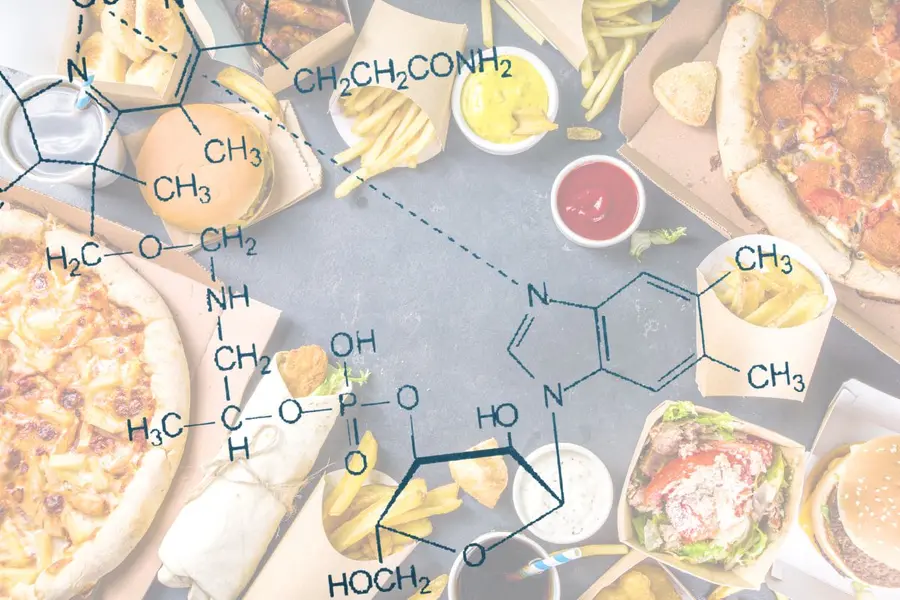
Korean monoglycerides are specialised fatty acid-based compounds, including polyunsaturated types derived from marine algae such as Sargassum Sagamianum. These compounds are used in food as emulsifiers and have recently been flagged in food adulteration investigations.
Sourced from South Korea, Korean monoglycerides were in the news recently in the Tirupati Laddu scam. The Special Investigation Team (SIT) probe revealed that adulterated ghee had been supplied for the manufacture of the Laddu Prasadam at Tirumala. Monoglycerides, a chemical substance, were found to have been used in the ghee supplied by contractors.
The SIT probe found that the adulterated ghee was produced by mixing palm oil, palm kernel oil, monoglycerides, beta-carotene, acetic acid ester, and lactic acid. Monoglycerides were used to make the mixture resemble ghee and to extend its shelf life, as they act as a preservative. These additives were reportedly used to ensure that the product passed laboratory tests as “ghee” while also enhancing appearance and durability.
According to Volza’s monoglycerides import data in India, between June 2024 and May 2025 (TTM), buyers worldwide imported 264 shipments of monoglycerides. India, Mexico, and Vietnam emerged as the top three importing countries, while Malaysia, Denmark, and South Korea were the top three exporters.
Distilled monoglycerides, or distilled glycerol monostearate (GMS), are advanced emulsifiers purified by molecular distillation technology with an active ingredient content of over 90%. They serve multiple functions such as emulsification, dispersion, stabilisation, defoaming, antistatic action, film formation, and starch anti-aging. They are used extensively in food preparations from ice cream to sturdy plastic packaging, and from sweet bread to highly efficient pharmaceutical products. These characteristics make distilled monoglycerides indispensable across food, medicine, and plastics.
Monoglycerides are currently the most used emulsifier globally. They are widely used in the production and processing of bread, biscuits, cakes, pasta, and other wheat-based products. They emulsify and interact with the main ingredients in wheat flour to improve appearance and taste.
They can be further divided into glycerol monostearate, glycerol monolaurate, and glycerol monooleate, with glycerol monostearate being the most widely used.
Monoglycerides are generally oily, fatty, or waxy. Their colour ranges from light yellow to ivory and they are typically tasteless. Mono- and diglycerides of fatty acids are emulsifiers derived from either plant sources (soybean, palm oil) or animal fats (pork, beef). They are not inherently vegetarian or vegan. When derived from vegetable oils, they are vegan; however, they are frequently sourced from animal fats, making them unsuitable for vegetarians and vegans. Monoglycerides and diglycerides are usually derived from pork.
In foods such as beverages, ice cream, candies, and chocolates, distilled monoglycerides improve texture and taste. In ice cream, they make the taste more delicate and smooth; in candies and chocolates, they reduce stickiness, prevent oil-water separation, and enhance gloss and flavour.
Finamul-90, a distilled mono-diglyceride (DMG) made from edible oil, has a variety of applications in low-fat and butter spreads, cakes, breads, biscuits, coffee whiteners, ice cream, and whipping creams. It stabilises liquid emulsions in low-fat spreads and acts as an effective crumb softener in bread, with anti-staling properties. It enhances aeration in cake batters and ensures uniform fat distribution, improving biscuit crispness. Bread remains the largest application for monoglycerides in food technology.
Monoglycerides contain small amounts of trans fats, and prolonged, high consumption has been linked to potential risks of heart disease and stroke. They are often found in processed foods high in sugar, fat, and calories, contributing to general metabolic risks. In India, ghee is widely used in daily cooking (daal, roti, khichdi) and for its high smoke point in frying. While 32.5% of Indian consumers eat ghee daily, consumption is often linked to higher-income groups and brands such as Milma and Nandini. India’s demand for ghee is rising rapidly. The iMARC market intelligence report shows that per capita ghee consumption rose from 2.68 kilograms in 2014 to 3.27 kilograms in 2023–24, and is expected to reach 4 kilograms per person by 2034. Rising demand increases the risk of adulteration and substitution with chemical additives like Korean monoglycerides.
Researchers know relatively little about the health effects of consuming large amounts of monoglycerides. As a type of fat, a diet high in monoglycerides is likely associated with the same long-term risks as triglycerides and trans fats, including heart and circulation conditions.
Monoglycerides are generally safe in small amounts, but regular consumption through processed foods can expose people to hidden trans fats, digestive issues, allergic reactions, obesity, and potential inflammation. The main risk comes not from monoglycerides themselves but from the processed foods in which they are commonly found.
In urban India and Southern States, bakery product consumption is very high, while in North Indian States, desi ghee is used in large quantities, especially in Punjabi dishes. Consumers should inform themselves about ingredients used in food products, as the principle of caveat emptor applies. As Michael Pollan, author and journalist, says: "If it came from a plant, eat it. If it was made in a plant, don't.
The author is former Director General of National Academy of Customs, Indirect Taxes & Narcotics
Published: 04 Mar 2026, 01:49 pm IST
ABOUT THE AUTHOR
Related Topics
Disclaimer: Kindly avoid objectionable, derogatory, unlawful and lewd comments, while responding to reports. Such comments are punishable under cyber laws. Please keep away from personal attacks. The opinions expressed here are the personal opinions of readers and not that of Mathrubhumi.