

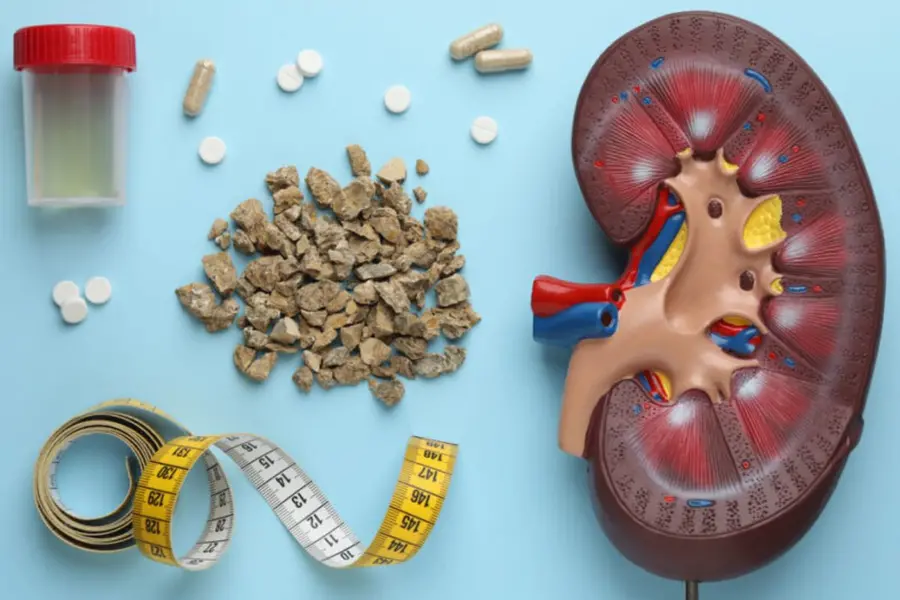
When urine becomes too concentrated, minerals like calcium and uric acid can form solid crystals in the kidneys, known as kidney stones
Mumbai: The monsoon season may bring relief from heat, but it also comes with a surprising downside: the rising cases of kidney stones. Traditionally considered a condition affecting middle-aged men, urinary stones are now being seen in more young adults and women. There is a steady increase in youngsters and women patients presenting with severe pain, recurrent infections, and complications linked to kidney stones. The causes can be a combination of low daily water intake, diets high in salt, and processed foods. Timely management is key to improving the quality of life.
Dr Nasreen Gite, Consultant Urologist, Apollo Spectra Mumbai, said, ‘‘Urinary stones are hard mineral deposits that form in the kidneys when substances like calcium, oxalate, and uric acid become concentrated in the urine. Common symptoms include sharp lower back pain, nausea, blood in the urine, frequent urination, and in severe cases, fever and infection.”
The number of kidney stone cases is rising in young adults and women because people often drink less water as they are outdoors the majority of the time for work, she added.
"Dehydration leads to concentrated urine, which allows minerals to clump together and form stones. This, with modern dietary habits like eating salt-laden processed food, is creating a perfect storm for kidney stone formation,” Dr Gite said.
Giving data, the doctor said that kidney stone-related issues make up nearly 15–20% of urology OPD visits, with a spike of up to 30% during the hot and humid months.
"In the last two months, 10 out of 4 youngsters aged 23-27 and 6 women aged 35-55 presented with kidney stones and complaints such as blood in urine, frequent urination, lower back, belly, or side pain, and even pain while peeing,” she said.
Timely treatment will help to get that much-needed relief. Most small stones can pass with medication and hydration, but larger ones may require procedures like laser lithotripsy or surgical removal, Dr Gite noted.
"Prevention is the key. Simple steps such as drinking enough fluids, reducing salt and processed food intake, and limiting red meat can go a long way in preventing stones. Timely diagnosis not only eases pain but prevents complications like kidney infections or permanent damage. Doctors urge youngsters and women experiencing urinary symptoms to seek timely management,” she said.
One other point to be noted is that kidney stones are a common occurrence in women. Speaking on this worrisome trend, Dr Piyush Singhania, Consultant Urologist, Medicover Hospitals, Kharghar, Navi Mumbai, said that when urine becomes too concentrated, minerals like calcium and uric acid can form solid crystals in the kidneys, known as kidney stones. “During cooler weather, people often drink less water, which leads to dehydration and a higher risk of kidney stones. Eating too much salty or processed food makes the problem worse during this season,” he added.
He also said that in the last two months, out of 10, three youngsters aged 22-27 and four women aged 35-55 came in with severe symptoms like lower back pain, belly or side discomfort, nausea, vomiting, pain while urinating, and sometimes fever. “There is a 20% surge in kidney stone cases. If left untreated, stones can cause repeated infections, kidney swelling, or even long-term kidney damage. The good news is that with timely diagnosis, most stones can be treated with medicines, hydration, or minimally invasive procedures like laser treatment,” Dr Singhania added.
Published: 18 Jul 2025, 07:02 pm IST
ABOUT THE AUTHOR
Related Topics
Disclaimer: Kindly avoid objectionable, derogatory, unlawful and lewd comments, while responding to reports. Such comments are punishable under cyber laws. Please keep away from personal attacks. The opinions expressed here are the personal opinions of readers and not that of Mathrubhumi.