
People who consistently look younger than their age often share one key trait—they avoid everyday lifestyle choices that silently accelerate ageing over time
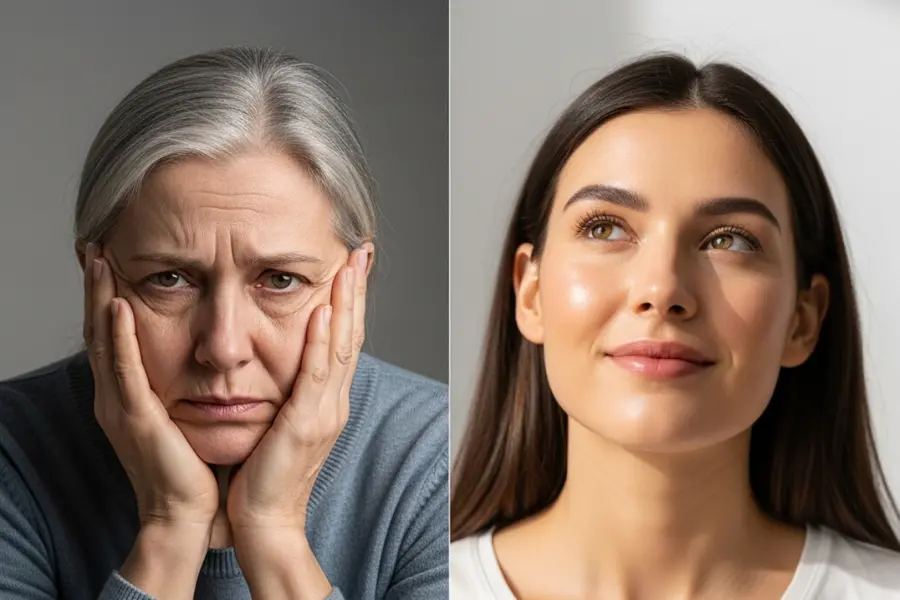
When discussions around looking young arise, genetics and skincare routines usually dominate the conversation. However, people who age well year after year tend to focus less on quick fixes and more on avoiding habits that speed up ageing from within.
Ageing does not happen overnight. It develops through repeated daily behaviours that affect sleep quality, stress levels, posture, skin health, energy, and inflammation. Those who look younger typically make small but consistent choices that protect their body’s ability to recover and repair.
Also Read

Here are eight lifestyle habits people who age well tend to avoid—and why it makes a visible difference over time.
1. Chronic sleep deprivation
Consistently poor sleep disrupts cellular repair, hormone balance, and inflammation control. People who look younger prioritise quality sleep, recognising that dark circles, dull skin, and facial sagging are signs of biological stress rather than cosmetic flaws.
2. Excessive sugar consumption
High sugar intake accelerates skin ageing through glycation, a process that damages collagen and elastin. Those who age well avoid making sugar a daily habit, limiting sugary drinks and constant snacking.
3. Unmanaged chronic stress
Prolonged stress affects facial expressions, posture, digestion, and sleep. People who look younger are not stress-free but actively build recovery into their routines through movement, boundaries, and rest.
4. Sedentary living
Lack of movement reduces circulation, muscle tone, and flexibility. Regular walking, stretching, and light strength training help maintain posture, vitality, and oxygen flow to the skin.
5. Excessive alcohol intake
Alcohol dehydrates the skin, disrupts sleep, and increases inflammation. People who age well tend to drink less or more intentionally, avoiding alcohol as a daily coping mechanism.
6. Poor posture and constant screen use
Prolonged screen hunching weakens muscles, shortens the neck, and contributes to visible ageing. Maintaining posture, taking screen breaks, and keeping the spine mobile help preserve a youthful appearance.
7. Constant social comparison
Chronic comparison fuels dissatisfaction and emotional fatigue. People who look younger often display contentment and emotional ease, which reflects in relaxed facial expressions and energy levels.
8. Relying on short-term fixes instead of long-term habits
Quick solutions rarely deliver lasting results. Those who age well focus on consistent habits—sleep, nutrition, movement, stress management, and routine self-care—over time.
People who look younger are not trying to stop ageing. Instead, they reduce unnecessary damage by aligning daily habits with how the body naturally repairs and recovers. While ageing is inevitable, accelerated ageing is often avoidable—and those choices show long before anyone asks for a birth year.
Published: 05 Jan 2026, 08:43 pm IST
Related Topics
Disclaimer: Kindly avoid objectionable, derogatory, unlawful and lewd comments, while responding to reports. Such comments are punishable under cyber laws. Please keep away from personal attacks. The opinions expressed here are the personal opinions of readers and not that of Mathrubhumi.