
Blood donation can save lives in minutes, but not everyone is eligible at all times. Doctors explain who can donate blood, who needs to wait, and why these rules matter.
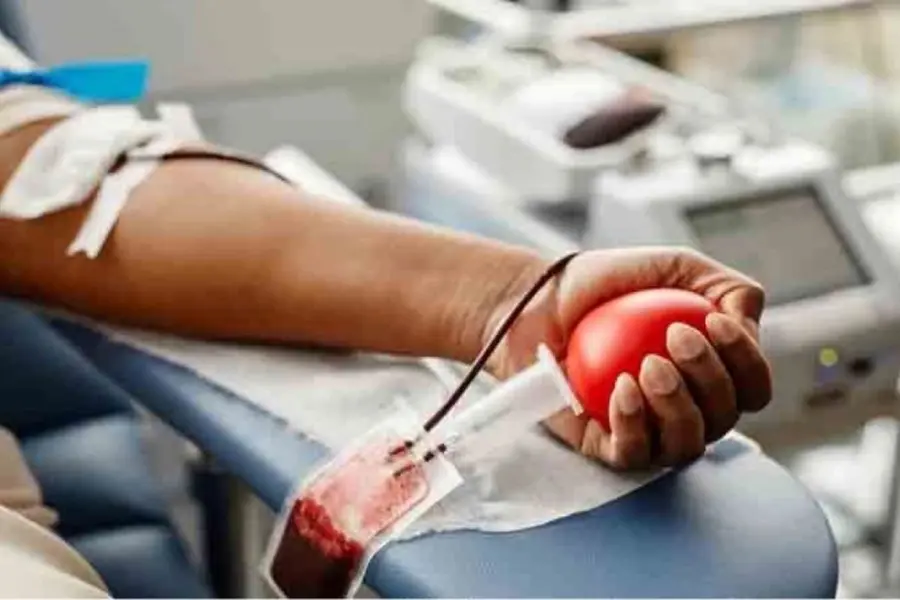
Who can donate blood? It’s a common question, especially during blood shortages and emergency appeals. Medical experts stress that while donating blood is a life-saving act, eligibility criteria are essential to ensure safety for everyone involved.
Doctors explain that blood donation is governed by clear medical guidelines to protect both donors and recipients. Factors such as age, weight, haemoglobin levels, blood pressure, and overall health are carefully assessed before a person is allowed to donate.
Also Read

These checks help ensure that the donor’s body can safely handle the process and that the collected blood meets safety standards for transfusion. Experts also caution that eligibility is not permanent and can change based on recent health events or lifestyle factors.
Temporary deferrals may apply after illnesses, medical procedures, travel to certain regions, or during pregnancy and breastfeeding. Health professionals say these waiting periods are crucial, as they reduce the risk of infections and complications, reinforcing that responsible donation is just as important as the act of donating itself.
Speaking to Mathrubhumi on this issue, Dr Deepa Adiga, Blood Centre Officer at KMC Mangalore, explained that donating blood is a straightforward and safe procedure. The entire process usually takes about 10 to 15 minutes and is conducted using sterile, single-use equipment. Donors are also provided refreshments afterward to help them recover comfortably.
In general, anyone aged between 18 years and up to 60 years can donate blood, provided they meet certain health requirements. A donor’s weight should typically be between 45 and 55 kilograms, and haemoglobin levels must be more than 12.5 gm/dL. If required, haemoglobin testing is done on-site before donation.
Blood pressure should fall within the normal range, and donors must be in good overall health on the day they donate. Frequency also matters. A healthy individual can donate whole blood once every three months. Those opting for single donor platelets may donate up to twice a week, as advised by medical professionals.
However, there are situations when the donation needs to be postponed. People who have recently undergone procedures such as tattoos, piercings, or acupuncture are usually asked to wait six months. Dental work may require a waiting period ranging from 24 hours to one month.
Certain medications, antibiotics, or recent immunisations can also temporarily disqualify a donor. Those experiencing illnesses like colds, flu, sore throat, stomach infections, or any active infection should avoid donating until fully recovered.
Recent surgeries, travel to malaria-risk areas, pregnancy, breastfeeding, and even the menstrual cycle are other conditions where doctors recommend waiting.
After a donation, care is crucial. Donors are advised to drink plenty of fluids, stay hydrated, avoid strenuous activity for the day, and refrain from smoking or consuming alcohol. These steps help the body recover quickly and safely.
Published: 08 Jan 2026, 02:43 pm IST
Related Topics
Disclaimer: Kindly avoid objectionable, derogatory, unlawful and lewd comments, while responding to reports. Such comments are punishable under cyber laws. Please keep away from personal attacks. The opinions expressed here are the personal opinions of readers and not that of Mathrubhumi.