
Tattoos are more mainstream than ever, but the science behind them is still catching up, here's what's actually known about infections, allergies, and a possible cancer link.
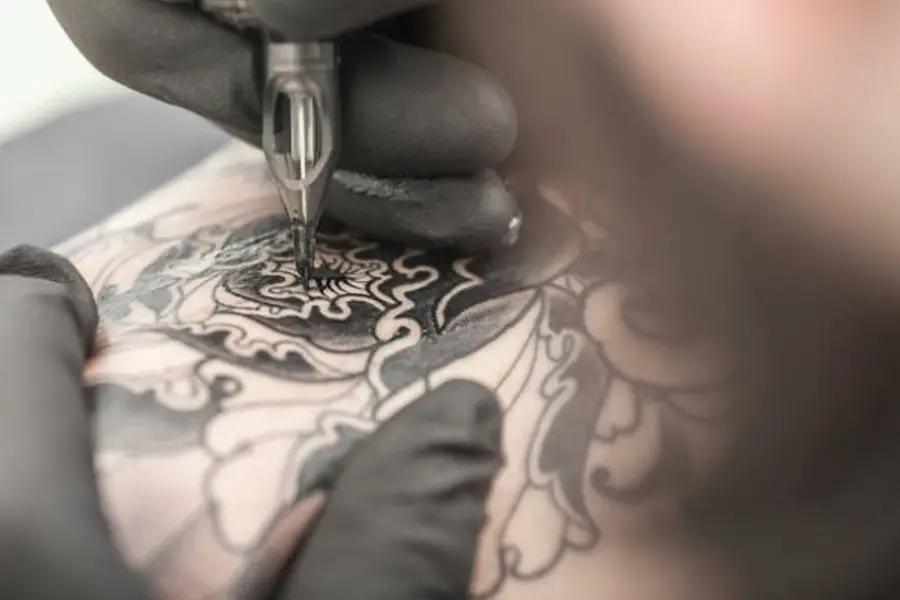
Getting inked has gone from taboo to totally ordinary, but that doesn't mean researchers have all the answers about what a tattoo does to your body long-term. Experts agree the honest answer right now is- it's complicated.
What actually happens when you get tattooed
A tattoo artist's needle pushes ink 1 to 3 millimeters into the skin that can trigger everything from immune flare-ups to bacterial infections.
John Swierk, a chemist at Binghamton University, says the field simply isn't ready to declare tattoos safe or unsafe, the ongoing research is meant to get closer to that answer.
How common are complications, really?
Estimates are all over the map, with studies suggesting anywhere from 2% to 67% of people run into some kind of issue. One clinic-based study in Denmark, involving a few hundred tattooed people, found that bacterial infections accounted for about 11% of complications, while allergic reactions made up 37%.
Infections tend to show up within days, bringing redness, drainage, and fever, and usually require antibiotics, according to New York City dermatologist Dr. Marie Leger. The culprit can be contaminated equipment, bacteria already on the skin, or the ink itself in 2012 scientists traced an infection outbreak back to bacteria in a still-sealed ink bottle.
More recently, FDA researchers testing over 200 inks found bacterial contamination in 35% of them, including ones marketed as sterile.
Allergic reactions are a different story, often triggered by aftercare products applied while the skin is freshly wounded and extra sensitive. These usually appear as redness or itching and can be managed with topical treatment, Dr. Leger notes.
Also Read: The chilli and salt ice challenge is everywhere; But what does it do to your body?
The allergy that shows up years later
Some ink allergies don't surface for months or even years, and Dr. Leger says they disproportionately involve red pigments, so a reaction might flare up specifically within the red petals of a rose tattoo but leave the green stem untouched. In more serious cases, doctors may recommend removing the affected skin layer entirely.
Yale dermatologist Dr. Christopher Bunick adds that other delayed immune responses can appear as raised bumps within existing tattoos, sometimes persisting for months or years, typically managed with topical steroids.
Part of the mystery, experts say, is that ink labels often don't disclose everything inside the bottle. A 2024 study led by Dr. Swierk found that 83% of tested inks contained pigments or additives that weren't listed anywhere on the packaging. The EU restricts certain tattoo ink ingredients, but U.S. regulation remains limited to FDA manufacturing guidance rather than hard rules.
Is there a cancer connection?
This is where things get genuinely uncertain. Some tattoo ink has been shown to migrate into the lymph nodes, and scientists are now investigating whether the ink's chemistry or the body's immune response to it could play a role in cancer development.
A 2024 study led by Lund University epidemiologist Christel Nielsen found tattooed individuals may face a somewhat elevated lymphoma risk.
But Dr. Nielsen is careful to point out that baseline lymphoma risk is already very low, and a statistical increase doesn't prove tattoos are the cause though she believes the question deserves more research. Other studies on lymphoma and skin cancer risk have come back inconclusive.
Dr. Leger echoes that caution, it's a question worth taking seriously, without a clear answer yet either way.
Also Read: Why India's tattoo culture looks like carrying home
How to lower your risk
- Before getting tattooed, check the skin has no open sores
- After getting tattooed, keep it clean and shield from sun exposure
- Consider avoiding red pigments if allergy risk worries you
- See a doctor if you notice infection symptoms or skin texture changes even years later
- Choose an experienced, reputable artist
At the end of the day, this comes down to a personal call, one made with open eyes about the parts science still can't fully explain.
Published: 27 Sept 2026, 02:47 pm IST
ABOUT THE AUTHOR

Related Topics
Disclaimer: Kindly avoid objectionable, derogatory, unlawful and lewd comments, while responding to reports. Such comments are punishable under cyber laws. Please keep away from personal attacks. The opinions expressed here are the personal opinions of readers and not that of Mathrubhumi.