
Beneficial for seniors, those with limited mobility, and even office workers, it improves strength, flexibility, balance, and stress levels
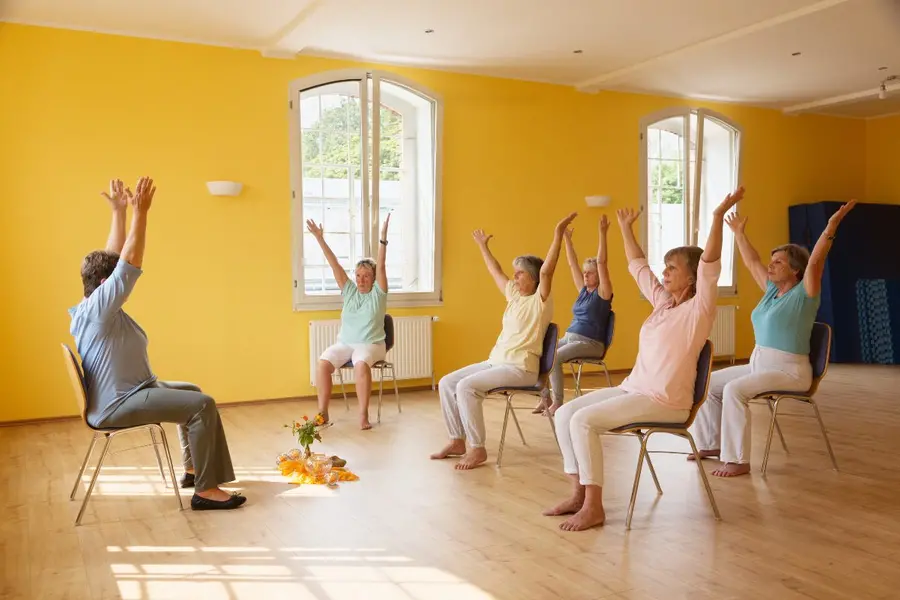
Washington: As the global population ages and people seek accessible ways to stay fit, chair yoga has quietly emerged as a popular and powerful offshoot of traditional yoga.
With its blend of movement, mindfulness, and adaptability, this gentle form of exercise is proving especially beneficial for older adults, people with limited mobility, and even office workers.
A modern twist on an ancient practice
While yoga has been around for over 5,000 years, traditionally practiced on mats on the floor, chair yoga is relatively new. It was introduced in 1982 by yoga instructor Lakshmi Voelker, who adapted standard poses for one of her students suffering from arthritis and unable to move easily on the floor. That moment led to a new kind of yoga one that meets people where they are, quite literally in their chairs.
Voelker is now recognised as a pioneer in this space and has co-authored a book on the subject, guiding many others to explore the practice.
Who benefits from chair yoga?
Chair yoga is not just for older adults, though it offers enormous advantages for them. It’s ideal for anyone looking for a low-impact workout, especially those recovering from injury, living with chronic pain, or simply wanting a more accessible form of exercise.
That said, older adults, particularly older women at risk of osteoporosis, stand to gain the most. The practice helps build strength, improve flexibility, and maintain balance, all crucial for preventing falls and fractures.
In fact, every major part of the body is engaged during a chair yoga session. The spine, hips, legs, and core all benefit. The movements are designed to be gentle, but effective enough to relieve stiffness and reduce pain related to arthritis, joint issues, and age-related conditions.
Beyond the physical: A holistic experience
Chair yoga is more than just physical movement. Like traditional yoga, it includes mindful breathing, stress relief, and relaxation. These aspects are fully adaptable to the chair format.
Many people are surprised to learn how easily traditional poses can be modified. And while some find regular yoga intimidating, chair yoga removes those barriers, making the practice feel welcoming and inclusive.
The science behind the benefits
There’s growing research supporting the effectiveness of chair yoga. A 2012 study found that just 15 minutes of chair yoga led to noticeable improvements in stress levels, both physical and psychological.
Another study, published in the journal Healthcare in April 2023, found that chair yoga helped ease knee osteoarthritis in women over 65, improving both mobility and comfort.
It’s also gaining traction in offices. Desk-bound workers can incorporate basic chair yoga poses into their day without leaving their workstation to improve posture and reduce back and neck strain.
Why more women than men?
Interestingly, women remain the dominant demographic in yoga classes, including chair yoga. According to the US Centers for Disease Control and Prevention (CDC), women are twice as likely as men to practice yoga.
This trend contrasts with yoga’s early history; in ancient India, yoga was reserved only for men. However, when yoga gained popularity in the West during the 1960s and 1970s, it became linked to the hippie counterculture and later the fitness industry, where marketing largely targeted women. From VHS tapes to DVDs, at-home yoga evolved into something more mainstream and more feminine in its image.
Chair yoga might look simple, but it’s far from easy and its benefits are wide-ranging.
Whether you’re a senior hoping to maintain mobility, someone with a chronic condition, or simply seeking a mindful break during your workday, chair yoga offers a safe, effective, and inclusive way to care for your body and mind.
(AP inputs)
Published: 21 Jun 2025, 02:08 pm IST
Disclaimer: Kindly avoid objectionable, derogatory, unlawful and lewd comments, while responding to reports. Such comments are punishable under cyber laws. Please keep away from personal attacks. The opinions expressed here are the personal opinions of readers and not that of Mathrubhumi.
