
From aesthetic kitchen videos to slow recipe tutorials, food content now offers emotional comfort, not just instruction
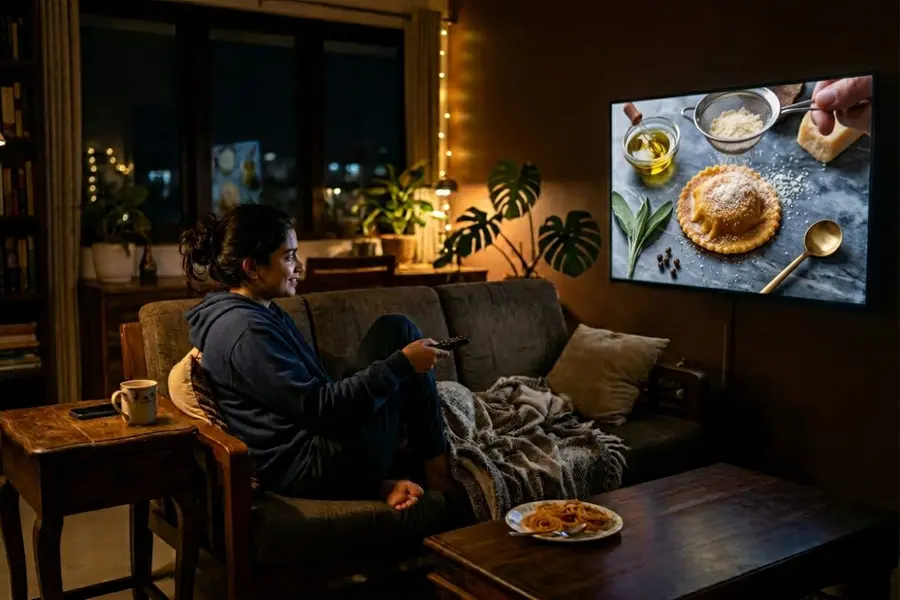
Millions of people now spend hours every week watching food content online, from sizzling garlic butter reels and midnight ramen videos to elaborate baking tutorials and calming “cook with me” clips. But interestingly, many of them never actually make the recipes they save.
Cooking videos have quietly become one of the internet’s favourite forms of comfort content, even for people who rarely enter the kitchen.
Whether it is scrolling through endless Instagram food reels during lunch breaks or watching YouTube recipe channels late at night, viewers are increasingly consuming cooking content less for instruction and more for emotion, relaxation and escapism.
And in many ways, food videos are no longer just about food.
Cooking content has become digital comfort
For many young people, cooking videos now serve the same purpose as comfort television once did.
The soft chopping sounds, sizzling pans, neatly arranged ingredients and warm lighting create a strangely calming experience, especially after stressful workdays or endless scrolling through chaotic news and social media debates.
Unlike fast-paced internet content, many cooking videos feel slower and more soothing. There is a beginning, middle and end. Something messy becomes organised. Raw ingredients become a complete meal. The process feels satisfying to watch, even if viewers never attempt it themselves.
This is one reason why “silent cooking videos”, “aesthetic kitchen routines” and slow-paced recipe channels have exploded online over the past few years.
Watching food has become easier than making it
Modern lifestyles also play a major role.
Many urban young adults love the idea of cooking more than the reality of it. Actual cooking requires time, planning, groceries, energy and cleanup, all of which can feel exhausting after long workdays or commutes.
Watching someone else cook, however, offers the emotional reward without the effort.
People get to experience:
- The visual satisfaction of food preparation
- The comfort of homemade meals
- The fantasy of an organised lifestyle
- The creativity of cooking
all without washing a single utensil.
In this way, cooking videos have become aspirational lifestyle content as much as instructional content.
Saved recipes are becoming a digital graveyard
One relatable internet habit today is saving recipes that never get made.
Many users now have folders full of:
- Pasta recipes
- Air fryer hacks
- Korean food tutorials
- Healthy breakfast ideas
- Elaborate desserts
that they fully intended to try “someday”.
But for many viewers, saving the video itself already provides a small sense of productivity or inspiration, even if the cooking never happens.
Psychologists often describe this as “aspirational consumption”, where people emotionally enjoy the idea of a future version of themselves who cooks regularly, eats healthily or hosts aesthetic dinners.
Food videos now feel like lifestyle fantasy
A large portion of modern cooking content is not actually designed for practical cooking.
Instead, it sells a feeling.
The internet’s most popular food creators often combine:
Beautiful kitchens, cosy music, morning routines, soft lighting, minimalist interiors, attractive plating into a complete lifestyle aesthetic.
Viewers are not just watching recipes. They are watching a fantasy of calm, organised living.
This is especially appealing to young urban audiences dealing with burnout, overcrowded schedules and constant digital stimulation.
Why cooking videos work so well on social media
Food content performs extremely well online because it is universally understandable.
Unlike niche hobbies or complicated discussions, everyone relates to eating. Cooking videos also create instant sensory engagement through visuals and sound.
Platforms like Instagram, TikTok and YouTube heavily reward:
- close-up visuals
- repetitive motions
- satisfying textures
- sizzling audio
- dramatic cheese pulls
- quick transformations
As a result, cooking content fits perfectly into modern short-form algorithms.
The rise of “background watching”
Another reason cooking videos are booming is because people increasingly use them as background comfort.
Many viewers now play long-form cooking channels while:
- studying
- cleaning
- working from home
- eating alone
- falling asleep
The videos create a feeling of quiet companionship without demanding full attention.
In a highly overstimulating internet environment, cooking content often feels gentler and emotionally safer than many other forms of entertainment.
The pandemic changed how people view food content
The COVID-19 lockdown years also permanently changed online food culture.
During lockdowns, millions of people turned to baking videos, café-style coffee tutorials and homemade comfort food content as a way to cope with stress and uncertainty.
Even after normal life resumed, the emotional attachment to food content remained.
For many people, cooking videos still carry associations of comfort, slowing down and emotional escape.
But are people actually cooking less?
Interestingly, the popularity of cooking videos does not always translate into more cooking.
Many viewers consume food content more like entertainment than education.
Some young adults admit they watch recipe videos daily while continuing to rely on:
- takeaways
- instant meals
- quick commerce deliveries
- café food
- ready-to-eat snacks
The internet has effectively separated the enjoyment of watching food from the effort of preparing it.
Cooking videos are filling an emotional gap
At its core, the popularity of cooking content reflects something deeper about modern digital life.
People are increasingly searching online for:
- calmness
- routine
- comfort
- softness
- sensory satisfaction
- emotional escape
Cooking videos happen to combine all of those things in one place.
In a world dominated by overstimulation, doomscrolling and productivity pressure, watching someone slowly make soup or knead dough can feel oddly therapeutic.
Food content is no longer just about recipes
The rise of cooking videos shows how internet behaviour has evolved. Food content today is not simply instructional. It is emotional, aesthetic and deeply tied to how people want to feel.
For some viewers, these videos inspire actual cooking. For others, they simply offer a few peaceful minutes during a stressful day.
Either way, millions continue to press play, even if they never turn on the stove themselves.
Published: 21 May 2026, 04:45 pm IST
Related Topics
Disclaimer: Kindly avoid objectionable, derogatory, unlawful and lewd comments, while responding to reports. Such comments are punishable under cyber laws. Please keep away from personal attacks. The opinions expressed here are the personal opinions of readers and not that of Mathrubhumi.
