
Here are five cat breeds and types worth considering, along with their personalities, grooming needs and suitability for first-time owners
If you've decided that this is finally the year you're getting a cat, the internet has probably already given you a hundred options. Persian, Siamese, British Shorthair... While personality differs from one cat to another, some breeds are easier to live with than others because of their temperament, coat and activity levels.
For Indian homes, the weather is another thing worth considering. A cat that needs a lot of grooming or has a heavy coat may need more care in a hot and humid city than a short-haired cat.
Here are five breeds and types of cats that first-time owners can consider
Indian Domestic Shorthair, or the Indie cat
If you're looking for a cat that is already well suited to life in India, don't overlook the cats you see in neighbourhoods, shelters and rescue centres.
The Indian domestic shorthair, often simply called an Indie cat, isn't a pedigree breed in the same way as a Siamese or British Shorthair. These cats come in different colours, patterns and personalities. They are also generally short-haired, which means grooming is relatively simple compared with a long-haired cat.
For a first-time owner, an adult Indie cat can be a particularly good option because you can get a better idea of its personality before bringing it home. That individual personality can tell you far more about whether you'll get along than a breed label alone. Animal welfare organisations also point out that cats have very different characters, and the right match depends on your household and lifestyle.
For someone living in a hot part of India and looking for a relatively straightforward companion, an Indie cat is certainly worth considering.
British Shorthair
There is a reason British Shorthairs are often described as looking like teddy bears. They have a solid build, round features and a thick, plush coat. But underneath that serious expression is generally a calm and easy-going personality.
The Cat Fanciers' Association describes the breed as calm and quiet, with a short coat that is relatively easy to care for. British Shorthairs tend to enjoy being around their people without necessarily demanding constant attention.
They are also known for being patient and can adapt well to households with children and other pets, although they may prefer not to be carried around.
That makes them a good fit for someone who wants a companion but isn't looking for a cat that needs to be involved in every single activity.
There is one thing to remember in India: their coat is dense. A British Shorthair living in a particularly hot city needs a cool, comfortable indoor environment and sensible grooming.
Siamese
If your idea of a cat is one that actually has something to say, a Siamese might be right up your street.
Siamese cats are affectionate, active and famously vocal. The Cat Fanciers' Association describes them as cats that like being closely involved with their humans and are not shy about making their wishes known. They have short coats, so grooming isn't particularly complicated.
This can work well for someone who wants a social pet and has enough time to interact with it.
A Siamese isn't necessarily the best choice if you want a cat that will quietly sleep on the sofa while you're busy all day. They tend to enjoy company and stimulation.
If you've always wanted a pet that will greet you after work and then have a very strong opinion about dinner, the Siamese may be your kind of cat.
Russian Blue
The Russian Blue is a good option for someone who likes a quieter home.
These cats have a short, dense coat and are generally described as graceful, playful and quiet. The Cat Fanciers' Association says they can be affectionate once they get to know their people, while some may initially be cautious around strangers. Their grooming needs are also fairly modest, with occasional combing enough to help control shedding. They also don't need a huge home to be comfortable, although they do need opportunities to play and use their minds.
Puzzle toys and interactive games can help keep them occupied. For an apartment dweller who wants a relatively quiet cat and is happy to give it time to settle in, a Russian Blue could be a good match.
Bombay
The Bombay is another short-haired option, and its shiny black coat and striking eyes make it hard to miss.
Despite the name, the modern Bombay breed was developed in the United States. The Cat Fanciers' Association describes Bombay cats as playful, affectionate and people-oriented, with a personality that suits family life.
Their short coat also means you won't be spending your evenings trying to untangle knots from a giant ball of fur.
Bombays tend to enjoy human company, so they may suit someone who wants an interactive pet rather than a cat that spends most of the day doing its own thing. As with any breed, though, individual temperament matters. A quiet Bombay and a very energetic Bombay can both exist, so spending time with the actual cat before making a decision is always useful.
What about Persian cats?
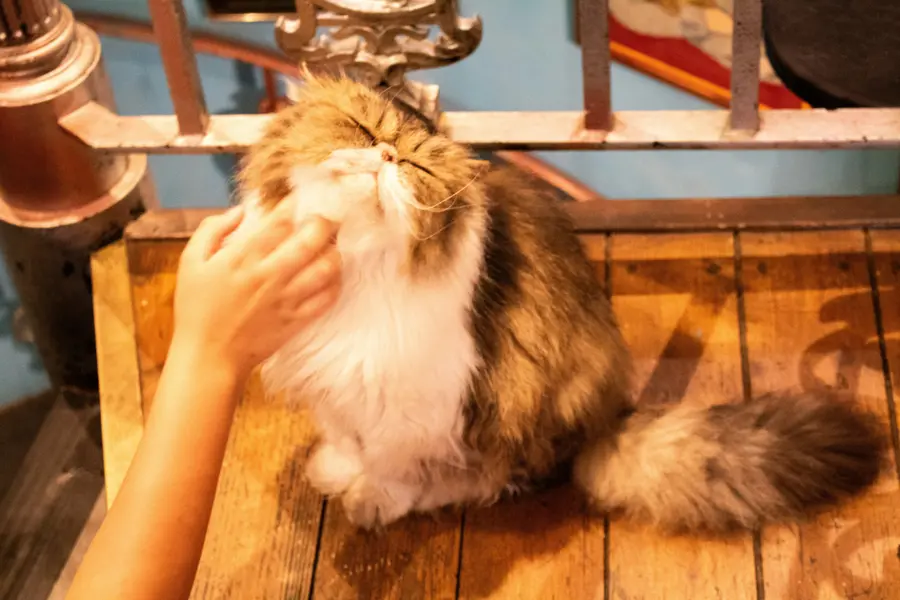
Persian cats are incredibly popular in India, and their calm personalities and fluffy coats are certainly appealing. But if you're a first-time owner looking for the easiest possible start, they shouldn't automatically be at the top of the list.
Their long coat requires regular grooming, while their flat facial structure can be linked with breathing, dental, eye and skin problems. Veterinary guidance in India also highlights the additional grooming and care Persian cats may need in hot, humid and polluted environments.
This obviously doesn’t mean shouldn't have a Persian. But you should know that the beautiful coat and distinctive face come with extra responsibilities.
Before bringing any cat home, think about your own routine. How many hours will the cat be alone? Is your home noisy or quiet? Do you have children or other pets? Can you manage regular grooming and veterinary costs? Will you keep the cat indoors?
Also Read: Can dogs, cats eat human food? Here's what's safe and what's not
Also, don't make the decision based only on photographs. A kitten's breed doesn't tell you everything about its future personality. Early experiences, socialisation, genetics and the way a cat is treated all play a role in how its personality develops.
And don't automatically assume that a kitten is easier. Kittens need plenty of attention, patience and socialisation, while an adult cat may already have a more settled personality.
Animal welfare organisations note that older cats can require less energy and attention than kittens, and their established personalities can make it easier to find a good match.
(Disclaimer: This article is for general informational purposes only. Before adopting or buying a pet, consider your home, lifestyle, budget and ability to provide long-term care. For specific advice about a cat's health, diet or behaviour, consult a qualified veterinarian.)
Published: 08 Aug 2026, 11:22 am IST
ABOUT THE AUTHOR

Disclaimer: Kindly avoid objectionable, derogatory, unlawful and lewd comments, while responding to reports. Such comments are punishable under cyber laws. Please keep away from personal attacks. The opinions expressed here are the personal opinions of readers and not that of Mathrubhumi.