
From Maharashtra's anarsa to Odisha's chhena poda, here are 8 traditional regional Indian sweets that deserve a place on your Diwali platter.
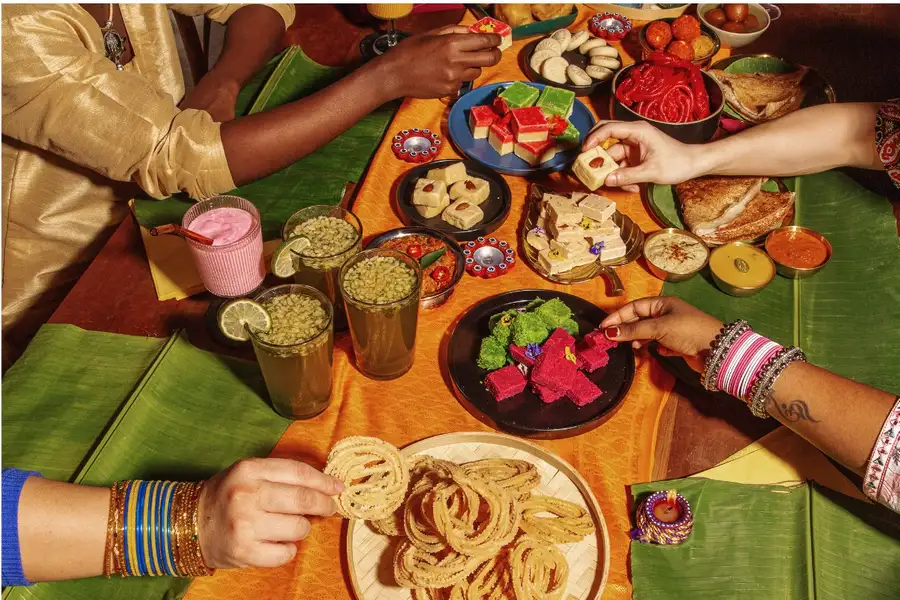
Kaju katli, laddoos and gulab jamun may be the usual Diwali favourites, but they are only a small part of India's sweet-making traditions. Every region has its own festive preparations, made with local ingredients and recipes passed down through families.
This Diwali, here are a few regional treats worth getting to know.
Also Read: Beyond sweets and dry fruits: 5 Diwali gifts from Indian brands that deserve a spot on your list
Anarsa from Maharashtra
Made with rice flour and jaggery, anarsa is a traditional Maharashtrian sweet. The dough is prepared using soaked and ground rice, mixed with jaggery and left to rest. It is then shaped into small discs, coated with poppy seeds and deep-fried. The sweet is a crisp, golden sweet with a slightly chewy centre. Anarsa is a familiar part of the Diwali faral spread in Maharashtra.
Mohanthal from Gujarat
If you enjoy rich, melt-in-the-mouth Indian sweets, mohanthal is worth trying. This Gujarati speciality is made with gram flour, ghee and sugar, with khoya and nuts often added for extra richness. It has a slightly grainy texture and is flavoured with cardamom. Unlike many milk-based mithais, its roasted gram flour gives it a distinct nutty taste.
Pootharekulu from Andhra Pradesh
Often called paper sweet, pootharekulu is unlike most Indian mithai. It is made using extremely thin rice starch sheets, which are layered with ghee, powdered sugar or jaggery and sometimes chopped nuts. The sheets are folded into delicate parcels that almost melt in the mouth. Atreyapuram in Andhra Pradesh is particularly known for this speciality.
Somas from Tamil Nadu
A popular homemade treat during Deepavali, somas are crisp, crescent-shaped pastries with a sweet filling. The outer covering is made with flour, while the filling usually combines roasted gram, grated coconut, sugar and cardamom. Some families also add cashews and raisins. The pastries are folded, sealed and deep-fried until golden and crunchy. A little different from the usual mithai, somas are a familiar part of traditional Tamil festive preparations.
Chhena Poda from Odisha
Odisha's chhena poda is a sweet worth discovering, especially if you enjoy desserts with a caramelised finish. Made with fresh chhena (a type of Indian cottage cheese), sugar, semolina and cardamom, the mixture is traditionally baked until the outside develops a deep brown crust. The inside remains soft, moist and slightly grainy. Often described as Odisha's signature dessert, chhena poda has a lovely balance of sweetness and a subtle burnt-caramel flavour. It is a refreshing change from the usual milk-based mithai found in Diwali gift boxes.
Khaja from Bihar
This traditional delicacy is made by layering thin sheets of dough, which are then rolled, cut and deep-fried until crisp. The pastry is dipped in sugar syrup, giving it a sweet coating while retaining its light, flaky texture. Silao, a town near Nalanda, is particularly famous for its khaja, which has also received a Geographical Indication (GI) tag.
Narkel Naru from West Bengal
For something simple but full of flavour, try narkel naru. These little coconut balls are made by cooking grated coconut with jaggery or sugar until the mixture comes together. They are then shaped into small rounds and allowed to cool. Narkel naru is particularly associated with Bengali festive celebrations, including Kali Puja, which coincides with Diwali in many parts of the state.
Kozhikode Halwa from Kerala
This glossy, chewy sweet is made using flour, sugar and coconut oil, with different versions featuring flavours such as banana, dates and dry fruits. The dark-coloured variety is particularly recognisable.
Published: 08 Nov 2026, 11:18 am IST


ABOUT THE AUTHOR

Related Topics
Disclaimer: Kindly avoid objectionable, derogatory, unlawful and lewd comments, while responding to reports. Such comments are punishable under cyber laws. Please keep away from personal attacks. The opinions expressed here are the personal opinions of readers and not that of Mathrubhumi.