
Matcha's rise in popularity is partly due to its unique taste, rich, grassy, and slightly bitter, and its health benefits.
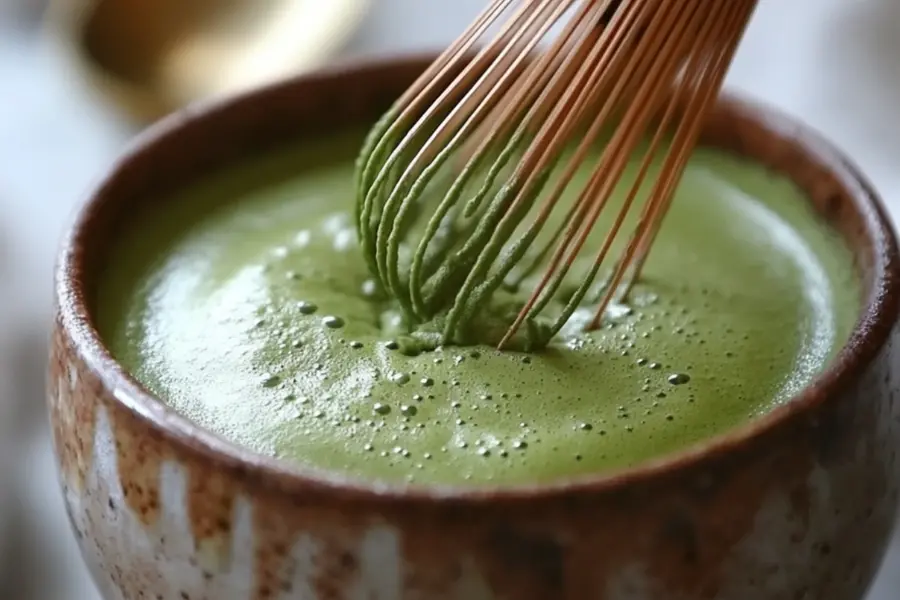
Matcha is a vibrant green powdered tea from Japan that has become a global sensation, particularly among wellness enthusiasts, social media influencers, and tea lovers. But what exactly is matcha, and why is it so popular?
The term matcha means “ground tea” in Japanese. While green tea was introduced to Japan from China as early as the 9th century, originally for medicinal purposes, matcha, as it’s known today, emerged in the 16th century in Kyoto. It became a central part of the Japanese tea ceremony under the influence of tea master Sen no Rikyu.
How Matcha is made
Matcha is made from tencha leaves, which are specially grown in the shade for several weeks before harvest. This shading process boosts the leaves’ chlorophyll content, resulting in their vivid green colour and high levels of L-theanine, a compound known for its calming effects.
After being hand-picked, the leaves are deveined, steamed, and dried. They are then stone-ground into an ultra-fine powder. Producing just 40 grams of matcha can take up to an hour, making it more labour-intensive and expensive than regular green tea.
Matcha comes in various grades:
- Ceremonial Grade: the highest quality, used in traditional tea ceremonies.
- Culinary Grade: suitable for cooking and baking.
It can be prepared by whisking with hot water or combined with milk to make lattes, and is often featured in desserts and smoothies.
Why it's popular
Matcha's rise in popularity is partly due to its unique taste, rich, grassy, and slightly bitter, and its health benefits. It’s packed with antioxidants and contains about 48 mg of caffeine per serving, more than regular green tea but less than coffee.
Its appeal also lies in the culture surrounding it: the ritual of preparation, the aesthetics of the tools used, and its connection to traditional Japanese practices.
Japan produced 4,176 tonnes of matcha in 2023, nearly triple the amount produced in 2012. More than half is exported, mainly to the U.S., Southeast Asia, Europe, Australia, and the Middle East.
On platforms like TikTok and Instagram, millions of videos show how to make matcha drinks, demonstrating its appeal to younger generations, who have driven much of the trend through social media.
Matcha isn’t just a drink. It’s used in everything from cakes to noodles and is often bought as a premium gift item.
As Shigehito Nishikida of Tokyo’s Jugetsudo tea shop puts it: “Some people enjoy drinking it, others love preparing it, and many buy it as a gift, Japanese matcha is always appreciated.”
Published: 26 Jun 2025, 10:21 am IST
Disclaimer: Kindly avoid objectionable, derogatory, unlawful and lewd comments, while responding to reports. Such comments are punishable under cyber laws. Please keep away from personal attacks. The opinions expressed here are the personal opinions of readers and not that of Mathrubhumi.
