
Three people affected in the Kochi incident have tested positive for Shigella, a highly contagious bacterium that spreads through contaminated food, water or poor hygiene.
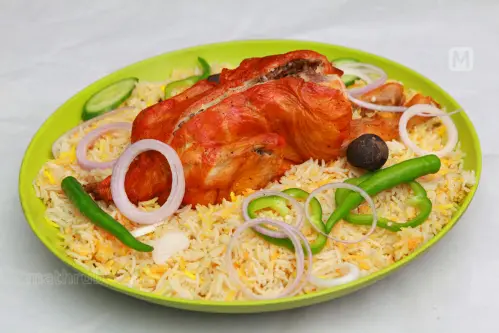
Nearly 30 people reportedly suffered severe food poisoning after eating kuzhimandi at a popular restaurant in Kochi, once again putting one of Kerala's favourite dishes under the spotlight. Twelve people are undergoing treatment at a private hospital in Kadavanthra, while several others sought care at different hospitals across the city.
Health officials have confirmed Shigella infection in three patients, while preliminary findings indicate that the mayonnaise served with the meal is suspected to have been the source of contamination. Samples of the food and condiments have been sent for laboratory analysis, and the investigation is continuing.
Although kuzhimandi has often come under scrutiny following similar food poisoning incidents in Kerala, food safety experts say the dish itself is rarely the problem. More often, contamination occurs because of poor food handling, improper storage, undercooked meat or unsafe mayonnaise.
What Is Kuzhimandi?
Kuzhimandi is Kerala's adaptation of the traditional Yemeni dish mandi, which is cooked in a clay oven or pit. The word "kuzhi" means pit in Malayalam, giving the dish its local name.
Traditionally, fragrant rice is slow-cooked using stock from marinated chicken or mutton. The meat is suspended above the rice, allowing its juices to drip down during cooking, creating the dish's signature flavour.
Kerala's version typically includes biryani rice, chicken or mutton, Arabian spice blends, dried lemons and saffron, along with locally preferred spices such as cardamom, cinnamon, cloves, pepper, cumin, bay leaves and coriander powder.
When can Kuzhimandi become unsafe?
Food safety specialists say several factors can turn an otherwise safe dish into a health hazard.
One of the biggest risks is improper cooking. Arabian-style grilled meat requires slow and even cooking. If the temperature is too high, the outside may appear fully cooked while the inside remains undercooked, allowing harmful bacteria to survive.
The quality of the meat is equally important. Meat that is not fresh or is stored at unsafe temperatures before cooking can become contaminated with disease-causing bacteria.
Cross-contamination is another common problem. At busy restaurants, grills are often used continuously for multiple batches of meat. If the fat and food residue left behind are not cleaned between batches, or at the end of the day, bacteria can multiply and contaminate freshly cooked food.
Improper storage after cooking is another concern. Cooked rice and meat left at room temperature for long periods can become breeding grounds for bacteria if they are not kept hot or refrigerated quickly.
Is Mayonnaise the real culprit?
In many food poisoning outbreaks linked to kuzhimandi, investigators have found that the accompanying mayonnaise, not the rice or meat, was responsible.
Traditional mayonnaise is prepared using raw eggs, which can carry bacteria such as Salmonella if proper hygiene is not followed. Eggs should be thoroughly cleaned before use, and the mayonnaise must be prepared under hygienic conditions and stored at safe temperatures.
Health officials probing the Kochi incident suspect the mayonnaise may have caused the contamination, although laboratory tests are still underway.
What is Shigella?
Three people affected in the Kochi incident have tested positive for Shigella, a highly contagious bacterium that spreads through contaminated food, water or poor hygiene.
The infection commonly causes diarrhoea, stomach cramps, fever, vomiting and dehydration. Young children, older adults and people with weakened immune systems are particularly vulnerable to severe illness.
How can consumers stay safe?
Experts recommend choosing restaurants that maintain high food safety standards and avoiding eating food that appears stale or has been left unrefrigerated for long periods. Meat should be thoroughly cooked, and mayonnaise should ideally be freshly prepared and properly refrigerated.
Consumers should also avoid dishes that have been sitting out for extended periods and seek medical attention immediately if they develop persistent vomiting, diarrhoea or signs of dehydration after eating.
Published: 16 Jul 2026, 10:57 am IST
Related Topics
Disclaimer: Kindly avoid objectionable, derogatory, unlawful and lewd comments, while responding to reports. Such comments are punishable under cyber laws. Please keep away from personal attacks. The opinions expressed here are the personal opinions of readers and not that of Mathrubhumi.
