
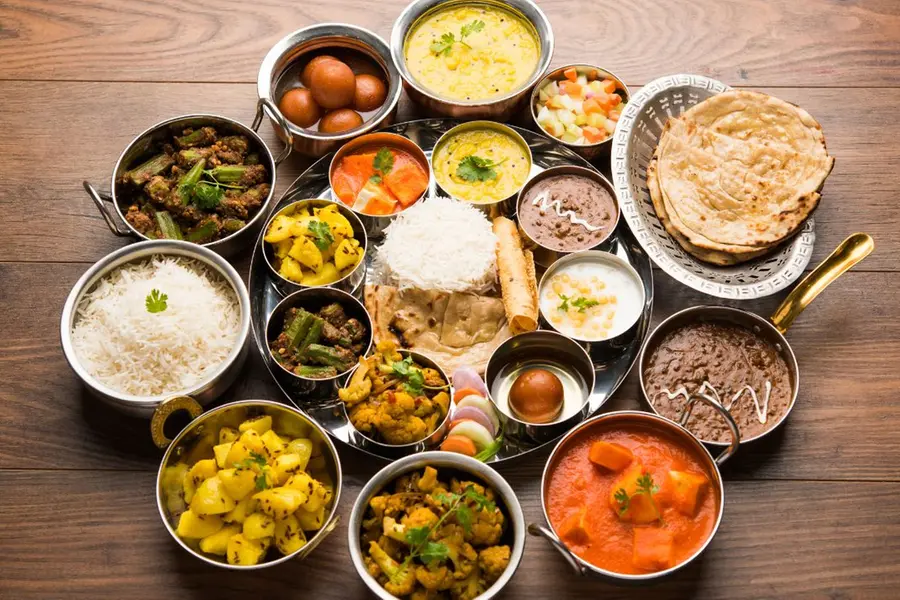
New Delhi: The price of a home-cooked vegetarian thali increased by 11 percent in September compared to the previous year, while the cost of a non-vegetarian thali fell by 2 percent, according to a report released on Friday.
The rise in the price of the vegetarian thali is mainly due to higher vegetable costs, which make up 37 percent of the total thali price. Specifically, prices for onions, potatoes, and tomatoes surged by 53 percent, 50 percent, and 18 percent year-on-year, respectively. The increase for onions and potatoes was attributed to lower supply, while heavy rainfall affected tomato production.
Also Read

“The non-veg thali cost, on the other hand, was weighed down by an on-year decline in the cost of broiler. We expect a moderate correction in onion prices once the kharif supply comes into the market. Potato prices are also expected to decline, though tomato prices may remain elevated amid lean supply,” explained Pushan Sharma, Director-Research, CRISIL Market Intelligence and Analytics.
The cost of pulses, which account for 9 percent of the vegetarian thali, also rose by 14 percent due to a decline in production last year, resulting in lower stock levels for this year.
However, a drop in fuel prices helped to ease some of the pressure on thali costs. The price of a 14.2 kg LPG cylinder in Delhi fell from Rs 903 in September of the previous year to Rs 803 in March of this year, preventing a steeper increase in thali prices.
“For the non-veg thali, an estimated decline of 13 per cent on-year in broiler prices, which account for 50 per cent of the non-veg thali cost, provided some relief,” the report noted. For the non-vegetarian thali, stable prices for broiler chicken, coupled with steady demand, helped keep costs unchanged.
The average thali price is calculated based on input prices from different regions across India, taking into account the costs of cereals, pulses, chicken, vegetables, spices, edible oil, and cooking gas that contribute to price fluctuations.
Agency
Published: 04 Oct 2024, 01:26 pm IST
Related Topics
Disclaimer: Kindly avoid objectionable, derogatory, unlawful and lewd comments, while responding to reports. Such comments are punishable under cyber laws. Please keep away from personal attacks. The opinions expressed here are the personal opinions of readers and not that of Mathrubhumi.