
A celebrity talk has sparked debate on social media about whether emotional or physical infidelity hurts more—and what science and psychologists have to say
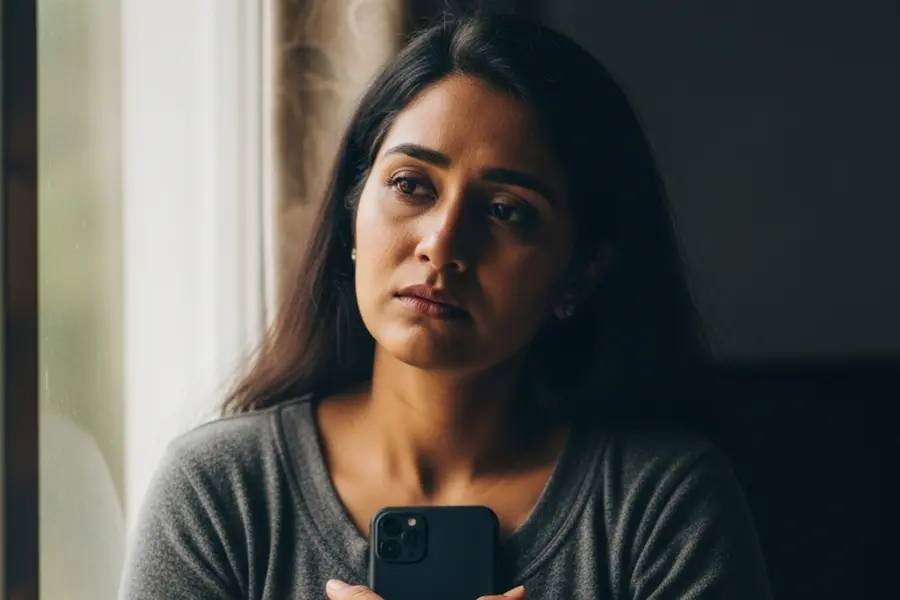
Emotional cheating doesn’t leave a scar on the skin, but experts say its impact can run far deeper—and in the age of constant connectivity, it’s becoming more complex than ever. Around the world, people increasingly question what counts as infidelity: is it physical intimacy or emotional attachment that hurts more? There are no easy answers.
On the talk show Two Much with Kajol and Twinkle, a thought-provoking discussion on fidelity captured public attention. During the episode, Karan Johar, Kajol, and Twinkle Khanna expressed that emotional infidelity can be more damaging than physical cheating, highlighting the subtle ways trust and intimacy are eroded.
Also Read

Janhvi Kapoor, however, emphasised the importance of physical fidelity, viewing it as central to a committed relationship. The contrasting perspectives offered a glimpse into how definitions of love, commitment, and marriage can differ—not necessarily across generations, but across experiences and wisdom. Kapoor’s assertion that emotional betrayal can be a “deal breaker” sparked widespread debate on social media, with memes and celebrity opinions fuelling the conversation about which form of cheating hurts more.
What Is Emotional Cheating — And Why Does It Hurt So Much?
Emotional infidelity involves forming a deep, intimate bond with someone outside your relationship—sharing fears, hopes, and vulnerabilities that are usually reserved for a partner. Unlike a one‑night physical encounter, such connections can develop slowly and quietly, making them harder to define and harder to detect.
Research shows that many people view emotional relationships outside the partnership as a form of betrayal. In one survey, 76% of participants said that a non-sexual but emotionally intimate relationship qualifies as cheating, and this view is even more common among married individuals.
The Psychological Toll of Betrayal
Studies suggest that infidelity—whether emotional or physical—can trigger serious mental health effects. People who perceive they’ve been cheated on report higher levels of anxiety, depression, and even post-traumatic stress symptoms.
Moreover, research into relationship dynamics highlights the role of attachment styles. People with anxious or insecure attachment may be more vulnerable to feeling deeply wounded by betrayal.
Emotional Cheating vs Physical Cheating — What the Science Says
When a partner cheats physically, the violation is clear, concrete, and visible; it’s a boundary crossed in the body. But emotional cheating operates on a subtler plane: it’s the betrayal of one’s inner world, emotional energy, and trust.
Despite being less visible, emotional affairs often leave longer-lasting wounds in the mind. Several counsellors report that emotional infidelity requires more effort to heal because the hurt is woven into daily intimacy, trust, and shared history.
Health Consequences Beyond the Heart
Infidelity’s damage isn’t limited to emotions. A recent study involving thousands of people found that those who’ve been cheated on are more likely to face long-term physical health issues, such as chronic stress-related conditions, migraines, or even diabetes.
There’s also emerging (though still speculative) research on biological impacts: betrayal could affect the immune system, microbiome balance, and even stress hormone regulation—especially in cases of repeated or long-term emotional infidelity.
Why Emotional Cheating May Be More Complicated to Heal
- Slow Erosion: Emotional betrayal often develops gradually. Since it doesn’t always involve a single shocking event, the pain is harder to pinpoint.
- Attachment Injury: Infidelity can be likened to an “attachment injury,” where foundational trust is broken—triggering deep psychological responses.
- Mental Health Effects: Victims often struggle with decreased self-worth, rumination, intrusive thoughts, anxiety, and depressive symptoms that linger long after the affair ends.
- Gendered Reactions: Patterns vary: research suggests men may respond with anger or withdrawal, while women may feel more emotional distress and attempt reconciliation.
Can People Recover — And How?
Healing from infidelity often requires more than just a simple apology. Experts recommend steps like:
- Open Communication: Talking about the betrayal, not just the event, but what it symbolised emotionally.
- Boundary Setting: Redefining and clarifying limits in the relationship to rebuild trust.
- Therapeutic Support: Couples therapy or individual counselling can provide a neutral space to work through deep-seated emotional wounds.
- Self-Compassion: A recent study found that people who practise self-compassion (rather than self-criticism) are more willing to consider forgiveness in the wake of betrayal.
Infidelity isn’t just a moral lapse—it’s a deeply relational wound that reflects unmet emotional needs, attachment issues, and sometimes long-term disconnection. Whether emotional or physical, cheating is a symptom of a deeper rift. Understanding its psychological and scientific dimensions doesn’t excuse the act—but it does offer a roadmap for healing and rebuilding.
(Disclaimer: This article is intended for informational purposes only. It is based on publicly available scientific research and expert commentary. It does not constitute medical, psychological, or legal advice. Readers should consult qualified professionals before making decisions related to mental health, relationships, or well-being. The article does not promote or justify any form of infidelity. Individual experiences and outcomes may vary.)
Published: 18 Nov 2025, 08:43 pm IST
Disclaimer: Kindly avoid objectionable, derogatory, unlawful and lewd comments, while responding to reports. Such comments are punishable under cyber laws. Please keep away from personal attacks. The opinions expressed here are the personal opinions of readers and not that of Mathrubhumi.