

Learn how this pre-dawn practice improves focus, breathing, and emotional balance from a leading expert.
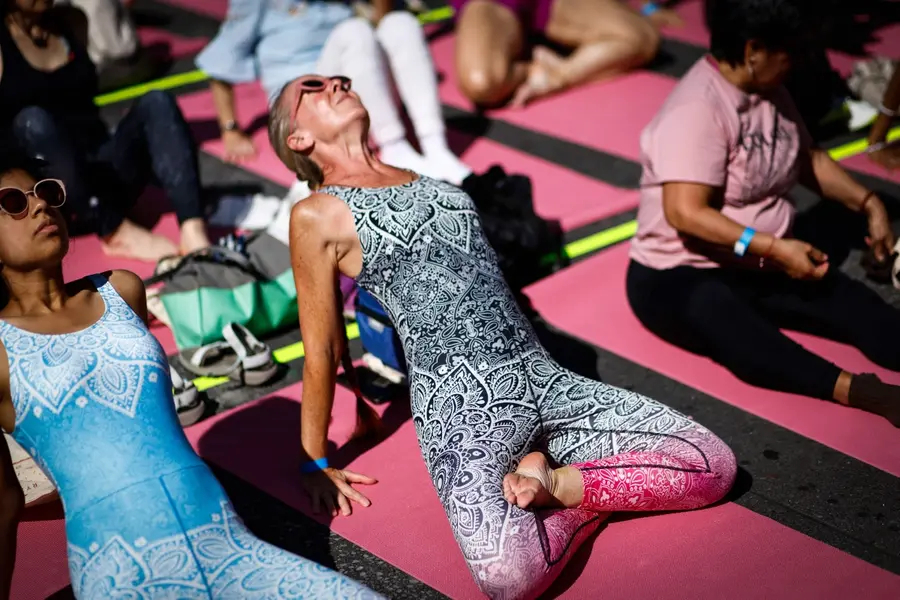
While the world slowly wakes to alarms and screen glow, a quieter ritual has long been practised in the stillness before dawn: yoga during Brahma Muhurta, the hour and a half before sunrise. Traditionally considered a sacred time in yogic philosophy, this is gaining renewed attention for its scientific benefits, from better focus to improved breathing and emotional balance.
A day in the life of a yoga trainer
Dr Rawat starts her day before dawn with cleansing kriyas, followed by pranayama, asanas, and meditation. She also set aside time for meditation and mantra chanting.
In the evening, she prefers a short walk, light stretching, and reading something spiritually uplifting. "I believe wellness is not just about what we do on the mat, but how we live our whole day - with awareness, balance, and gratitude," adds Dr Rawat.
She mentions that practices like Anulom Vilom and Bhramari are particularly useful for respiratory and mental health, especially in a post-pandemic world. “These techniques boost oxygen levels, reduce anxiety, and help regulate the body's immune response,” she notes.
Also Read
Yoga is a therapy
Dr Rawat asked, “These days, people chase after luxury bungalows, expensive cars, and branded items, but are they truly happy?... Inner peace doesn’t come from the outside. It’s something you have to create within.” And that's where Yoga jumps in.
She believes yoga gives us the tools to do that. Through asana, we release physical tension. Through pranayama, we calm the nervous system. And through meditation, we quiet the constant chatter of the mind. But that is not something you can gain instantly; it's a process.
She also stressed how safe yoga is compared with many young people pursuing high-intensity workouts and non-stop productivity. “While intense workouts can be good if done properly, they sometimes push the body into stress mode. If there’s no balance or rest, it can impact the heart. Yoga, on the other hand, works in harmony with the body’s natural rhythms. There are many practices like Shavasana and Yoga Nidra which help to calm the body completely. It strengthens the cardiovascular system gently, improves circulation, lowers blood pressure, and reduces stress, which is a major factor in heart health.”
Even athletes, she says, are practising yoga to recover and maintain focus. “It’s not about doing impossible poses. It’s about finding balance in body, breath, and mind.”
Her message on Yoga Day
As the world celebrates this ancient Indian practice, Dr Rawat believes the best way to honour it is to simply start. "Yoga is a process... not something you get instantly.. but with consistency, yoga brings a deep sense of calm and centeredness. You start responding to life instead of reacting to it. That’s real peace".
Published: 21 Jun 2025, 07:30 am IST
ABOUT THE AUTHOR
Related Topics
Disclaimer: Kindly avoid objectionable, derogatory, unlawful and lewd comments, while responding to reports. Such comments are punishable under cyber laws. Please keep away from personal attacks. The opinions expressed here are the personal opinions of readers and not that of Mathrubhumi.