
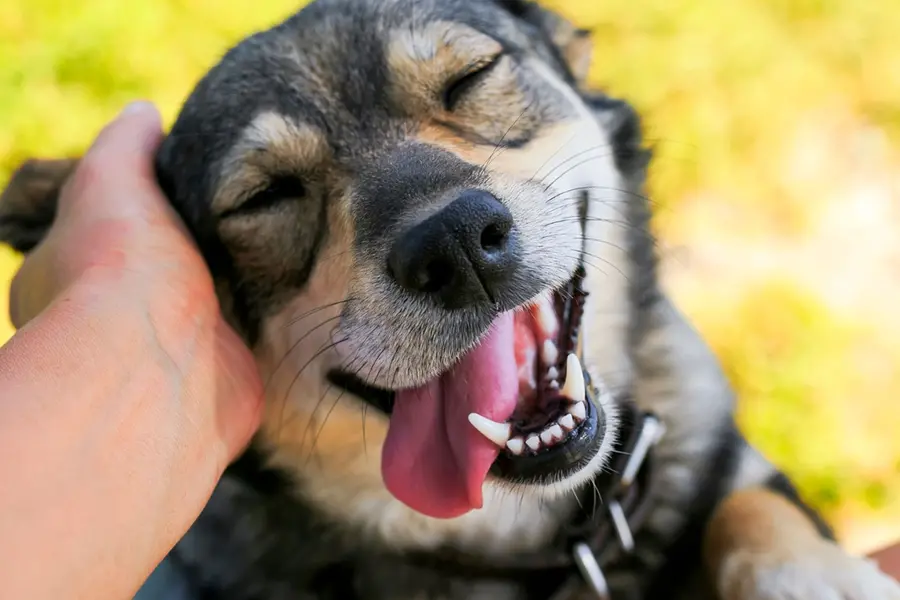
As a soon-to-be dog parent, you are about to embark on a journey filled with slobbery kisses, snuggles, and unconditional love. Bringing a furry friend into your life is a big responsibility, but don't worry—we've got you covered! Discover the essential habits and routines every dog parent should know to raise a happy, well-behaved, and beloved companion.
I. Hygiene and grooming: The foundation of a healthy dog
Also Read

Proper hygiene and grooming are crucial for your dog's overall well-being. Regular cleaning of their eyes, ears, nose, and coat will help prevent infections and keep them feeling fresh.
- Remember to gently wipe around their eyes with a damp cloth.
- Clean their ears every 4 weeks, or more often if they produce excess wax.
- Keep their nose moist with a high-quality balm, provide plenty of water, and ensure the room they are in is humid enough.
- Brush their teeth a couple of times a week to prevent bad breath and tartar buildup. Do not use human toothpaste.
- Trim their coat regularly, cutting in the direction their hair grows.
- Clean and moisturise their paws daily, especially in dry or hot climates.
- Most dogs only need to be bathed once or twice a month. However, for dogs that shed a lot, bathing them once a week will help remove dead hair and pet dander.
- Before trimming your dog's nails, identify where the nail quick starts. If your dog has white nails, the quick will be pink. For dark nails, the quick is less visible. Cut the nail and stop just before the pinkish or blackish spot where the quick begins.
II. Nutrition: Fuelling your dog's body
Dogs have unique dietary needs, and it's essential to understand what human foods are safe and what’s not. Here's a rundown of canine-friendly foods:
Safe to eat: Carrots, apples, white rice, dairy products (in moderation), plain popcorn, bananas, and cucumbers.
Avoid: Avocado, cherries, chocolate, coffee, caffeine, raw or undercooked meat, bread dough, and alcohol.
III. Exercise and play: The key to a happy dog
Regular exercise and playtime are vital for your dog's physical and mental health.
- Engage in activities like jogging, hiking, swimming, and dog yoga.
- Consider their breed and lifestyle when planning exercise routines.
- Aim for at least 30 minutes of exercise daily.
- Small breeds typically need less exercise than larger breeds and are best suited to shorter bursts of activity throughout the day.
IV. Vaccination and health checks: Protecting your dog's health
- Stay on top of vaccinations and health checks to prevent infectious diseases and detect potential health issues early. Remember:
- Core vaccinations for puppies include rabies, parvovirus, hepatitis, parainfluenza, and distemper.
- Deworming schedules vary by age and breed.
- Regular health checks will help prevent the spread of diseases and ensure a long, healthy life for your dog.
Adopting a dog is a major decision that requires careful consideration, planning, and preparation. By embracing these essential habits and routines, you’ll be well on your way to creating a happy, healthy, and well-adjusted furry friend. Remember, dog parenthood is a long-term commitment, and with the right mindset, it can be an incredibly rewarding experience. So, take your time, do your research, and prepare to embrace a new furry friend into your life. Welcome to the pack!
Compiled by Chanchal Jose
Published: 13 Aug 2024, 11:51 am IST
Related Topics
Disclaimer: Kindly avoid objectionable, derogatory, unlawful and lewd comments, while responding to reports. Such comments are punishable under cyber laws. Please keep away from personal attacks. The opinions expressed here are the personal opinions of readers and not that of Mathrubhumi.