
This fall, all of Apple’s major operating systems will carry the version number 26, indicating they are built to carry users through 2026
Cupertino: At its Worldwide Developers Conference (WWDC) 2025, Apple announced a sweeping range of software updates and design changes, with iOS 26 leading the charge. With a new unified naming system and significant enhancements across iPhone, iPad, Mac, Watch, and more, the event marked one of the most transformative software moments for the company in recent years.
The highlight was the official unveiling of iOS 26, marking a shift to a unified versioning system across all Apple platforms. From this year, iPhones will run iOS 26, Apple Watches will be on WatchOS 26, and so on — simplifying updates based on the calendar year. This change aligns with Apple’s goal of creating a cohesive, consistent user experience across its ecosystem.
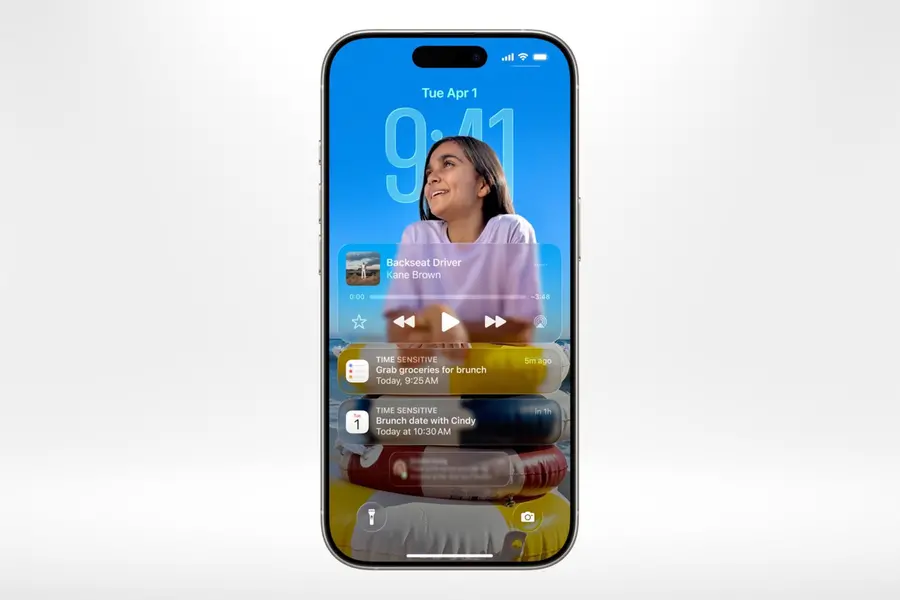
Visually, iOS 26 ushers in the company’s “broadest design update ever” with the introduction of the new Liquid Glass aesthetic — a sleek, translucent interface that reacts to touch and motion. Inspired by visionOS, it brings dynamic resizing of elements and modernized control groupings to maximize space and usability. The changes extend across the lock screen, home screen, and all major apps, including Safari, FaceTime, and CarPlay. CarPlay now also supports Live Activities for real-time updates within the car interface.
The Camera app gets a refined look with streamlined controls accessible via a simple swipe gesture, while the Photos app introduces new tabbed navigation and subtle 3D effects. Meanwhile, the Phone app integrates AI-powered voicemail summaries, Call Screening to identify unknown callers in real time, and a new Hold Assist feature that monitors hold music and alerts users when a human voice returns to the call.
In Messages, Apple adds customizable chat backgrounds and polls for group decision-making. The app now supports cash transfers within group chats and sorts messages from unknown senders into a separate section for better organisation. A standout addition is Genmoji, a feature that lets users create expressive, combinable emojis. Apple’s Image Playground, the AI art generation tool, gets new visual styles and now integrates more deeply with ChatGPT, while developers will be able to bring the feature into their own apps using a dedicated API.
Live translation, powered by Apple Intelligence, was another big reveal. It will now work seamlessly in phone calls, FaceTime sessions, and third-party apps, making real-time multilingual communication easier than ever before.
Apple Music saw notable updates, too. A new lyrics translation feature helps users understand foreign-language songs. AutoMix allows for smooth transitions between tracks, and a new Music Pin option lets users highlight favourite artists, albums, or songs at the top of their libraries.
Perhaps the most important developer announcement was Apple opening access to its Foundation Models framework — the large language models that power Apple Intelligence. This means third-party developers can now embed these models into their apps. For example, Kahoot can generate quizzes based on users’ notes, and AllTrails can suggest hiking routes based on personal preferences.
Published: 09 Jun 2025, 11:05 pm IST
Related Topics
Disclaimer: Kindly avoid objectionable, derogatory, unlawful and lewd comments, while responding to reports. Such comments are punishable under cyber laws. Please keep away from personal attacks. The opinions expressed here are the personal opinions of readers and not that of Mathrubhumi.
