
LG has denied claims that its smart TVs continuously record conversations, following a Gamers Nexus video that raised concerns over voice data, network information and privacy.
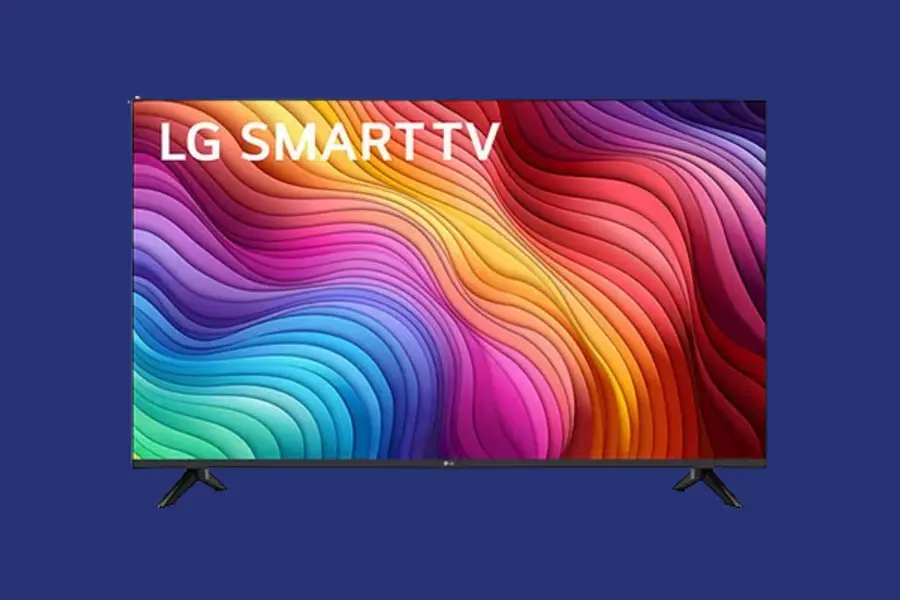
LG has issued a statement rejecting claims that its smart TVs continuously record users’ conversations or transmit such audio, following a video by YouTube channel Gamers Nexus that raised questions about the devices’ privacy practices.
The South Korean electronics giant said its smart TVs do not “continuously record or transmit” users’ conversations and clarified how voice-recognition and other data-related features work on its televisions.
The statement, published on LG’s website on Sept. 12, said speech-to-text processing begins only when a user activates voice interaction through a supported wake-word feature or presses the voice or AI button on the remote.
According to LG, audio used to detect the wake word is processed locally on the television. If the wake word is not detected, the audio is not converted into text, stored or transmitted.
“Voice-recognition results and related technical logs may be generated as part of processing a voice command,” the company said.
LG added that such records are linked to “specific voice interactions” and do not indicate continuous recording of conversations “occurring outside an active voice recognition session”.
The company also said speech-recognition results may be used to support voice-related functions but are not uploaded later if the television is offline or when connectivity is restored.
What LG says about smart TV data collection
LG said features such as Automatic Content Recognition (ACR), voice recognition and interest-based advertising are optional and are not enabled by default. Users can activate these functions and manage or withdraw their consent through the television's settings.
According to the company, ACR uses audio fingerprinting technology through the TV's internal audio processor “(not a speaker)” to identify content.
LG said ACR does not collect screenshots, screen recordings, video recordings, voice recordings or other audio recordings from the television.
Where ACR is available and enabled, information generated through the feature may be used for audience segmentation as well as viewing or audience trend analysis, the company said.
LG added that interest-based advertising and cross-device advertising require separate user consent through the relevant advertising agreements.
What triggered the controversy?
LG's statement follows a video published by Gamers Nexus titled 216,000,000 Spy TVs, The LG Smart TV Problem. The YouTube channel claimed to have demonstrated that LG smart TVs were recording conversations even when the devices were in standby mode.
The video also alleged that the televisions were collecting information related to networked devices, IP addresses, locations and nearby Wi-Fi networks, and transmitting that information rather than storing it locally.
LG has disputed the central claim that its televisions continuously record conversations and has provided its explanation of how voice recognition, ACR and related privacy controls operate.
The controversy comes after separate reports involving LG monitors, which were accused of downloading an LG Monitor app installer onto Windows PCs without users' permission.
In its statement, LG said, “Protecting user privacy is a fundamental principle in the design and operation of LG products and services.”
The company said it was providing additional information on how its smart TV features work, how data may be processed and what choices are available to users as it continues efforts to strengthen privacy, transparency and security.
Published: 15 Sept 2026, 04:45 pm IST
ABOUT THE AUTHOR

Disclaimer: Kindly avoid objectionable, derogatory, unlawful and lewd comments, while responding to reports. Such comments are punishable under cyber laws. Please keep away from personal attacks. The opinions expressed here are the personal opinions of readers and not that of Mathrubhumi.