
FCAS, Europe's ambitious next-gen fighter jet program with France, Germany, and Spain, teeters on collapse amid Dassault-Airbus power struggles. Germany eyes GCAP defection as threats rise
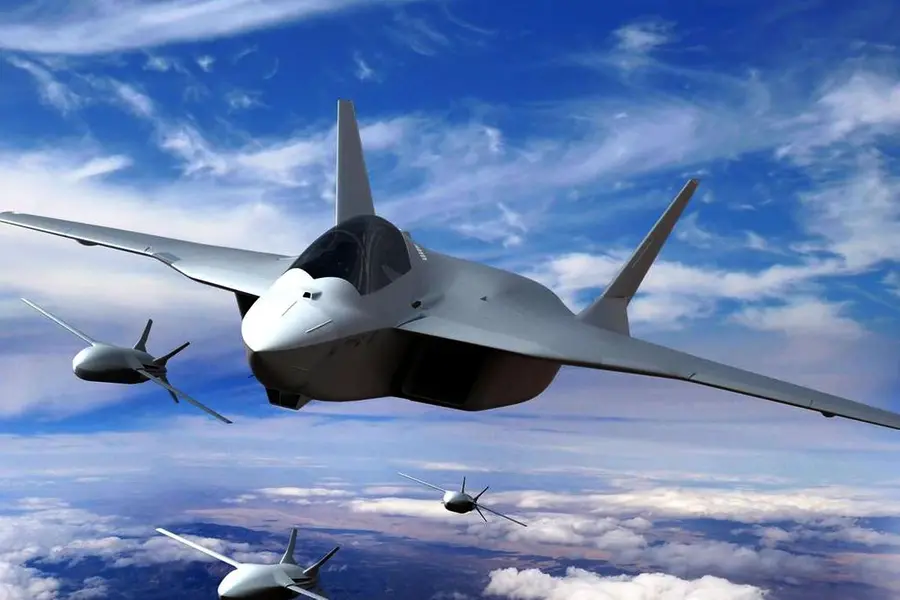
Picture this: Three powerful European nations -- France, Germany, and Spain -- came together in 2017 with a big ambitious dream. They wanted to build the world's most advanced fighter jet together, a next-generation aircraft that would make them militarily strong.
French President Emmanuel Macron and then German Chancellor Angela Merkel shook hands and promised the world that this project would be a game-changer. Today, nearly a decade later, that dream is dying a slow and painful death, and it is becoming a political nightmare for all involved.
Let me explain what this FCAS thing actually is, because it is a technical term that confuses most people.
FCAS stands for Future Combat Air System. Think of it as a complete military package, not just one aircraft. It includes a next-generation fighter jet that would be piloted by real human pilots in the cockpit, multiple unmanned drones that would fly without pilots, and a digital network that connects all these weapons together in real-time.
This digital network is called the "combat cloud" -- imagine a smart brain that helps all the military aircraft talk to each other and coordinate attacks instantly. It is like WhatsApp for fighter jets. This entire system was supposed to replace older weapons and keep Europe strong against future threats.
Think of it like this: Three rich families decided to start a business together. They invested huge amounts of money, made big promises, and told everyone they would create something magnificent. But inside, they could not agree on who would be the boss, who would control what, and how to divide the profits. One company wanted more power, another wanted more say, and before you know it, the whole thing is falling apart.
That is exactly what is happening with this FCAS program, and according to recent investigations by POLITICO, a major international news organization that covers politics and government, four senior officials from Paris and Berlin have revealed that the project is on life support and frankly, everyone knows it is not going to survive.
The real problem here is not the lack of money or technology. The real problem is something that plagues many of us in our daily lives too: the inability to work with others and compromise.
Two big defense companies, Dassault from France and Airbus from Germany and Spain, are locked in a bitter fight. Both want to control the most important piece of the puzzle -- the next-generation fighter jet that would be piloted by humans. They are fighting like two business partners who no longer trust each other. They were supposed to agree by December 17 last year. They missed that deadline. They still have not found any solution.
What makes this even more painful is the political embarrassment. French President Emmanuel Macron personally championed this FCAS project. He put his reputation on the line. Now, if it fails completely, it will be seen as his personal defeat.
One senior lawmaker involved in French defense policy was quoted as saying, "FCAS is finished - everyone knows it, but no one wants to openly admit it." This is the reality of European politics right now. Everyone knows the truth, but no one wants to be the first to say it out loud.
Adding fuel to the fire, Germany is now secretly exploring jumping ship. German Chancellor Friedrich Merz is quietly looking at other options. Why? Because Germany is frustrated with France's approach and the never-ending disputes.
Merz is even considering joining a rival fighter jet program called GCAP. Let me explain this too. GCAP stands for Global Combat Air Programme. This is a competing project led by three different countries: Italy, the United Kingdom, and Japan. It is basically the same idea as FCAS -- building advanced fighter jets and related systems -- but it is a completely different team with different partners.
According to POLITICO's reporting, Germany has been secretly exploring what it would be like to abandon the FCAS project and join this rival GCAP program instead.
But here is the bigger picture that affects all of us. Europe is now surrounded by growing threats. Russia is becoming more aggressive, and the United States -- Europe's old protector -- is stepping back. Europe urgently needs to strengthen its military and build advanced weapons. But instead of nations coming together and pooling their resources wisely, they are fighting like children over toy blocks. This shows how difficult it is for European nations to work together, even when their security depends on it.
The French government is still putting on a brave face. Patrick Pailloux, the new head of France's defense procurement agency, publicly said they are doing everything possible to save the program. But behind closed doors, officials are already preparing for the worst. Will it matter? Probably not.
Here is my honest opinion: this FCAS project is already dead. The question now is not whether it will survive, but how the three nations will manage the fallout and save face gracefully.
Published: 12 Feb 2026, 09:39 am IST
Related Topics
Disclaimer: Kindly avoid objectionable, derogatory, unlawful and lewd comments, while responding to reports. Such comments are punishable under cyber laws. Please keep away from personal attacks. The opinions expressed here are the personal opinions of readers and not that of Mathrubhumi.
