
If the proposed order for 114 additional Rafales is finalised, the country's total Rafale inventory will increase to 176 aircraft.
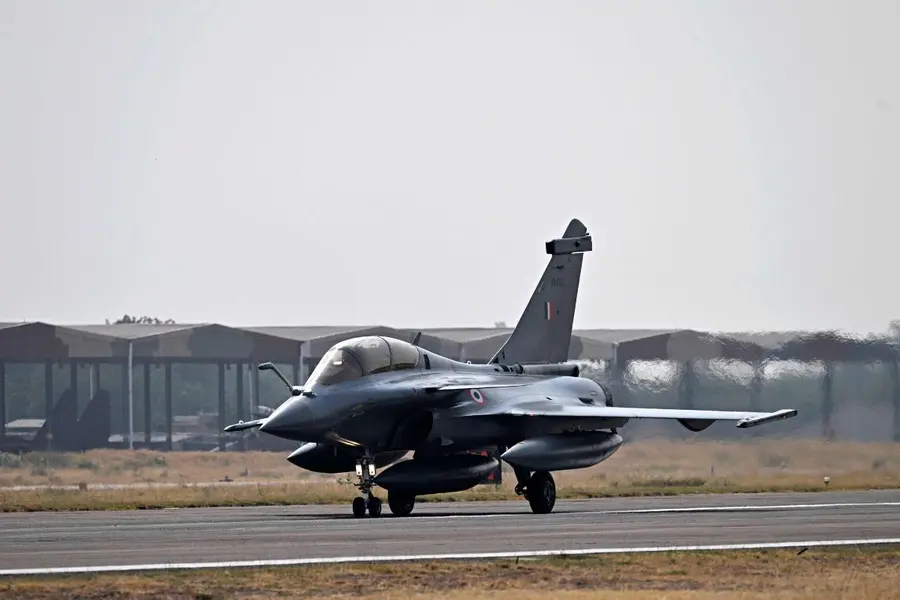
France has sought additional time until mid-August to respond to India's Letter of Request (LoR) for the proposed acquisition of 114 Rafale fighter aircraft, marking the next step in one of the country's biggest defence procurement programmes. According to defence officials, India had sent the LoR to the French government in May under a government-to-government framework, and formal negotiations on pricing, technology transfer and other contractual details are expected to begin once France submits its response.
The proposed deal is expected to significantly strengthen the Indian Air Force (IAF), which has been grappling with a declining number of fighter squadrons due to the retirement of ageing aircraft and delays in the induction of new indigenous platforms. If approved, the acquisition will become one of India's largest fighter aircraft programmes and further deepen defence ties between New Delhi and Paris.
Boost for 'Make in India'
One of the key highlights of the proposal is its strong focus on domestic manufacturing. Under the current plan, 94 of the 114 Rafale fighter jets will be manufactured in India by French aerospace company Dassault Aviation in partnership with an Indian company.
The arrangement is expected to boost India's aerospace manufacturing ecosystem by creating jobs, strengthening local supply chains and expanding the country's defence industrial base. It also aligns with the Government's 'Make in India' and Aatmanirbhar Bharat initiatives, which aim to reduce dependence on imported defence equipment while building indigenous manufacturing capabilities.
Apart from assembling aircraft, the programme is expected to generate opportunities for Indian companies involved in components, structures, avionics, engineering services and long-term maintenance support.
Does the IAF need more Rafales?
The Indian Air Force currently faces a shortage of fighter aircraft. While the sanctioned strength is 42 fighter squadrons, the operational strength has fallen to around 30–31 squadrons because several ageing aircraft, particularly variants of the Russian-origin MiG fighters, are being phased out after decades of service.
At the same time, newer indigenous aircraft programmes such as the LCA Tejas Mk1A and the future LCA Mk2 have experienced delays, creating a capability gap that the Air Force is keen to address.
The Rafale is considered one of the world's most capable multi-role fighter aircraft. Equipped with advanced radar systems, electronic warfare capabilities and long-range precision weapons, it can undertake air superiority, ground attack, reconnaissance and maritime strike missions. Defence experts believe that adding more Rafales would significantly enhance the IAF's operational readiness while improving its ability to respond to evolving regional security challenges.
India's Rafale fleet could cross 200
India has already inducted 36 Rafale fighter jets for the Indian Air Force, which are currently based at Ambala and Hasimara air bases. Earlier this year, the government also approved the purchase of 26 Rafale Marine aircraft for the Indian Navy to operate from the aircraft carrier INS Vikrant.
Together, these orders bring India's confirmed Rafale fleet to 62 aircraft.
If the proposed order for 114 additional Rafales is finalised, the country's total Rafale inventory will increase to 176 aircraft. In addition, the Indian Navy has expressed interest in acquiring 31 more Rafale Marine fighters in the future, which could take India's overall Rafale fleet to more than 200 aircraft.
Negotiations after French response
According to defence officials, France's response to the Letter of Request will pave the way for detailed negotiations between the two governments. These discussions are expected to cover pricing, production schedules, localisation, technology transfer, training, logistics support and lifecycle maintenance.
The proposal has already received approval from the Defence Acquisition Council (DAC), reflecting the government's priority to strengthen the Indian Air Force's combat capabilities. The Defence Ministry has also undertaken a comprehensive review of the Air Force's future requirements as part of its broader military modernisation plans.
The deal …
Beyond adding new fighter aircraft, the proposed Rafale programme represents a long-term investment in India's defence preparedness and aerospace industry.
The deal is expected to help bridge the gap created by retiring fighter aircraft while supporting domestic manufacturing and creating opportunities for Indian companies across the defence supply chain. It also has the potential to strengthen India's capability in aircraft production, maintenance, repair and overhaul (MRO), engineering and advanced aerospace technologies.
At a time when regional security dynamics continue to evolve, expanding the Rafale fleet would provide the Indian Air Force with greater operational flexibility and modern combat capability. Equally important, local production of most of the aircraft would represent another significant step towards building a stronger and more self-reliant defence manufacturing ecosystem in India.
Published: 27 Jul 2026, 06:36 pm IST
ABOUT THE AUTHOR

Related Topics
Disclaimer: Kindly avoid objectionable, derogatory, unlawful and lewd comments, while responding to reports. Such comments are punishable under cyber laws. Please keep away from personal attacks. The opinions expressed here are the personal opinions of readers and not that of Mathrubhumi.