
Global aviation faces fuel supply risks due to Middle East tensions. Learn how Jet A and Jet A-1 flexibility helps airlines maintain operations. Read more now.
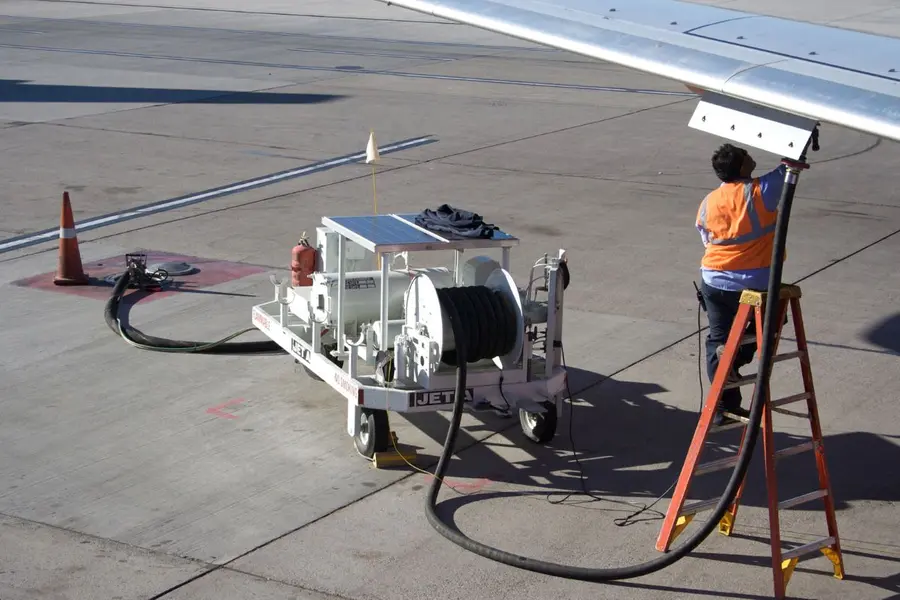
Rising Middle East tensions are forcing the aviation industry to rethink fuel flexibility and long-term supply resilience The ongoing conflict in the Middle East is beginning to create fresh concerns for the global aviation industry, not just about airspace closures and rising ticket prices, but also about something far more critical, the supply of aircraft fuel.
As geopolitical tensions continue to disrupt energy markets, airlines and aviation regulators are now looking at ways to make better use of available aviation fuel supplies and reduce the risk of future shortages. One possible solution attracting growing attention is the increased use of Jet A fuel in markets that traditionally rely almost entirely on Jet A-1.
According to International Air Transport Association (IATA), greater fuel flexibility could help airlines maintain operations and avoid major disruptions if global aviation fuel supply pressures worsen in the coming months.
Understanding the Difference Between Jet A and Jet A-1
Most passengers rarely think about the fuel powering an aircraft, but fuel type plays a major role in aviation operations. Commercial aviation mainly uses two types of jet fuel:
• Jet A-1, which is the international standard used across most parts of the world.
• Jet A, which is mainly used in North America.
Both fuels are approved for commercial aviation use and are considered safe when handled correctly. However, there is one important technical difference between them, the freezing point.
Jet A-1 has a lower freezing point of minus 47°C, while Jet A freezes at minus 40°C.
This difference becomes important during long-haul flights or operations over extremely cold regions such as polar routes, where outside temperatures at cruising altitude can fall below minus 50°C.
Because of its lower freezing point, Jet A-1 is generally preferred for international operations and has become the dominant aviation turbine fuel (ATF) used worldwide.
Why the industry talking about ‘Jet A’
The renewed focus on Jet A comes directly from growing concerns about fuel supply disruptions caused by the Middle East conflict.
A large portion of global Jet A-1 production and supply is linked to Gulf-region refining and distribution networks. If the conflict continues or escalates further, aviation fuel availability in some regions, especially Europe and Asia could come under pressure.
This is where Jet A could help.
Unlike Jet A-1, Jet A is produced in larger quantities outside the Gulf region, particularly in North America. Aviation industry experts believe that allowing greater operational flexibility between the two fuel grades could help airlines access a broader fuel supply base during times of disruption.
Rather than creating new fuel supply, the strategy would allow airlines to make better use of existing fuel resources already available globally.
IATA and EASA issue guidance
To support this flexibility, both the International Air Transport Association (IATA) and the European Union Aviation Safety Agency (EASA) have issued guidance explaining how Jet A can be safely introduced into markets that normally operate using Jet A-1. The move is aimed at helping airlines continue operations smoothly even if Jet A-1 supplies become tighter.
The guidance explains the operational adjustments airlines, airports and fuel suppliers would need to make during a controlled transition between fuel types.
Industry officials say this is not an entirely new concept. Airlines in North America have been using Jet A safely for decades, including in extremely cold operating environments such as Alaska and northern Canada.
For example, airlines operating in places like Fairbanks, Alaska routinely deal with temperatures as low as minus 30°C on the ground and even colder conditions during flight.
To manage these risks, airlines rely on careful flight planning, operational procedures, fuel monitoring and, in some cases, special additives that improve low-temperature fuel performance.
How will airlines adapt?
If Jet A is introduced more widely into Jet A-1 systems, airlines would need to make certain operational adjustments. Flight planning would become even more important, especially for routes flying through colder airspace.
Pilots and operational control centres would need to closely monitor fuel temperatures throughout the flight to ensure aircraft remain within certified operating limits.
Fuel suppliers and airports would also need to implement management processes to safely handle the introduction of a different fuel grade.
This could include updated fuel handling procedures, clear labelling of fuel, clear channel of communication between fuel suppliers and airlines, along with additional quality control checks. Industry experts say none of these changes are technically difficult, but they do require coordination across the aviation fuel supply chain.
Could ‘Jet A’ become a long-term solution?
At present, aviation experts do not see Jet A replacing Jet A-1 globally. Instead, it is being viewed as a practical flexibility tool during periods of supply stress. The biggest advantage is resilience.
If airlines are able to use both approved fuel grades more easily, they gain greater access to available fuel supplies during disruptions caused by geopolitical events, refinery outages or transportation bottlenecks.
This flexibility could become increasingly important as the aviation industry faces growing uncertainty from global conflicts, supply chain instability and energy market volatility.
Industry observers also note that aviation fuel remains one of the largest operating expenses for airlines, accounting for nearly 30-40 per cent of total airline costs. Any disruption in fuel availability can therefore quickly affect airline schedules, profitability and ticket pricing.
Fuel security
The discussion around Jet A and Jet A-1 also highlights a larger issue facing global aviation, fuel security. As airlines continue rebuilding after years of pandemic disruption, the industry is once again facing external shocks ranging from geopolitical conflicts to rising oil prices and supply chain challenges.
For airlines, ensuring access to stable fuel supply is now becoming just as important as fleet expansion or passenger growth.
The industry’s current push toward greater fuel flexibility reflects a broader effort to make aviation systems more adaptable during times of crisis.
A temporary but critical adjustment
While passengers may never notice whether an aircraft is powered by Jet A or Jet A-1, the ability to switch between approved fuel types could play an important role in helping airlines maintain operations during a period of global uncertainty.
For now, aviation regulators and airlines appear focused on one clear objective, keeping aircraft flying safely while ensuring fuel supply disruptions do not trigger wider operational chaos.
In today’s fragile geopolitical environment, even small operational flexibilities could make a major difference to the stability of the global aviation industry.
Published: 27 May 2026, 04:15 pm IST
Related Topics
Disclaimer: Kindly avoid objectionable, derogatory, unlawful and lewd comments, while responding to reports. Such comments are punishable under cyber laws. Please keep away from personal attacks. The opinions expressed here are the personal opinions of readers and not that of Mathrubhumi.
