
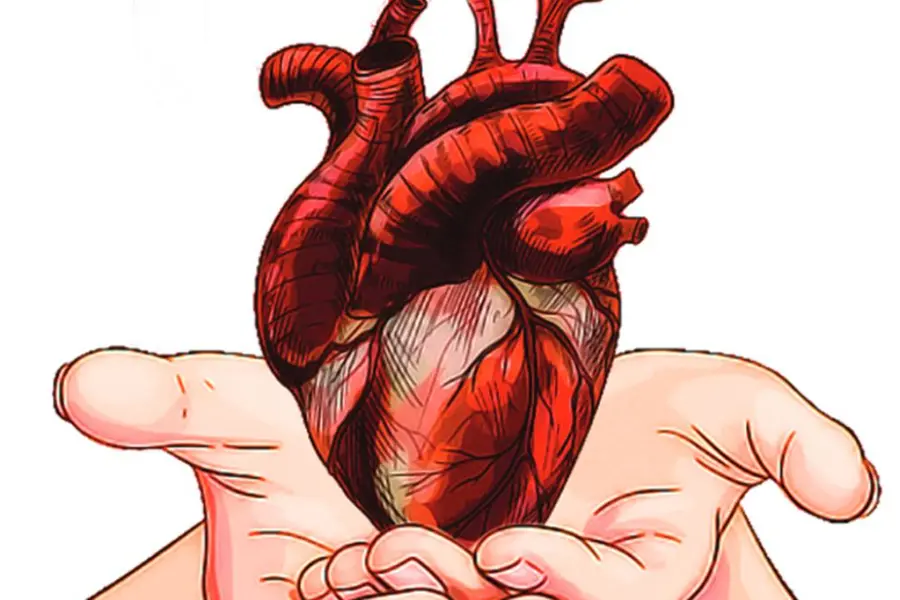
As the life expectancy of our population increases, there is also an increase in age related degenerative disease. In the heart, the common degenerative diseases are aortic stenosis and mitral valve disease. In aortic stenosis, there is calcium deposition and thickening of aortic valve leaflets, which result in reduced opening of the valve. This leads to obstruction to blood flowing out from the ventricle. Severe aortic stenosis is a life-threatening disease, requiring valve replacement. Many a times the elderly have many other diseases and open-heart surgery carries high risk of complications. In the past, many of these patients were never operated with bad outcome. TAVI is the ideal solution in these patients, which is a simple procedure and similar to angioplasty.
First TAVI was done in the year 2002 in France and each year approximately 1,00,000 TAVI procedure happens worldwide. In the West, almost all patients with severe aortic stenosis above the age of 75 years undergo TAVI. Open-heart surgery is rarely done in these patients.
Valve used in TAVI is similar to that used in open-heart surgery. It has a frame made of metal alloy and the valve leaflets made of bovine or porcine (pig) tissue. The valve frame can be collapsed and re-expanded as required.
TAVI is done through the artery of the groin. First, the diseased and obstructing valve will be expanded with a balloon. The new valve in the collapsed state will be introduced through the artery of the groin. Th approximate size of the collapsed valve is 6-8 mm. It will be brought to the location of the diseased valve and will be expanded and fixed using a balloon or the self-expanding technology. TAVI is done under sedation. Prolonged anesthesia and ventilation are not required in TAVI. There is no scar ,hence the risk of wound infection is not there. There is very little bleeding and blood transfusion is rarely required. The procedure takes about 1 hour only and the patient will be ambulated the same day and can go home on the second or third day. After the procedure patient will have to take blood thinners.
Last 20 years data on TAVI showed that the TAVI valves are highly durable (10-15years), similar to or better than surgically implanted valves. The size of the implanted valve is slightly larger in TAVI; Hence the results are slightly better too. Hence many young patients also prefer to undergo TAVI these days.
Advantages of TAVI
- No incision, no scar
- Quick procedure which can be done under sedation
- Less risk of bleeding and infection
- Quick recovery and less hospital stay
- Can be done safely in very sick patients and in those with multiple co-morbidities
(The author is a Senior Consultant at the Department of Cardiology, KIMSHEALTH)
Published: 29 Sept 2023, 08:01 am IST
Related Topics
Disclaimer: Kindly avoid objectionable, derogatory, unlawful and lewd comments, while responding to reports. Such comments are punishable under cyber laws. Please keep away from personal attacks. The opinions expressed here are the personal opinions of readers and not that of Mathrubhumi.
