
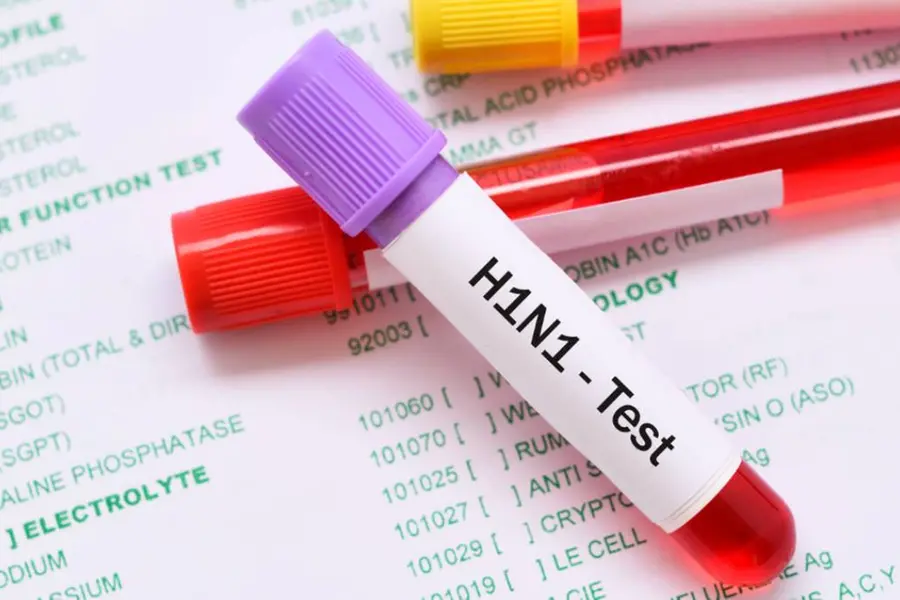
Kothamangalam: Three individuals in Kothamangalam have been diagnosed with H1N1 fever, marking the first reported cases of this flu in the area. Among the infected are two bank employees and one of their wives. The initial screening tests returned positive for all three individuals. Confirmation of the infection will require ELISA tests, for which their samples have been collected.
The infected individuals have been instructed to isolate themselves at home. Additionally, two more people on their contact list exhibited symptoms and tested positive for H1N1. As a precaution, eight bank employees have taken leave and are currently under observation. The bank, which employs a total of 16 staff members, has restricted operations to essential services only and imposed limitations on customer access.
Also Read

Health department officials have assured the public that there is no cause for alarm.
In Karumallur, five individuals were confirmed to have H1N1 the previous day. This follows the tragic death of a four-year-old boy in Alangad, a neighbouring area, due to H1N1 fever. Of the five confirmed cases, four are hospitalised while one is receiving treatment at home.
Both Karumallur and Alangad panchayats have issued warnings in response to the H1N1 outbreak. Masks have been made mandatory in public spaces in Karumallur. The health department is actively raising public awareness and conducting regular inspections. Public institutions are required to ensure the availability of preventive materials, including sanitiser.
What is H1N1?
H1N1 is a type of influenza virus that spreads through the air. Its symptoms are akin to those of the common flu but can be more severe. Symptoms include a high fever (often exceeding 100 degrees), cough, sore throat, shortness of breath, coughing up blood, body aches and vomiting. Around 10 percent of infected individuals may develop severe symptoms, such as an abnormal fever and difficulty breathing. However, most people experience mild symptoms. Effective treatments are available.
Preventive measures
- Cover your mouth and nose with a tissue when sneezing or coughing.
- Patients should take complete rest.
- Those with a fever should avoid crowded places and remain at home.
- Regular hand washing with soap can reduce infection risk.
- People with diabetes, heart disease, high blood pressure, liver and kidney diseases, pregnant women, and those with low immunity should exercise special caution.
- Follow prescribed medication regimens strictly.
- Avoid public places and travel until the fever subsides.
The disease can spread when the patient coughs and sneezes so be very careful. Avoid travelling and going to public places until the fever clears.
Medicines
Oseltamivir is the primary medication prescribed for H1N1. It targets the virus and is also given to those who have been in contact with infected individuals to boost their immunity. The treatment course typically lasts 5 days, while preventive treatment lasts 10 days. Always use this medication as directed by a doctor.
Recommendations for households
- Seek medical attention immediately if symptoms appear.
- Remain at home until symptoms subside; avoid travel.
- Minimise contact with others as much as possible.
- Wash hands thoroughly after any contact with the patient.
- Avoid travelling to infected areas and visiting infected individuals.
- Cover your mouth and nose when coughing or sneezing.
- Follow health department guidelines and advice from health workers.
- In case of severe symptoms, hospitalise the patient immediately.
- Pay special attention to high-risk individuals.
Recommendations for schools
- Limit school assemblies during outbreaks.
- Teachers should monitor students for symptoms.
- Symptomatic teachers or staff should stay at home.
- Encourage frequent hand washing among students.
- Teach students to cover their mouths and noses when coughing or sneezing.
- Display posters with dos and don’ts and distribute informational leaflets to students.
Published: 26 Jul 2024, 01:12 pm IST
Disclaimer: Kindly avoid objectionable, derogatory, unlawful and lewd comments, while responding to reports. Such comments are punishable under cyber laws. Please keep away from personal attacks. The opinions expressed here are the personal opinions of readers and not that of Mathrubhumi.